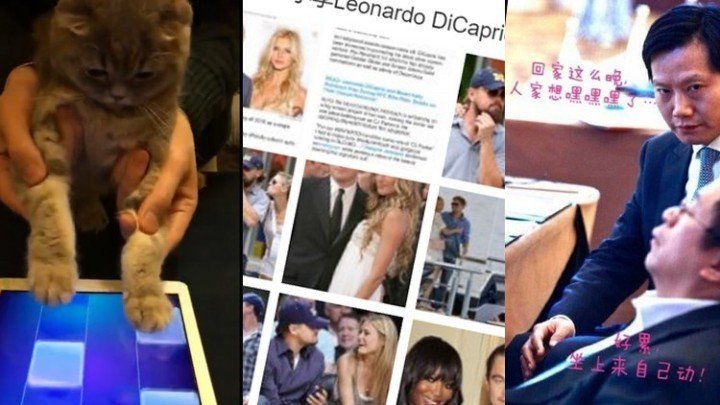
Let’s say you’re an active user of Weibo, the Chinese social network that has quite a bit in common with Twitter or Reddit. You post some funny comments or links, and get a fair number of followers. If you post enough goofy memes or snarky swipes online, it may only be a matter of time before you get the opportunity to do so as a fulltime job.
Chinese Weibo personalities aren’t exactly bloggers in the traditional sense. They are a bit closer to Youtube personalities, even though most use text and photos, not video. It’s their general demeanor and funny comments – not their deep insights or particular expertise – that help them garner a following. They are meme-posting, trend-starting machines, some of whom have audiences into the tens of millions. And businesses have started to take notice.
The common thread among China’s viral web stars is a sense of humor and a love of wordplay.
Known as “duan zi shou” in Chinese (段子手, roughly meaning “joke writers”), these social media personalities are increasingly looking to the world of advertising and public relations to turn their hobby into some serious cash.
From puns to PR
These web stars are nothing new to the Chinese internet. Even in the days of text-only forums, Chinese users flocked to the internet to read humorous hot takes. When Weibo was launched in 2009, there was a mass migration over to this hot new social site.
And while Weibo has since seen a dip in popularity due to the rise of WeChat, the duan zi shou culture is still going strong.
These Weibo personalities cover a wide variety of topics; the only common thread between many of the accounts is a sense of humor and a love of wordplay. One web star translates American memes and celebrity gossip news, often with a fair bit of snarky commentary. Another pretends to be living in New York, sending comments from afar (his/her username is literally “Pretending to be in New York” ). One particularly popular jokester posts photos and videos of his pets, ranging from their playing musical instruments to some absolutely bizarre collages.
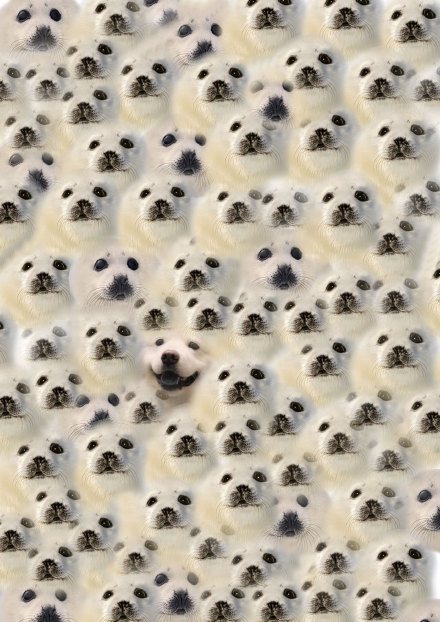
This dog collage by @回忆专用小马甲 has more than 24,000 likes
Nearly all of these users are anonymous, going only by their usernames. In this respect, they’re unlike Youtube stars and more like popular Redditors or Twitter personalities – it’s possible to have an insane number of followers and showcase your personality and talents, but not make it too personal. A good number of the accounts are a bit edgy for China – in the “poke fun at popular figures” sense – but typically stay away from politics, which could lead to censorship or repercussions from the Chinese government.
As the phenomenon has grown in China, particularly witty tweeters have attracted huge audiences. If you have thirty million people interested in what you have to say, then – anonymous or not – you’re something of a celebrity. And what’s one way that celebrities make money? Product endorsements.
Over the past two years, many of China’s most popular Weibo stars have either joined with each other or signed up with agencies to cash in on their massive follower bases. One organization that has been particularly interested in bringing these people into the business fold is communications giant Ogilvy & Mather.
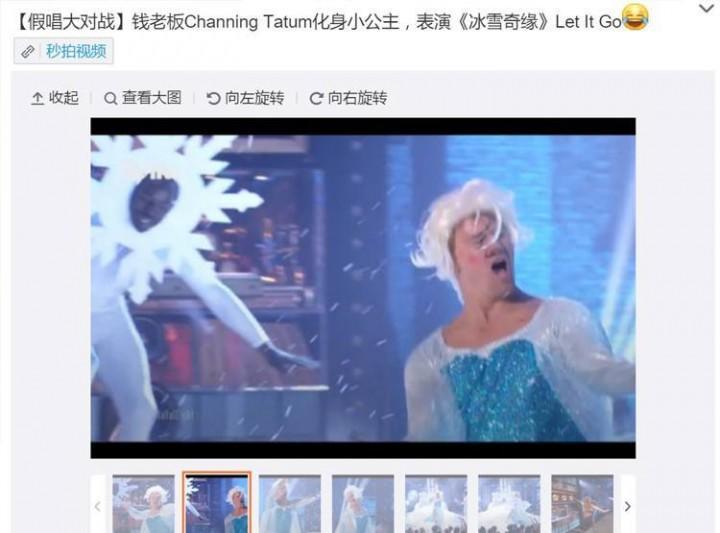
User @谷大白话 often posts images from American TV
How to hire a blogger
Sellouts?





Stay updated on the go with our mobile app.
Get latest insights with smoother, more personalized experience through TIA mobile app.