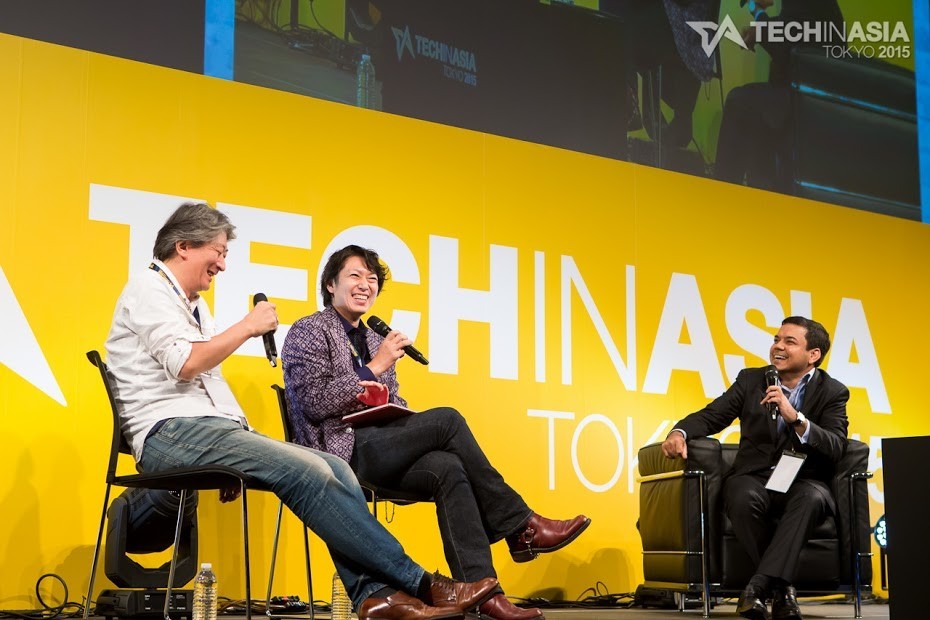
(Left to right) Osamu Ogasawara, CEO of ABBALab; Shinichiro Isago, technical evangelism manager at Microsoft; Anis Uzzaman, general partner and CEO at Fenox Venture Capital
The internet-of-things (IoT) movement is taking the world by storm, with analysts predicting the global IoT industry to be worth US$1.9 trillion by 2020 – coincidentally the same year that Japan will host the Olympics in Tokyo. Will the Rising Sun be able to rise to the occasion and keep a chunk of that lucrative market for itself?
A panel of IoT experts joined Tech in Asia Tokyo 2015 earlier this week to discuss the unique challenges and opportunities that the burgeoning movement will create. Anis Uzzaman, general partner and CEO at California-based Fenox Venture Capital, sat down with Tech in Asia following his session to share some more pointed insight for Japanese entrepreneurs involved in the IoT space, or those considering a connected gadget startup of their own.
“Japanese startups are good at growing to a certain size in Japan, but aren’t always good at growing on a global scale,” Uzzaman said. “IoT startups tend to be more ambitious because they’re going global from the outset.”
According to Uzzaman, the three biggest challenges facing Japanese IoT startups – and domestic ventures in general – are the following:
- Too few mentors for Japanese entrepreneurs
- Not enough opportunity for venture capital funding
- Difficult to find partners outside of Japan
Fellow panelist Shinichiro Isago, technical evangelism manager at Microsoft, agreed with Uzzaman’s assessment – particularly the third point.
“Collaboration with large companies is a key factor for IoT,” he told Tech in Asia. “Compared to the smartphone app or internet services business, the cost of providing IoT hardware and infrastructure [is very high] – that’s why Japanese startups should find a corporate partner to support them.”
Uzzaman’s top-three opportunities for Japanese IoT startups, however, are more specific to the domestic market:
- Rapidly aging, shrinking population
- Robotics expertise
- Agriculture monitoring using IoT
“Due to the aging population, healthcare will become the top, most important segment,” Uzzaman said. “If Japanese IoT startups can dominate the senior market, they will be hugely scalable to Europe and elsewhere.”
In the same vein, Uzzaman believes that robots will be utilized for healthcare applications. This will open the door for a new wave of software companies that can aggregate data from robotic nurses and other connected devices.
“We’re supporting some drone startups,” panelist Osamu Ogasawara, CEO of Tokyo-based hardware incubator ABBALab, said. “Agriculture and drones are a great combination in Japan.” As Japanese youths flock to urban centers to chase down career opportunities, elderly relatives are often left behind to tend family farms. Drone monitoring and remotely-controlled farming equipment may be the only way to keep the shrinking domestic agriculture industry alive.
Isago stressed one additional opportunity not on Uzzaman’s list – the 2020 Olympics.
“IoT development will speed up and opportunities for startups will increase because of the urgency created by the Olympics,” he added. “We will see more investment in IoT and more IPOs in Japan than any other market in the lead-up to the Olympics.”
Stay updated on the go with our mobile app.
Get latest insights with smoother, more personalized experience through TIA mobile app.
Recommended reads
 Flipkart co-founder’s startup banks $25m in series A money
 Temasek-backed PsiQuantum to build first commercial quantum computer
 Edtech accelerator EduSpaze names 9 startups in 5th cohort
 Why SEA won’t shake in an AI bubble pop
 When AI meets human nature
 Tin Men Capital injects $2.7m in AI software startup’s pre-series A round
 Has Southeast Asia reached its AI inflection point or stalled at pilots?
 Nvidia, Meta back $1b round of data annotation firm Scale AI
 SG healthtech firm bags $7m from Aldevron co-founder, 22Health Ventures
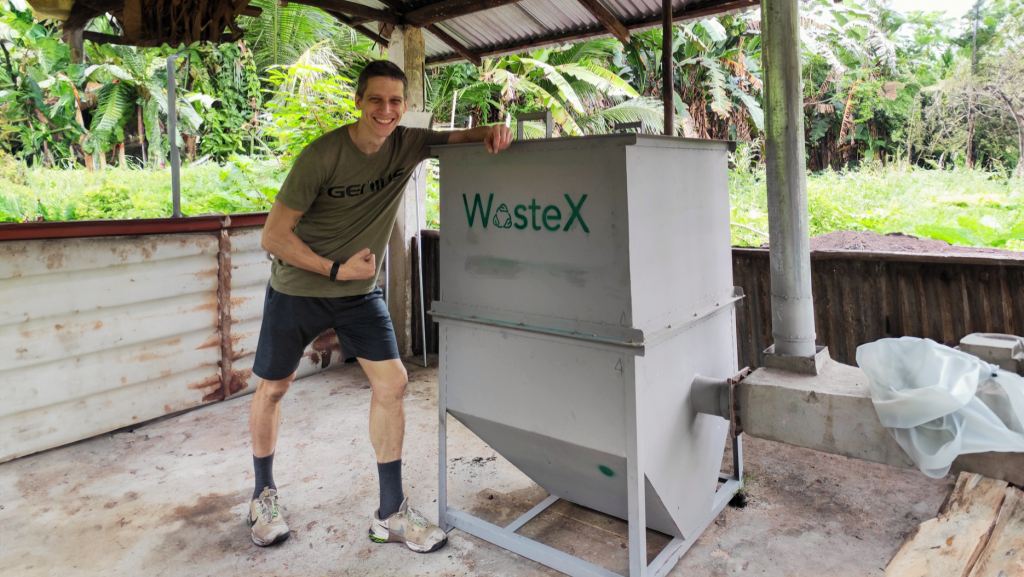 Wavemaker-backed WasteX raises $450k to expand biochar solution across Indonesia





Editing by Michael Tegos
(And yes, we’re serious about ethics and transparency. More information here.)





