- Insights This article was written by a TIA community member. Insights pieces undergo the same rigorous editorial process that newsroom-produced articles have.
 Tim Romero · · 5 min read
The challenges of an AI-powered life science startup
This article is from an episode on Disrupting Japan. This is heavily revised from the original show transcript. For the full episode, go here.
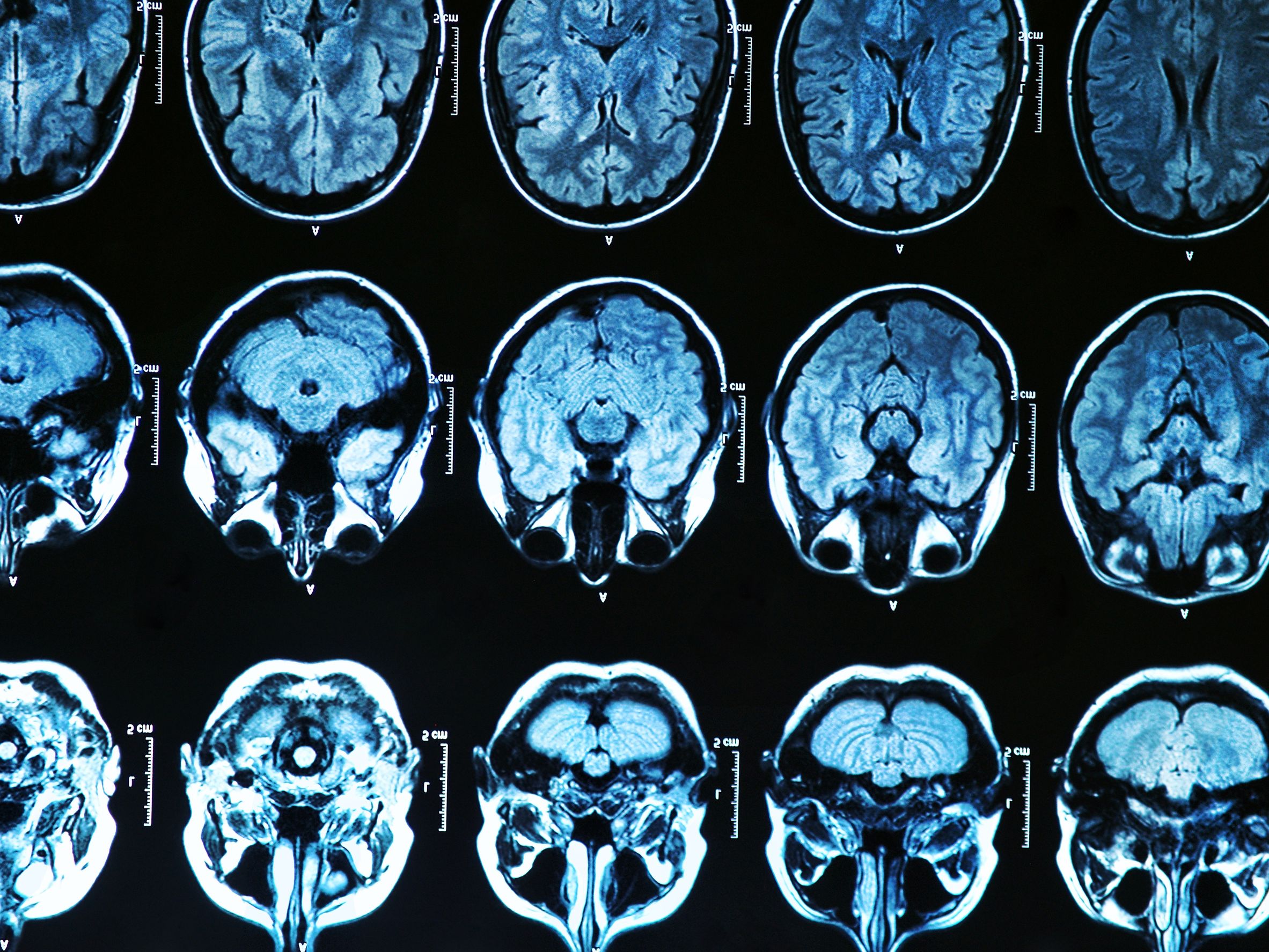
Photo credit: Inna Jacquemin
There’s been a growing number of life science startups emerging in Japan, and they have been adapting and evolving to surpass the country’s lack of investors and capital constraints.
In this session, I spoke with Yuki Shimahara, the founder and CEO of AI-powered medical imaging startup LPixel. The company created a tool that helps doctors detect a wide variety of conditions from CT scans and MRIs.
When he launched the startup, Shimahara was also finishing his studies for his doctorate at the University of Tokyo.
He shares about how AI is being used in medicine, the challenges of life science startups in Japan, and innovation in the country.
How has your startup been received in Japan?
To be honest, AI is a very new technology for doctors in the country. Since our product is defined as a medical device, we need to hold clinical tests and convince doctors to use our tech before we can get approval from the government.
How accurate our system needs to be in the clinical trials depends on the type of disease, so it’s difficult to get approval. In some diseases, 80% is the highest rate of diagnosing it correctly. So we need to prove that our system’s ability is reasonable compared to the accuracy of a human doctor.
We also distributed our questionnaire to 2,000 medical practitioners. The result: around 80% of them are interested in using AI, but only 1% to 2% of them are currently using the tech.
I think the reason for the big gap is that doctors are busy, and they don’t want to use a new application. So we have to integrate our software with what the doctors already use.
We are also not particular about only staying in Japan. In this industry, Japan and the US are the biggest markets, so our next challenge is taking on the US.
How do you see AI and doctors working together?
As a first step, I think AI can just act as support – kind of like a tracking system. For example, it sometimes takes two doctors to diagnose one patient. With AI, one doctor can make the first examination, then the AI can confirm the findings.





Stay updated on the go with our mobile app.
Get latest insights with smoother, more personalized experience through TIA mobile app.









📅 Upcoming Events
22 October 2026
Payoneer x CSPN Summit 2026