- Premium Content It takes our newsroom weeks - if not months - to investigate and produce stories for our premium content. You can’t find them anywhere else.
 Melissa Goh · · 8 min read
Can Carousell crack Google-Facebook duopoly with big ad bet?
What do Facebook and Google have in common with Carousell? A year ago, little. Today, ads – or to be more precise, the ad dollars they’re after.
While tech giants have traditionally commanded an outsized share of global digital advertising spend because of their reach, large retail networks with the customer base, data, and ad inventory to support them are fast becoming an alternative that brands can turn to.
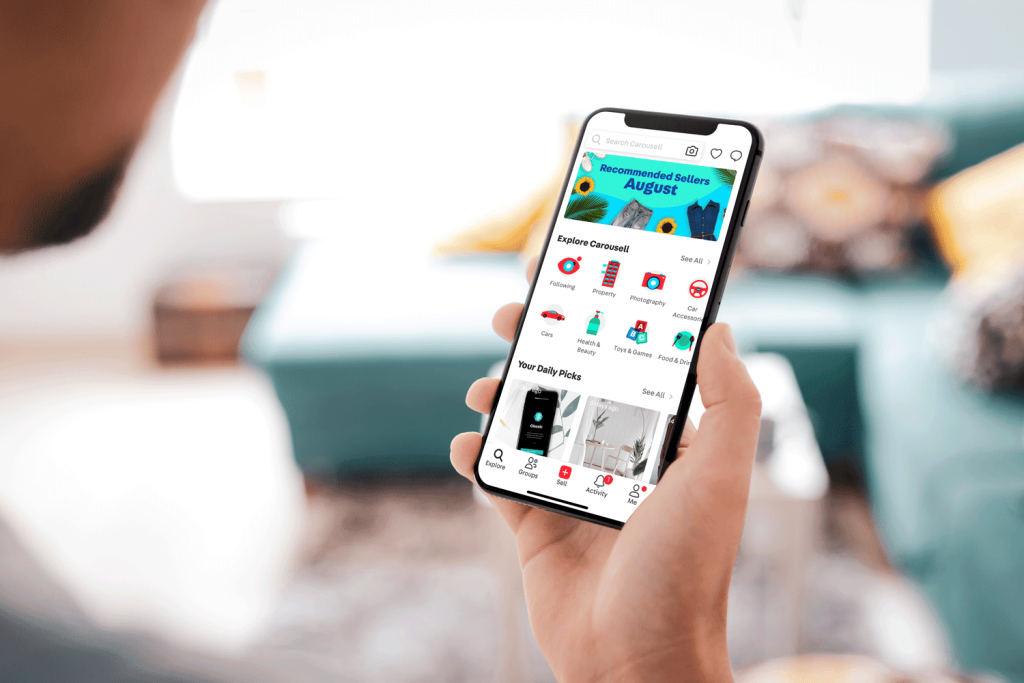
Photo credit: Carousell
In January, Carousell took a step in that direction with the launch of Connect, making the classifieds giant a modern-day retail media network (RMN).
These networks are expected to become a US$100 billion opportunity by 2024. Worldwide, more than 12 RMNs have been launched in the past two years, and these include those launched by Amazon, Walmart, Home Depot, and Target.
But what sets RMNs apart from other ad platforms? Using data on their users’ brand preferences and buying behavior, RMNs supposedly help brands “close the loop” between ad spend and performance, an age-old challenge for advertisers. This explains why the likes of Facebook and TikTok are venturing into ecommerce.
In addition to that, an RMN can help brands display ads both on its platform as well as third-party sites.
In Carousell’s case, for instance, a sports retailer that works with Connect can reach sneaker enthusiasts on Carousell who already have purchase intent and reinforce that behavior by retargeting them with ads on the platform and on other sites.
Carousell is one of the first – if not only – classifieds platforms in the region pioneering such a model, JJ Eastwood, managing director of Carousell Media Group, tells Tech in Asia.
With tens of millions of monthly users across Southeast Asia, Taiwan, and Hong Kong, the company sits on a treasure trove of data. “We know what people are searching for, buying, and selling,” he adds.
It also has a wide geographical reach via its acquisitions like Mudah in Malaysia, Cho Tot in Vietnam, and OneKyat in Myanmar, as well as the local sneaker marketplace it owns on Ox Street, Singapore.
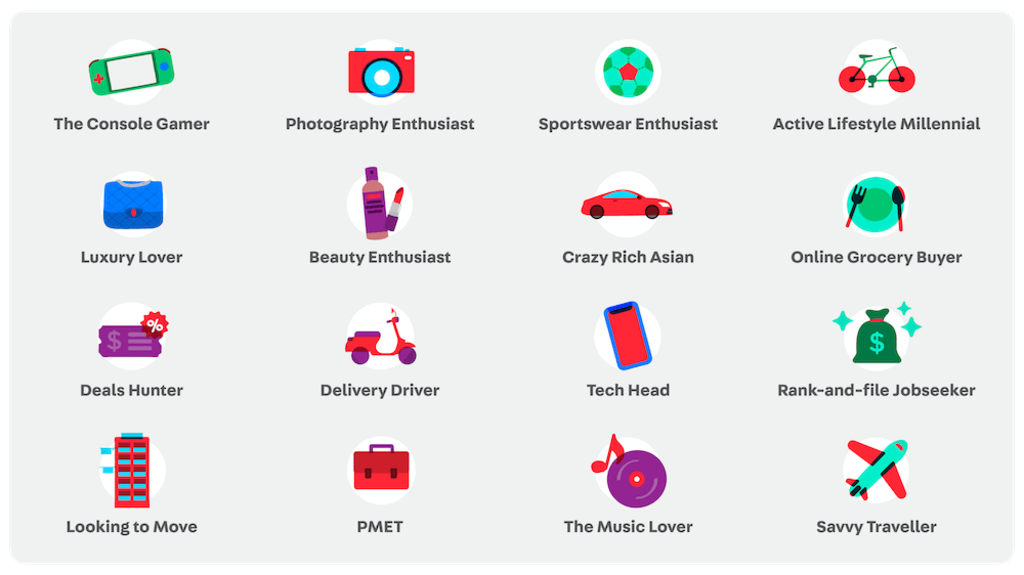
After a decade in business, Carousell has created “over a thousand” user personas based on purchasing, browsing, and listing habits on its app. These range from categories like young parents, people interested in high-end watches, as well as fashion lovers.
It’s this data that Eastwood believes will set Connect apart.
Opposing Facebook’s walled garden
Owning the data
Connecting the dots
Stay ahead in Asia’s tech landscape
This is premium content. Subscribe to read the full story.
Carousell’s Connect challenges tech giants’ walled garden approach toward advertising and was two years in the making.
We know this is not ideal. ⌛ Sign up in 20 seconds. Cancel anytime.
Our subscriber community includes professionals from these companies:





Stay updated on the go with our mobile app.
Get latest insights with smoother, more personalized experience through TIA mobile app.








📅 Upcoming Events
22 October 2026
Payoneer x CSPN Summit 2026