- Premium Content It takes our newsroom weeks - if not months - to investigate and produce stories for our premium content. You can’t find them anywhere else.
 Thu Huong Le · · 10 min read
Why is Sea quietly running a food delivery business in Vietnam?
On August 12, hundreds of bikers in Hanoi who work for food delivery platform Now protested at the headquarters of Foody Corporation, the Vietnamese tech firm that runs the service.
Local media reports say that these drivers were unhappy with Now’s new reward scheme, which raises the productivity bar in order for them to earn incentives. Foody, however, says the changes also increase the maximum bonuses and are aimed at improving customer experience.
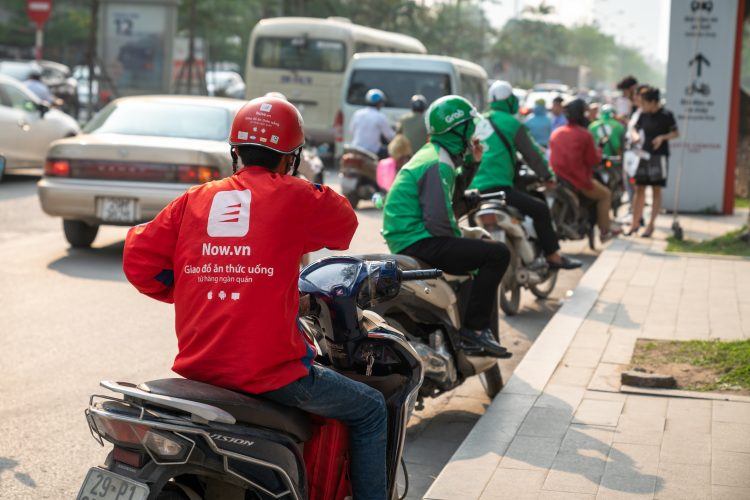
Now and GrabBike drivers park on Hanoi’s Dao Tan Street. / Photo credit: 123rf.
In recent years, similar protests by Grab and Gojek drivers have broken out in the country’s metro areas. These platforms have to lure users with attractive discounts and riders with bonus points, so tension is inevitable when these subsidies are scaled back.
Now has become a popular option for food delivery in Vietnam, going toe-to-toe with Grab. What’s less apparent is that it’s part of Singapore-based internet firm Sea. The regional giant acquired Foody, Now’s parent firm for US$64 million in 2017. It’s an impressive amount that many local startups can only dream of.
Foody has been a major acquisition for the New York-listed company, which doesn’t buy a lot of startups in the first place. However, Sea has been unwaveringly quiet about its ownership of a food delivery business in Vietnam.
Ecommerce and gaming have been Sea’s strong suits. So the question is, what role can food delivery play in its plan for Southeast Asia? The answer lies in Sea’s next big bet: payments.
The Foody story
Foody is considered Vietnam’s Yelp and has been around for nearly a decade. Founded in 2012 by Minh Dang, the company started out as a food recommendation and restaurant listing site. (See Tech in Asia’s past coverage of Foody’s here.)
In 2015, Foody morphed into a transactional platform for food delivery and restaurant reservations after funding rounds from Garena and Tiger Global Management. The same year, it launched an on-demand service app called DeliveryNow, which was later rebranded to Now.
At the time, doing a food delivery platform in Vietnam was considered a brave move. Ordering food online was seen as a luxury service for largely the expat communities in Hanoi and Ho Chi Minh City.
But it was a step in the right direction for Foody as its website was performing well in connecting users with restaurant owners. When the startup bagged its series C from Tiger Global Management, it already reportedly had a listing of 115,000 restaurants.
But Dang wasn’t planning to stop at food delivery: He envisioned building an ecosystem for Foody to increase user stickiness. This all happened even before Grab and Gojek took Southeast Asia by storm with their super-app ambitions.
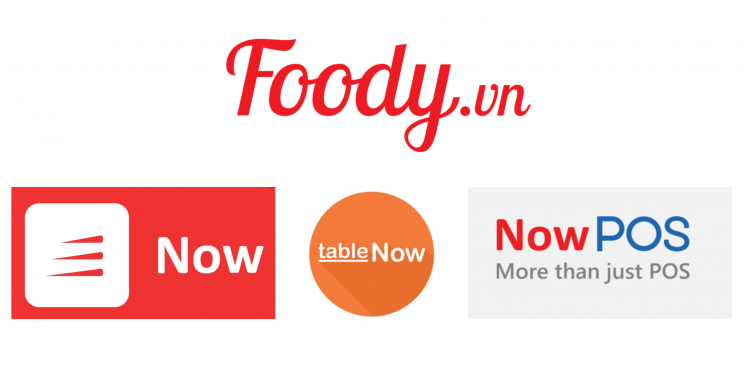
Main services under Foody: a restaurant-listing site, food delivery, table booking, and POS system
Tough market
Battle of Asian heavyweights
Why does Sea want to do food delivery?
Stay ahead in Asia’s tech landscape
This is premium content. Subscribe to read the full story.
New York-listed Sea has been unwaveringly quiet about its ownership of a food delivery business in Vietnam. Ecommerce and gaming have been Sea’s strong suits. What does food delivery has to do with Sea’s game plan for Southeast Asia?
We know this is not ideal. ⌛ Sign up in 20 seconds. Cancel anytime.
Our subscriber community includes professionals from these companies:





Stay updated on the go with our mobile app.
Get latest insights with smoother, more personalized experience through TIA mobile app.