 Leighton Cosseboom · · 3 min read
With $9M in fresh funding, Brainly hopes to narrow education gaps in Indonesia
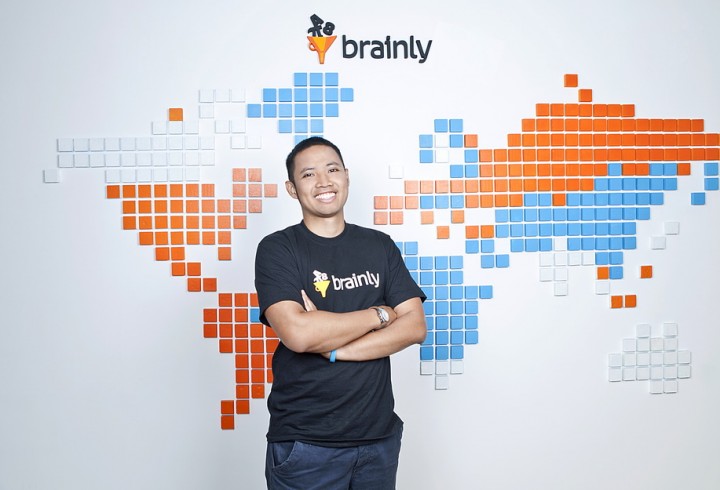
Dimas Mukhlas Widiantoro, country manager for Brainly Indonesia.
Indonesia is a nation comprised of thousands of separate islands, so proving a baseline of quality for the education system has always been a challenge, especially in an emerging economy where major infrastructural problems have yet to be resolved. Poland-based edtech startup Brainly aims to tackle this problem and narrow education gaps across the archipelago.
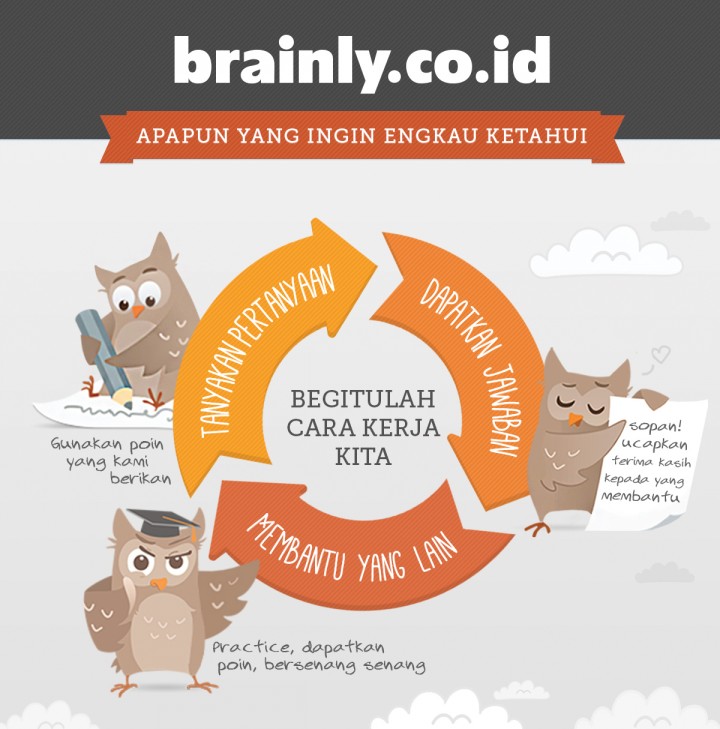
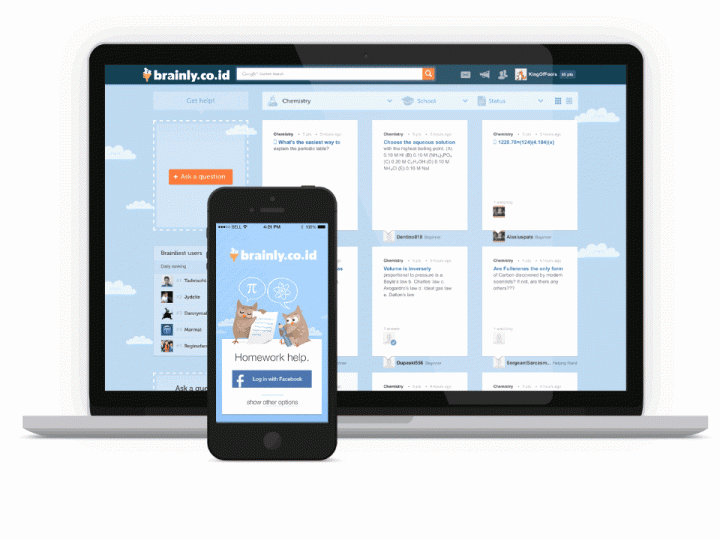
“Brainly will become a giant classroom for all the students who are willing to learn, share, and gain knowledge,” says the startup’s Indonesia country manager Dimas Mukhlas Widiantoro. Brainly is a social network for students, where anyone, anywhere in the world, can log in to help someone else with homework assignments.
Earlier this month, Brainly announced a US$9 million series A investment led by US-based General Catalyst Partners.
See: Indonesian edtech Ruangguru gets funding from East Ventures
In 2012, European entrepreneurs Michal Borkowski, Tomasz Kraus, and Lukasz Haluch founded Brainly with US$ 500,000 from Berlin-based Point Nine Capital and a group of angel investors on a mission to encourage students to learn and explore education collaboratively. According to Widiantoro, the company has seen enough traction worldwide to justify a strong move into emerging markets like Indonesia.
Widiantoro believes that there are already several good startups in the Indonesian education sector, including Zenius, Ruangguru, Tutor, Sibejoo, Harukaedu, and Ini Budi. “However, there is no direct competitor so far,” he says. “The difference is that Brainly offers all the services for free [with] peer-to-peer support, and gamification features.”
Globally, Brainly has 30 million unique monthly users. According to Widiantoro, the site’s biggest user base resides in Russian speaking countries, which include Belarus, Kazakhstan, Kyrgyzstan, Tajikistan, and, of course, Russia. The second largest unified group of Brainly users resides in Indonesia.
Brainly has increased its number of daily unique Indonesian users from 3,000 in December of last year to 400,000 as of today, according to Widiantoro. The majority of these visitors come from Jakarta, Medan, Surabaya, Makassar, and Yogyakarta. Widiantoro also claims to be encouraged by an increasing number of new users from the nation’s eastern rural areas like Jayapura, Merauke, and Maluku, where internet penetration is still low.
Out of six million Brainly users in Indonesia, Widiantoro says roughly 650,000 of them are active monthly, meaning they answer questions on the site, monitor content quality, or report spam. Widiantoro says one unique trait about Indonesia for Brainly is the number of users who access the site via mobile devices. 56 percent of Brainly’s entire Indonesian user base utilizes the platform via smartphone or tablet, which will inevitably affect how Brainly allocates its local marketing budget.





Stay updated on the go with our mobile app.
Get latest insights with smoother, more personalized experience through TIA mobile app.











📅 Upcoming Events
22 October 2026
Payoneer x CSPN Summit 2026