- Premium Content It takes our newsroom weeks - if not months - to investigate and produce stories for our premium content. You can’t find them anywhere else.
 Samreen Ahmad · · 6 min read
BNPL’s future on a knife-edge as ZestMoney averts shutdown
In January, India-based buy now, pay later (BNPL) player ZestMoney was acquired by non-banking finance company DMI Group in a distress sale after an acquisition by PhonePe fell through and the startup’s three founders exited.
While ZestMoney had raised over US$130 million since its founding in 2016, data from business intelligence platform Tofler showed ZestMoney had just nearly US$59,000 in the bank at the end of its financial year ended March 2023.
What happened to ZestMoney is not a stand-alone event. In recent months, a number of BNPL startups in India and Southeast Asia have resorted to layoffs or mergers, with some even shutting down amid regulatory crackdown and challenging macroeconomic conditions.
Singapore-headquartered BNPL startup Pace, for example, has filed for liquidation. Atome, which offers BNPL services in Southeast Asia and China, exited Vietnam last year.
Climbing US interest rates, now at a 22-year high, have increased the cost of capital for BNPL firms, which borrow funds to lend on the cheap. Players are also facing a higher risk of user defaults amid rising inflation.
These events call into question the viability of the BNPL model, even as some players continue to raise capital to fund expansion.
A problematic model?
In its heyday, ZestMoney had more than 17 million registered users.
Customers could avail loans from as low as US$12, even without having any prior credit score. This could be done at zero cost – with no upfront payment, processing fees, application fees, or pre-closure fees.
This drew a throng of credit-starved customers, especially those who were new to loans.
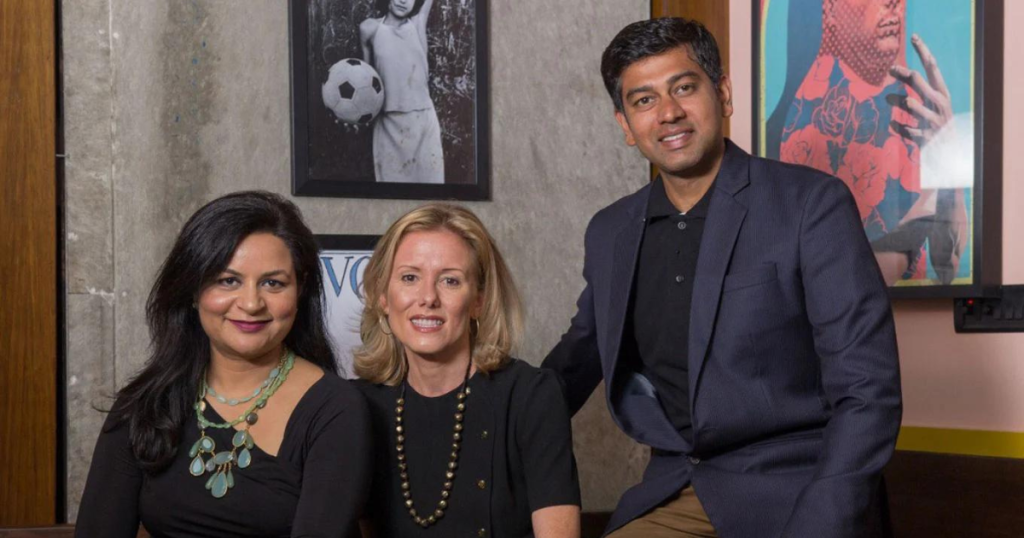
(From left) ZestMoney co-founders Priya Sharma, Lizzie Chapman, and Ashish Anantharaman. They had resigned from the company in May 2023. / Photo credit: ZestMoney
BNPL firms, however, have been called out for misleading customers.
Ashwin Bhambri, co-founder of loan platform KreditPe, tells Tech in Asia that zero-percent monthly installments is a “lending honeytrap” because there are always hidden charges. Late fee payment charges, for instance, are often buried in the fine print of terms and conditions, which consumers barely read.
In order to fund the loans, some BNPL firms even borrow capital in the names of their users, who unknowingly give their consent to do so. This indirectly affects the customers’ credit scores.
A combination of these issues prompted a crackdown by the Reserve Bank of India (RBI) on BNPL companies in 2022, affecting startups like PayU’s LazyPay, Tiger Global-backed Jupiter, and ZestMoney.
BNPL overhaul
“Not yet stable”
Stay ahead in Asia’s tech landscape
This is premium content. Subscribe to read the full story.
Startups in the buy now, pay later space will have to reinvent themselves amid chatter of the model’s fallout.
We know this is not ideal. ⌛ Sign up in 20 seconds. Cancel anytime.
Our subscriber community includes professionals from these companies:





Stay updated on the go with our mobile app.
Get latest insights with smoother, more personalized experience through TIA mobile app.








📅 Upcoming Events
22 October 2026
Payoneer x CSPN Summit 2026