Eva Xiao · · 5 min read
How this blockchain startup plans to tackle restrictions on your e-books and music
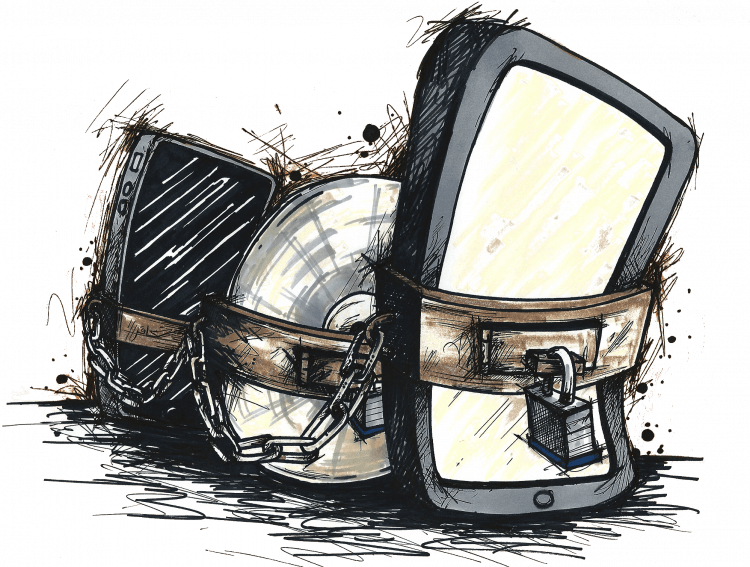
What digital assets do you really own? Photo credit: Brendan Mruk and Matt Lee/CC BY-SA 3.0.
Imagine buying a book from a bookstore and bringing it home. You scribble notes in the margins as you read, and dog-ear the pages you love. You lend it freely to friends. It is yours.
In the digital world, that’s not always the case – even for products you pay for.
“The problem is that digital property doesn’t exist,” Sean Moss-Pultz, CEO of Taiwan-based startup Bitmark, tells Tech in Asia. “The things we make in the digital environment, whether these are photos or the data we generate […] there’s not property rights to that.”
Buying software from Adobe or downloading music from iTunes is a fundamentally different process than brick-and-mortar purchases, he explains. For instance, after you buy a CD, the shop has no right to track you down and physically take it back from you. Online platforms, such as Amazon, often do. It’s called Digital Rights Management (DRM), which is meant to prevent users from copying or sharing digital products.
However, DRM can give platforms undue control. In 2009, Amazon remotely deleted several e-book editions of George Orwell’s 1984 and Animal Farm because they were illegal copies. Kindle customers got their money back, but it was still chilling – a little too Big Brother for everyone’s liking.
Bitmark wants to change that system with blockchain technology.
“What Bitmark is and does, is it’s a property system for the digital environment,” says Sean. “It creates digital properties that can be transferred, sold, rented, leased – whatever you want.”
Claim what’s yours
The idea of digital property ownership came to Sean about four years ago when he was flying between Taiwan and the US. “There was massive turbulence, and I thought for sure I was going to die,” he recalls. It prompted him to think about his will and how he wanted his family to inherit his bitcoin and the e-books in his Kindle library.
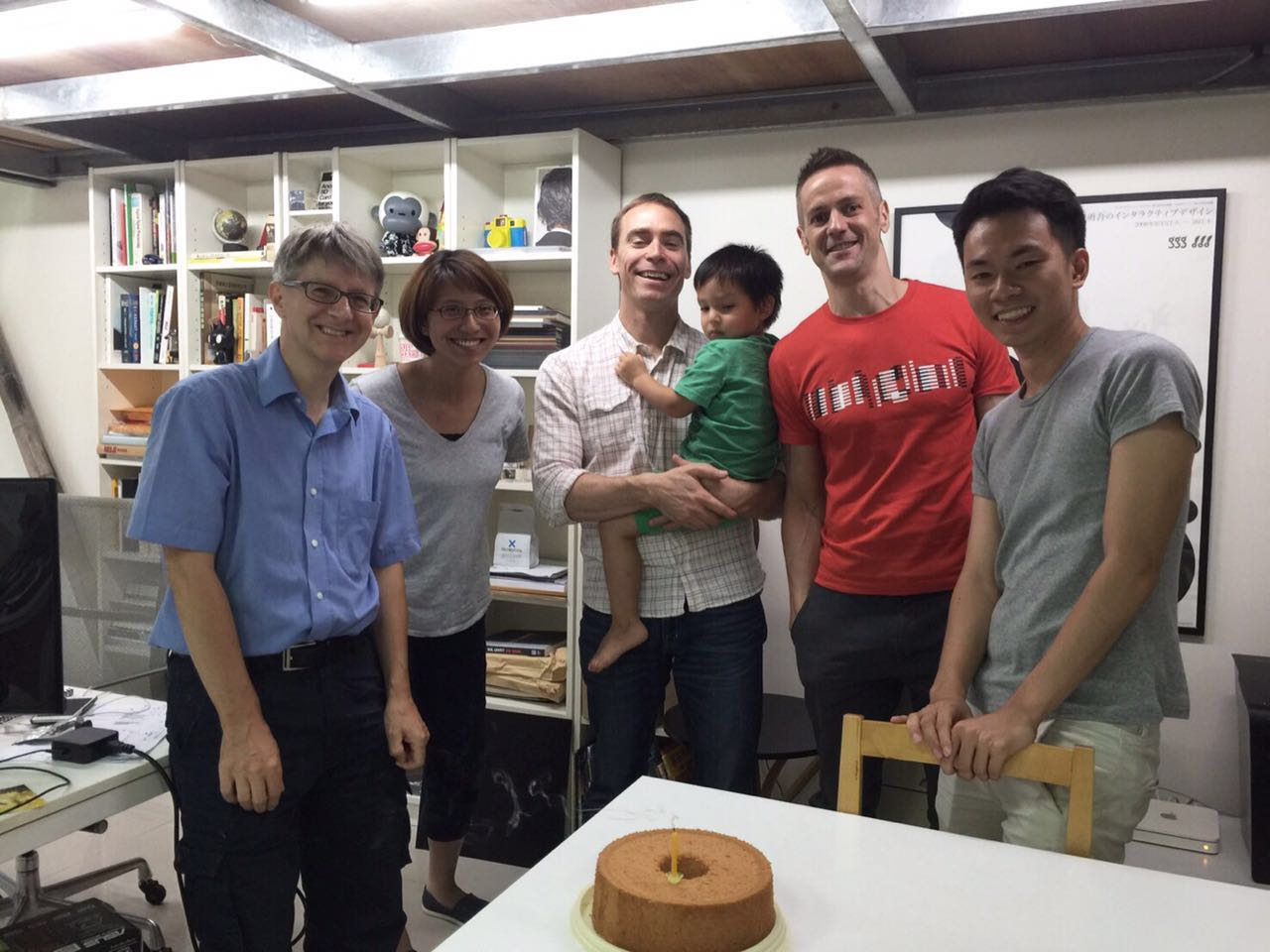
Some Bitmark team members (left to right): Chris Hall, Head of Engineering; Yu-Tai Chang, Engineering; Sean Moss-Pultz, CEO; Casey Alt, Head of Design; Kerwin Chen, Designer. Photo credit: Bitmark.
“I was originally thinking about all these books and all this music that I’ve collected over the years,” he says. “I wanted my son to have those, because then he could know what kind of guy I was.”
In 2014, Sean started Bitmark, pulling in old colleagues from OpenMoko, an open-source phone startup he founded in 2006. Together, they created an open-source blockchain to record property titles – called “bitmarks” – for digital property, such as graphic designs, songs, and photographs.
You are publicly claiming that this is yours – that you made this – and these are both recorded.
Sell your data





Stay updated on the go with our mobile app.
Get latest insights with smoother, more personalized experience through TIA mobile app.