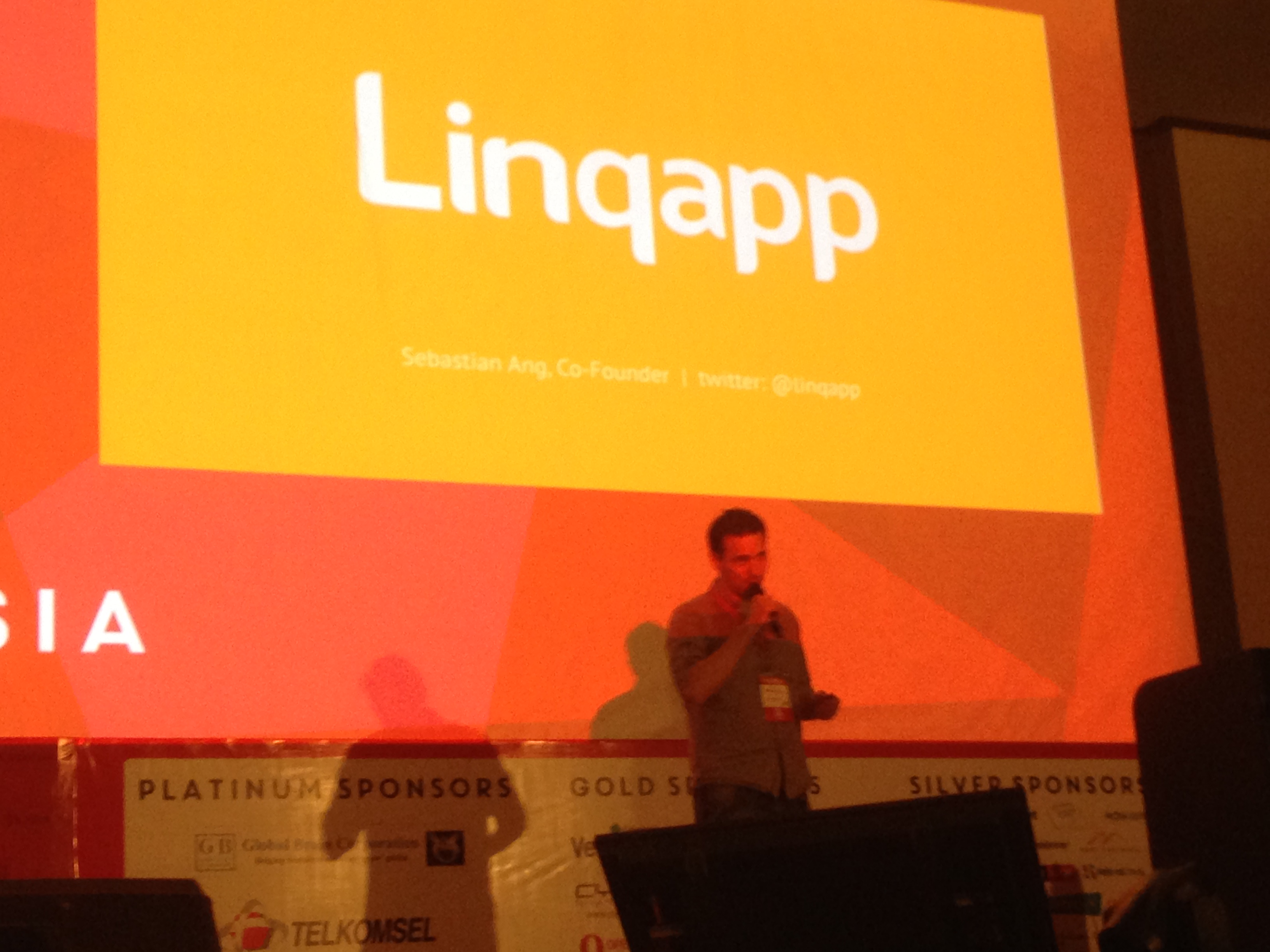
Sebastian Ang of Linqapp, the growing language learning startup, took to the stage today at Startup Asia Jakarta 2013 to make the case for his mobile app in front of a panel of investors.
When we caught up with Linqapp back in September, founder Sebastian Ang and his team were hard at work prepping for the project’s official launch.
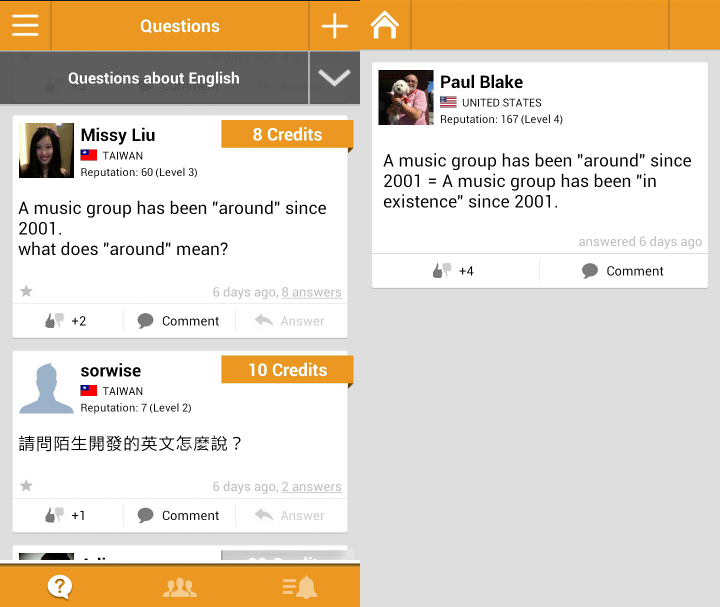
The app, borne out of Ang’s own frustrations as a German-native navigating through the sea of Mandarin in Taiwan, connects language learners and travelers with native speakers. When a user encounters a language-related dilemma – say, a confusing street sign, or a lost taxi driver – he or she can ping someone on Linqapp who will then help break through the language barrier, in exchange for credits. These credits can be used to used to subsequently ask other users language-related questions, and they’re available for purchase for those who need them immediately.
Linqapp had been available in beta for some time, and it already reached a certain level of local awareness thanks to a Facebook fundraising campaign in which Ang and co-founder David Vega documented a marathan-style run throughout Taiwan. But no one knew how the public would react once the app made its debut in the Google Play store.
To Ang’s great excitement, Linqapp kicked off with a solid start.
“On the day of our launch our server reached its maximum capacity, so we had to upgrade immediately. It’s totally the typical cliche launch story, but it really happened!”
Local Taiwanese media hadn’t forgotten about the two goofy foreigners who jogged around the island, and their reports helped Linqapp accumulate a sizeable domestic userbase. An article on TechCrunch then helped spread awareness in the English-speaking world, as well as in Japan, where the article was translated by domestic media.
Ang points out in his pitch that Linqapp has racked up 13,000 registered users in just under eight weeks. 50 percent of Linqapp users reside in Taiwan, nine percent reside in the US, and the rest are spread out globally.
But beyond the numbers, users have taken fondly to Linqapp, and Ang says that his team constantly receives feedback and suggestions.
For example Linqapp team also introduced upvoting and downvoting functionality. If a user submits a language related question – perhaps he or she asks the meaning of a confusing street sign – other Linqapp users can upvote and downvote certain translations of the sign, therefore helping the frazzled pedestrian identify the best translations.
As for the future, Linqapp continues to work hard on its upcoming iOS app, which should see the light of day in early 2014. Ang states that investors in Asia and in the US have reached out to talk about possible seed-stage funding.





Stay updated on the go with our mobile app.
Get latest insights with smoother, more personalized experience through TIA mobile app.