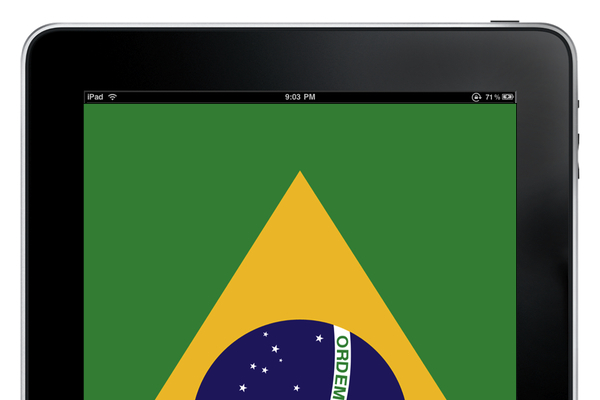
Designed by Apple in California. Assembled in Brazil. We’re more used to seeing the name China at the end of that phrase, but that’ll change very soon as Brazil is now ready to inaugurate its first Foxconn factory to make Apple’s iPad. It marks the end of China’s decade-long dominance of making Apple hardware, from humble iPods to huge iMacs. Brazil-made iPads could well hit shelves by December.
But this is not the start of a shift away from China – at least not yet. Foxconn, the Taiwanese OEM that runs the mainland China plants that also produce Apple’s gadgets, is using Brazil as a supplement to the output from its Chinese factories. An astonishing 20 million units iPads are reportedly going to be sold this quarter – which leaves room for both BRICS nations.
The Brazilian minister of science and technology, Aolizio Mercadante, told the local portal UOL:
At first many doubted, but it will be the first time that the company will produce iPads outside Chinese territory. We are taking a big step for digital inclusion in the country.
In future, China’s role is not as safe as some might think. Rising labor costs, and endlessly awful conditions at the plants, make the gadget’s time on Chinese soil the most controversial and difficult part of the production process.
Apple first started getting global flak for conditions at its Chinese suppliers back in 2006, after the success of the iPod put the Californian company in the spotlight. In 2007, Apple decided to start annual audits of its outsourced companies. But, despite their apparent best intent, miserable surroundings, punitive punishments, and abusive Chinese/Taiwanese OEM bosses remain in place. Furthermore, toxic n-hexane leaks have caused severe respiratory infections for workers in Suzhou (who remain uncompensated by Apple); and cancer-causing chemicals have seeped into the water table and sickened locals in one nearby village.
With the start of a new era in Brazil, consumers who champion responsible and happier workplaces will be hoping that we don’t see a repeat of ongoing abuses in China; and that the working environment in Brazil can (finally) push forward some positive changes here.
[News source: UOL – article in Portugese; via MacStories]





Stay updated on the go with our mobile app.
Get latest insights with smoother, more personalized experience through TIA mobile app.










📅 Upcoming Events
22 October 2026
Payoneer x CSPN Summit 2026