- Premium Content It takes our newsroom weeks - if not months - to investigate and produce stories for our premium content. You can’t find them anywhere else.
 Melissa Goh · · 4 min read
Fresh start for UglyFood as new ‘strategic partner’ funds logistics overhaul
Could the second time be the charm for UglyFood?
After failing to raise enough funds, leading to an abrupt closure in January, the Singapore-based online grocer of blemished and surplus produce relaunched in early May.
This time, the company has the backing of a “strategic partner” in the imports sector, founder Augustine Tan tells Tech in Asia.
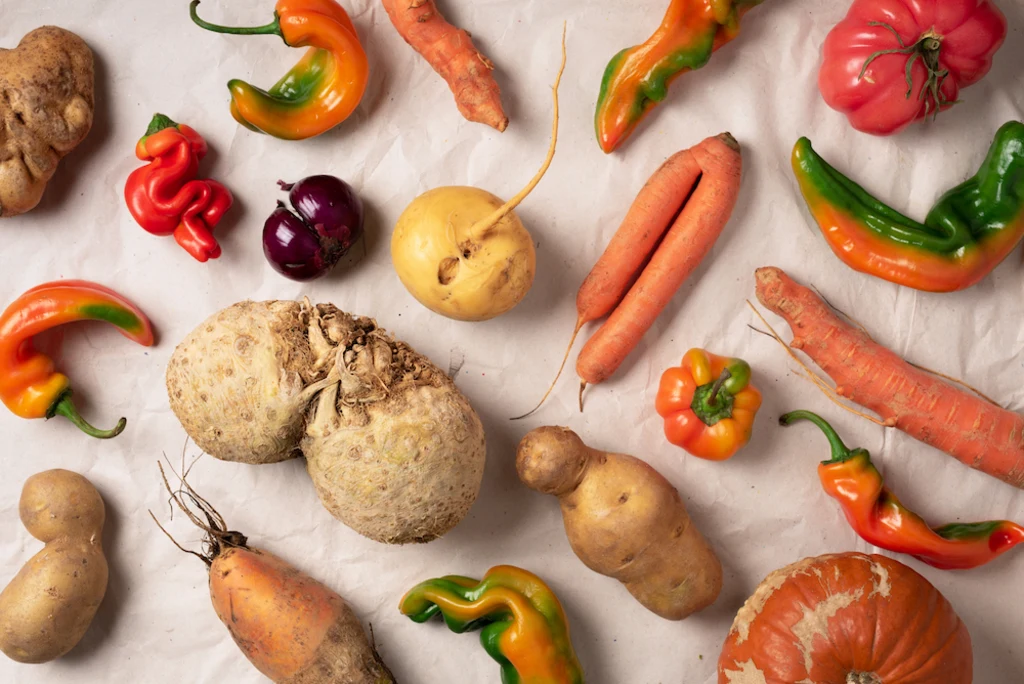
Photo credit: Shutterstock
UglyFood now has a 10-person team comprising a mix of ex-employees and new hires. It also sells a range of dry goods such as snacks and beverages, as well as “non-ugly” fruits and vegetables.
The strategic partner, which prefers to remain “hidden” for now, owns a joint stake in the new entity, according to Tan. This firm’s undisclosed investment has also helped fund an overhaul of UglyFood’s logistics and procurement systems, which include a new cold-storage warehouse and cold trucks for deliveries.
Now, “it’s a whole cold chain procedure up till the customer’s doorstep,” Tan says.
The result is a higher level of quality control and freshness, leading to improved fulfillment rates, which measure the percentage of successfully delivered items in an order.
For “non-ugly” items, fulfillment rates have increased to almost 100% due to less spoilage and better stock counting systems compared to before, when almost every order had issues.
Tan doesn’t regret the choices that the firm made in the past, including the decision to adopt an asset-light logistics model.
As part of the model, the company employed part-time delivery staff who used their own vehicles. It also stored produce in ice boxes during transit and in “a lot of fridges” inside warehouses because those didn’t require a high upfront investment.
“At that stage, it was the best decision for us. We didn’t need to spend money on trucks and vehicles,” Tan says. That allowed UglyFood to expand quickly and gave it the flexibility to hire additional drivers only when there was a surge in demand.
Still, the startup eventually spread too thin. “We were chasing growth instead of profitability. Anything that requires growth, requires cash,” Tan says.
The previous entity raised a total of US$125,000 in capital, according to Crunchbase.
What’s changed?
Building up a niche
Stay ahead in Asia’s tech landscape
This is premium content. Subscribe to read the full story.
Four months after its closure, the Singapore-based e-grocer is back up and running with a new “strategic partner” and a revamped logistics system.
We know this is not ideal. ⌛ Sign up in 20 seconds. Cancel anytime.
Our subscriber community includes professionals from these companies:





Stay updated on the go with our mobile app.
Get latest insights with smoother, more personalized experience through TIA mobile app.











📅 Upcoming Events
22 October 2026
Payoneer x CSPN Summit 2026