Eva Xiao · · 6 min read
Chinese tourists are bringing their wallets – and China’s tech giants – overseas

Chinese tourists snap a selfie in Venice, Italy. Photo credit: gregorylee / 123RF.
Chinese tourists are notorious for spending money. In Japan, locals even have a special word – bakugai or ‘explosive buying’ – to describe the bulk-buying sprees of Chinese travelers. From cosmetics to luxury handbags, shopping is a big part of tourism for outbound Chinese travelers.
For Chinese tech companies, these globe-trotting consumers serve as an entry point into overseas markets. Mobile payment systems Alipay and WeChat Pay have been able to partner with international brands, retailers, and airports eager to capitalize on Chinese tourists – despite having low penetration outside of China. Even QR codes are finding a home in certain venues abroad, driven by the needs and habits of Chinese customers.
“For both retail and hospitality, in terms of traffic, Chinese tourists are absolutely huge,” Alexis Bonhomme, co-founder of digital marketing firm CuriosityChina, tells Tech in Asia. “So the concept big retailers have in mind is the ‘global Chinese shopper.'”
“She lives in Shanghai – she purchases in Paris and London,” he explains.
China leads the world in outbound tourism.
According to the World Tourism Organization, China led the world in outbound tourism for the fifth year in a row in 2016, hitting a new record of 135 million travelers that spent a total of US$261 billion.
“China’s increasing number of outbound tourists drives the internationalization of big Chinese tech companies,” says Eda Erbeyli, project manager at Daxue Consulting. From Baidu’s map service to Chinese social messaging app WeChat, Chinese tech giants are leveraging the country’s outbound travelers to make their businesses more global, she adds.
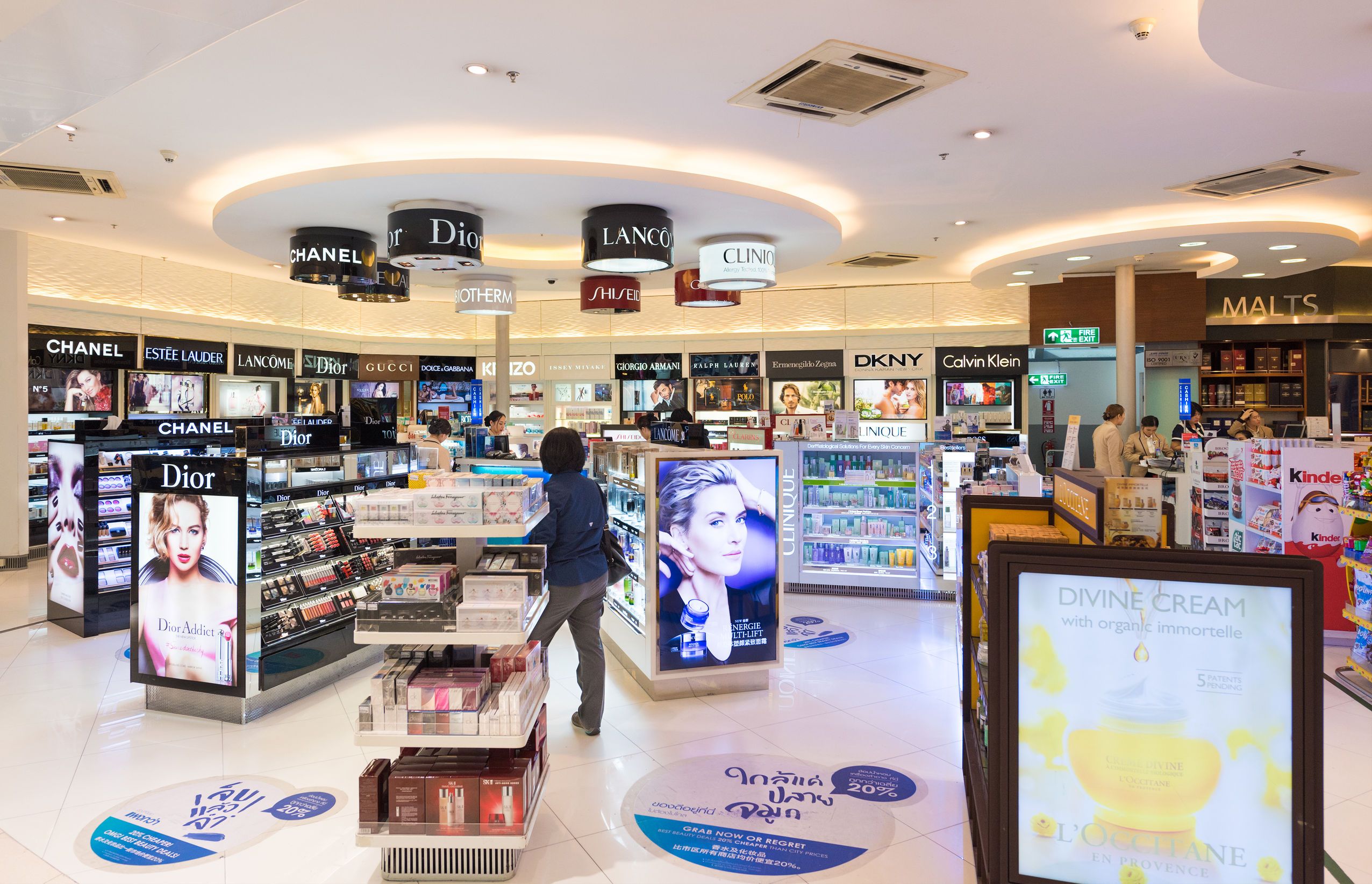
Duty-free shops at airports are usually the last stop for Chinese shoppers. Photo credit: wihtgod / 123RF.
The power of money
In China, anything from splitting a bill to shopping for groceries can be done through your smartphone. Alipay and WeChat Pay are the country’s two largest mobile payment solutions, together controlling about 90 percent of the domestic industry, according to research firm Analysys.
However, the two have yet to make a dent in the global payments market. That’s where Chinese tourists come in. They’re the incentive for overseas companies – especially those in places that attract travelers from China – to partner with Alipay and WeChat Pay.
Alipay and WeChat Pay have yet to make a dent in the global payments market.
Just this week, for instance, Alipay signed a deal with payment processor First Data. The partnership opens its users to 4 million merchants in the US. In Europe, Alipay is working with Ingenico, an electronic payments platform that services thousands of businesses, including Carrefour and Estee Lauder.
Beyond payments





Stay updated on the go with our mobile app.
Get latest insights with smoother, more personalized experience through TIA mobile app.