- Premium Content It takes our newsroom weeks - if not months - to investigate and produce stories for our premium content. You can’t find them anywhere else.
 Shadine Taufik · · 7 min read
Gojek-backed audio firm plays cashy tune
Indonesian podcasting platform Noice has built up a reputation as a hyperlocal player in the country’s audio-streaming industry, but it faces several challenges to becoming the leading podcast player in the country.
Earlier this week, we dived into how Noice stacked up against international audio-streaming giant Spotify. In this story, we explore a larger problem that has affected the podcast industry at large: monetization.
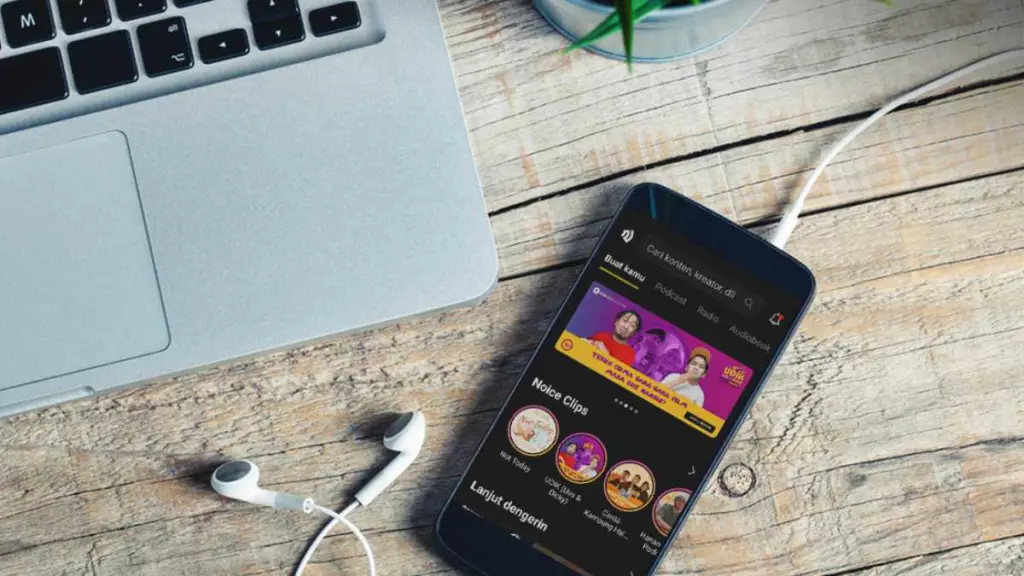
Photo credit: Noice
Many have tried and failed in this industry and eventually drawn the curtains.
Indonesian forum Kaskus discontinued its podcast streaming last year after three years in the game. Vietnam’s Waves is another streaming platform that ceased operations in 2020, mere months after it raised US$1.2 million in seed funding. Facebook, too, shut down its podcasting feature last month after only a year.
While Noice has depended on advertising until now, it plans to introduce a new monetization strategy by the end of the year. But has it learned enough from the failures of other audio-streaming platforms to succeed?
Off tune on the notes?
Many podcast firms fail because they lack a clear business model and have bad timing, Matthew Durai, general manager of audio-based intellectual property production firm ZAG Media tells Tech in Asia.
“It’s basically running on VC money and hoping for the best – you get your money, you create cool snazzy shows, and then try to bring the money in rather than trying to prove a business and then grow it from there,” he says.
Many of these platforms rely on advertising partnerships, but it’s difficult for smaller audio content platforms to gain them. The lack of meaningful analytics keeps customer acquisition costs high for sponsors, especially when the creator market is fragmented and one-on-one partnerships must be formed.
However, Noice is adopting a creator-driven approach to monetization. The company plans to drive up its revenue by introducing paid gifts, VIP rooms, and sponsorships before the end of the year – a model similar to what game-streaming platform Twitch and livestreaming app Bigo follow.
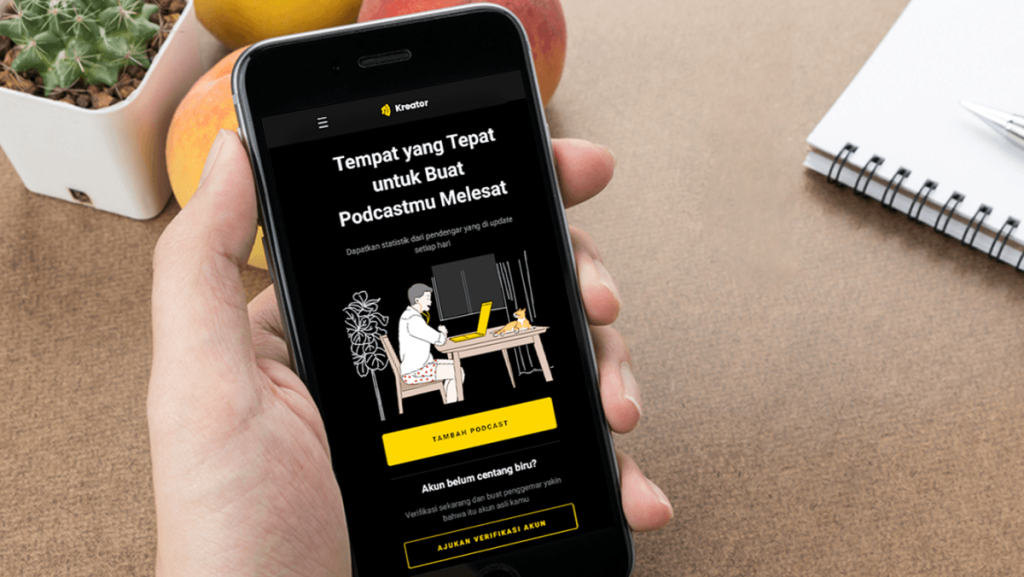
Photo credit: Noice
Currently, Noice depends on direct advertising or sponsorship for standalone episodes. It pays creators upfront for every episode and gives them sponsorship fees on top of this amount.
Noice bridges this gap for signed creators by helping them strike deals with advertisers. But for most of the company’s amateur, unsigned creators, monetization might still be an uphill task.
Noice isn’t profitable yet, and its representatives have not disclosed its financials. Given that its only revenue source is advertising, the firm must ensure its burn rate is low enough to sustain its operations until its monetization strategy kicks in.
Counting on hyperlocal vocals
Stay ahead in Asia’s tech landscape
This is premium content. Subscribe to read the full story.
VC-backed Noice plans to adopt a creator-driven revenue model by the end of 2022. Will it succeed in an industry plagued by monetization woes?
We know this is not ideal. ⌛ Sign up in 20 seconds. Cancel anytime.
Our subscriber community includes professionals from these companies:





Stay updated on the go with our mobile app.
Get latest insights with smoother, more personalized experience through TIA mobile app.










📅 Upcoming Events
22 October 2026
Payoneer x CSPN Summit 2026