- Premium Content It takes our newsroom weeks - if not months - to investigate and produce stories for our premium content. You can’t find them anywhere else.
 Scott Shuey · · 5 min read
Is MAS’ purpose-bound money really money?
A nascent blockchain technology could have wide-reaching impact on consumers and small business, according to a whitepaper released in June by the Monetary Authority of Singapore (MAS), but not everyone is on board with the concept.
The whitepaper, developed in collaboration with the International Monetary Fund, Amazon, DBS Bank, and others, lays out the concept of purpose-bound money or PBM. While the term may seem obscure, it is basically blockchain-based money that can only be used when specific conditions are met.
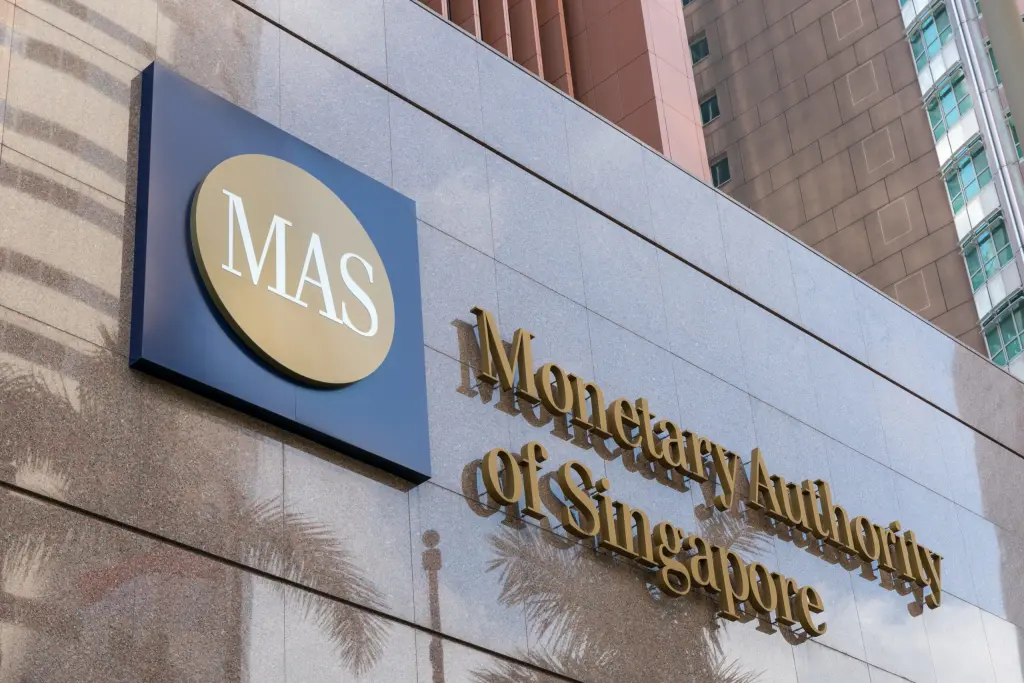
Analysts estimate that purpose-bound money could become available in the next five to 10 years. / Photo credit: Shutterstock
If you’re a consumer, think of PBM as a gift card or voucher that can only be used at a certain store or during a certain time. For businesses, it would work like an escrow account, ensuring they receive money in a secure and timely manner.
While PBMs use blockchain technology, the whitepaper stops short of using the term cryptocurrencies. Instead, the authority identifies “central bank digital currencies (CBDCs), tokenized bank liabilities, and potentially well-regulated stablecoins” as the “medium of exchange for this new digital asset ecosystem.”
The inclusion of CBDCs in the whitepaper indicates that MAS would likely peg PBMs to the Singapore dollar, analysts say.
Huxley Peckham, a “Token Evangelist” from Australia, posted on Twitter that “PBM could potentially facilitate more efficient transactions, enhance financial inclusion, and unlock economic value.”
He added that the beauty of PBM lies in its versatility. “It’s designed to work across different kinds of ledgers and assets, making it a power tool in the evolving world of digital finance.”
Not everyone, however, agrees with PBM’s potential.
The idea that PBMs can provide “greater assurance” to both parties is “nutty,” contends Kelvin Low, a professor at the National University of Singapore’s Faculty of Law.
“The problem with the idea of purpose-bound money is that it is probably not really money in the true sense of the word,” he explains to Tech in Asia. “We’ve always had purpose-bound ‘money’ in the form of credit – think store vouchers or credits. Would programmable money be more efficient? There are reasons to be doubtful.”
He also points to concerns such as programming errors and how a PBM’s purpose in the real world can be circumvented by simply selling it for cash. That may not sound like a problem if your PBM is a voucher issued by a local retailer, but it might be an issue if the PBMs is a government-issued voucher to offset living expenses for low-income households.

National University of Singapore’s Kelvin Low (left) and former chief of the US Securities and Exchange Commission’s Office of Internet Enforcement John Reed Stark (right) / Photo credit: Kelvin Low and John Reed Stark
Helping small businesses with cashflow
Pilot programs
In PBM we trust
Still working it out
Stay ahead in Asia’s tech landscape
This is premium content. Subscribe to read the full story.
Singapore’s central bank details the concept for a blockchain currency that combines the value of stablecoins with the flexibility of smart contracts.
We know this is not ideal. ⌛ Sign up in 20 seconds. Cancel anytime.
Our subscriber community includes professionals from these companies:





Stay updated on the go with our mobile app.
Get latest insights with smoother, more personalized experience through TIA mobile app.











📅 Upcoming Events
22 October 2026
Payoneer x CSPN Summit 2026