Dear readers,
For years, Chinese tech giants and entrepreneurs have eyed Southeast Asia as a land of opportunity.
They hope that the region’s numerous young consumers will readily lap up the addictive apps they’ve made, and that has come true, if the rise of TikTok and Bigo is any indication.
But Chinese consumers are also hungry for a taste of Southeast Asia too.
Last week, our China reporter Nicole Jao broke down how the country’s ecommerce giants are buying up fruits and vegetables from the region en masse and shipping them home. Durian, the stinky king of fruits, has been a hot commodity.
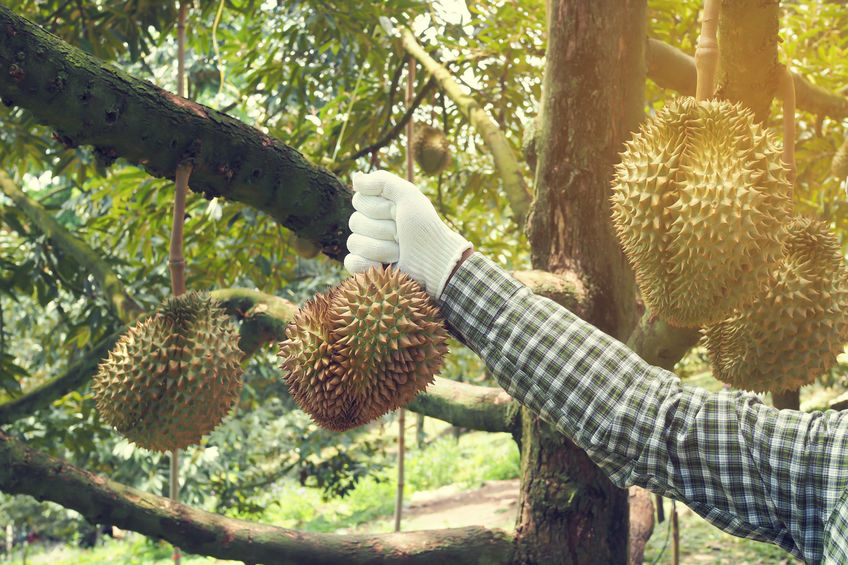
Photo credit: 123RF
Agritech firms in Southeast Asia could be poised to benefit as farmers optimize their yields to meet the demand.
In general, trade and commerce between China and Southeast Asia will continue to intensify. Many Chinese firms have their own “plus one” strategies – which see them diversify away from their home country.
With US and India displaying rising antagonism toward China, Singapore could become an even more attractive and politically neutral haven for Chinese firms and their wealthy owners.

The spiky dome of Singapore’s Esplanade theater. It’s also affectionately called the Durian / Photo credit: 123RF
But it won’t be smooth sailing.
For one, Southeast Asia isn’t one for uniformity. China is a sensitive topic in Vietnam, too, and many Vietnamese companies try to distance themselves from the country even though they work closely with Chinese firms.
This is also why Chinese companies that want to tackle Vietnam’s many opportunities, including in education tech, will have to tread carefully.
A thorny affair





Stay updated on the go with our mobile app.
Get latest insights with smoother, more personalized experience through TIA mobile app.