- Insights This article was written by a TIA community member. Insights pieces undergo the same rigorous editorial process that newsroom-produced articles have.
 Ryan Rodenbaugh · · 13 min read
A deep dive into super apps and why they’re booming in the East and not the West
When I set out to write a newsletter about the tech industry in Asia, I knew I wanted to write about super apps. My first few posts on Gojek, Grab, and Wechat laid the foundation for the ideas proposed in this post.
- The history of super apps
- Characteristics of super apps
- Non-obvious benefits of running a super app
- Why they don’t exist in the West and how that could change
To confidently write this post, I needed to spend time studying existing ones. I wanted a better understanding of what makes them so powerful and what differentiates them from the monster FAANG (Facebook, Amazon, Apple, Netflix, and Google) apps of the West.
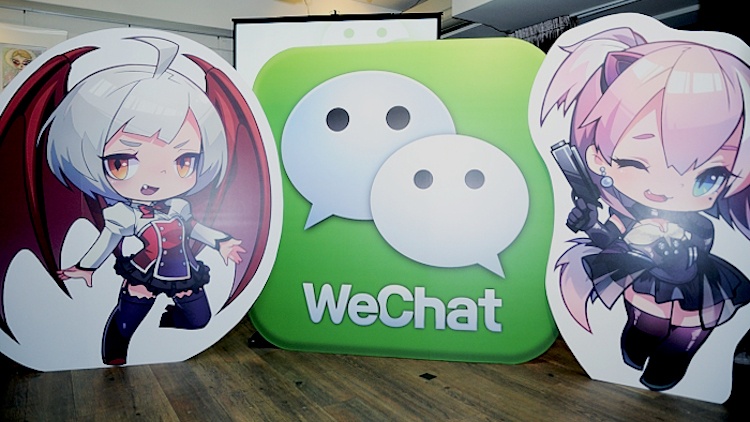
Photo credit: Wikimedia
Gojek’s engineering blog provides the most succinct definition of a super app:
“A super app is many apps within an umbrella app. It’s an operating system that unbundles the tyranny of apps. It’s a portal to the internet for a mobile-first generation.”
While there are many super apps (and many companies trying to be one) these days, the term is most often associated with Tencent’s WeChat, which is widely described as the “one app to rule them all.”

While WeChat may have been the first to embody the principles of a modern super app, the term dates back to 2010.
History
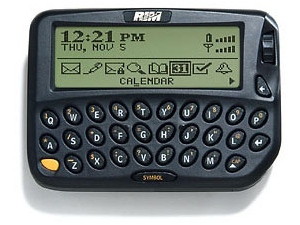
Does the name Mike Lazaridis mean anything to you? Lazaridis is the founder of Research in Motion (RIM), the manufacturer of the BlackBerry device. He also invented the concept of a super app.
In 1999, BlackBerry debuted one of the world’s first smartphones, the BlackBerry 850.
Characteristics of super apps
Benefits of super app-dom
Why don’t we have super apps in the West?
What’s the West to do?
Conclusion





Stay updated on the go with our mobile app.
Get latest insights with smoother, more personalized experience through TIA mobile app.