- Premium Content It takes our newsroom weeks - if not months - to investigate and produce stories for our premium content. You can’t find them anywhere else.
 Nicole Jao · · 6 min read
Chinese tech giants are hungry for Southeast Asia’s fruits
Last year, the buzzword “cherry freedom” went viral on the Chinese internet as cherries became one of the hottest items sold across major ecommerce platforms. The meme takes a swipe at the high cost of living in Beijing, so the ability to buy imported cherries became an indicator of financial freedom.
And in a bit of irony, it boosted the sales of imported cherries from Chile and pushed the price up further.
The cherry frenzy reflects Chinese consumers’ growing appetite for imported produce and their willingness to pay for even high-end goods. China’s rising middle class means more people have more disposable income.
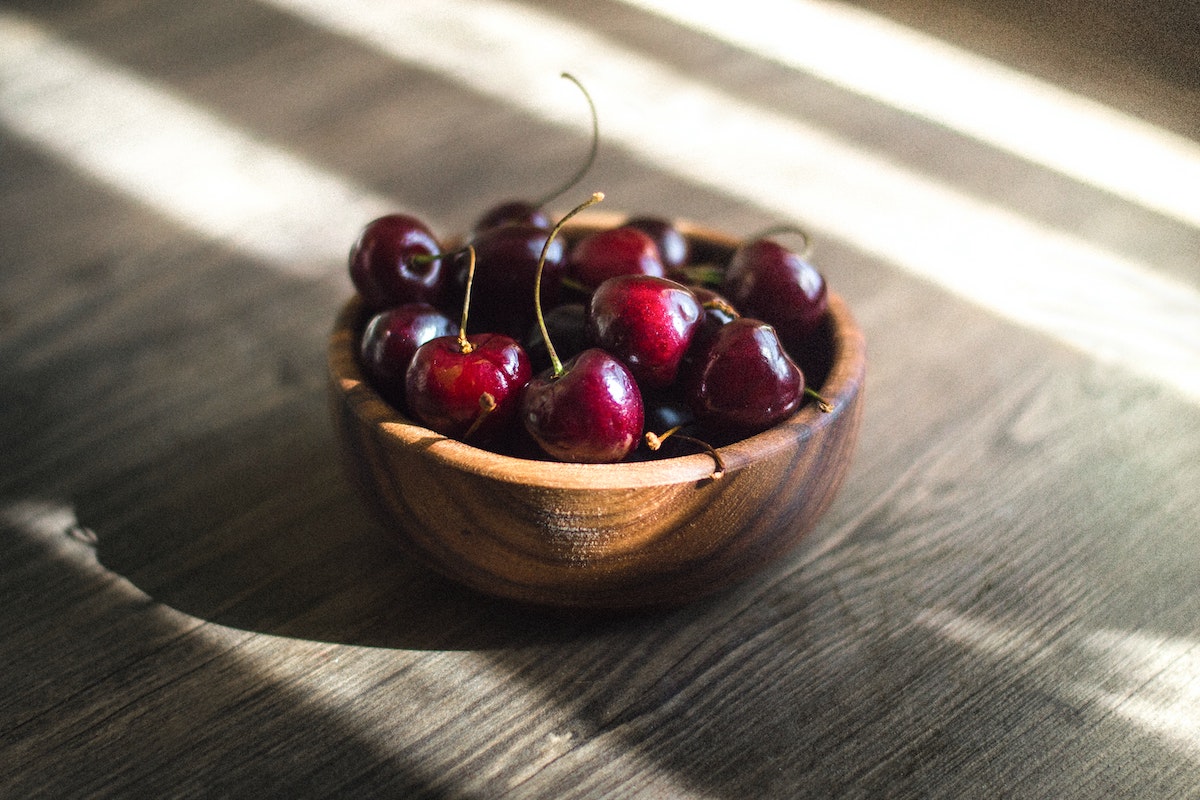
Photo by Mohammad Amin Masoudi on Unsplash
To feed this demand, Southeast Asia’s largest fruit producers are getting a lot of attention from Chinese tech behemoths, including Pinduoduo, the biggest online platform for agricultural goods, as well as Alibaba and JD.com.
As the region’s fresh produce becomes another battleground for these ecommerce players, they’re ramping up investments and subsidies for fruit growers in the region to get a headstart.
A big appetite
China’s fruit imports grew by more than 23% in 2019, and it has become a net importer of fruits in recent years.
Besides rising income, the surge in demand can also be attributed to the expansion of fresh produce ecommerce in the country.
Pinduoduo is the largest online seller of agricultural products – indeed, that’s how it took off in the first place. In 2019, the company more than doubled its sales from produce to around US$20 billion, accounting for over 13% of its total gross merchandise value (GMV).
It isn’t stopping there. Pinduoduo recently set an ambitious goal to raise the GMV from agriculture by more than 7x to over US$145 billion a year by 2025.
Fresh fruit from Southeast Asia has seen a “multifold increase” in sales in China over the past few months, Pinduoduo tells Tech in Asia.
Durian, dragon fruit, and coconut are top-selling items, with hundreds of millions of its active users having purchased fresh produce on its platform, the company revealed. Fragrant rice is also a consumer favorite.
Pinduoduo said that while affluent consumers previously bought imported fruits from supermarkets, they’re switching over to ecommerce as they can get the same items at a higher quality and lower price.
While the main bulk of buyers are from first-tier cities including Beijing, Shanghai, and Guangzhou, the consumption gap between urban and rural is closing, says the company.
Farm-to-consumer model
Cashing in on a durian gold rush
Stay ahead in Asia’s tech landscape
This is premium content. Subscribe to read the full story.
The demand for imported fresh fruit is on the rise in China, and the country’s ecommerce players are eager to capture rich pickings in Southeast Asia.
We know this is not ideal. ⌛ Sign up in 20 seconds. Cancel anytime.
Our subscriber community includes professionals from these companies:





Stay updated on the go with our mobile app.
Get latest insights with smoother, more personalized experience through TIA mobile app.










📅 Upcoming Events
22 October 2026
Payoneer x CSPN Summit 2026