Steven Millward · · 4 min read
Alibaba’s very public punch-up with Chinese regulators shows that knock-offs are still a problem
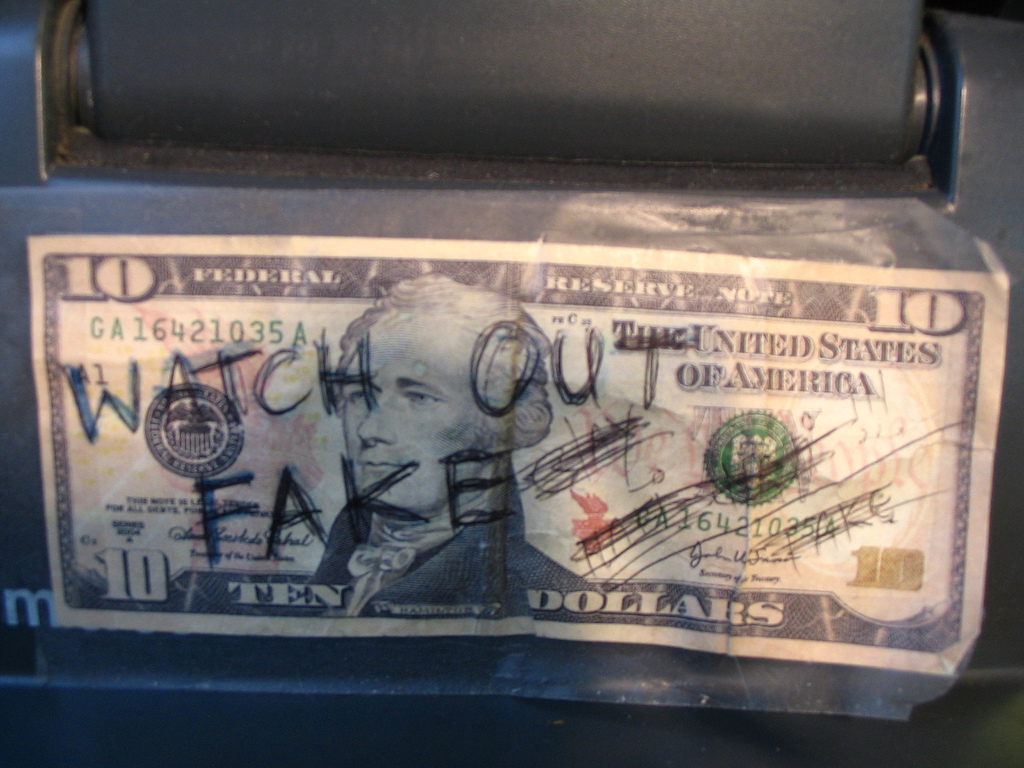
Just over 40 percent of the stuff that Chinese people buy online is fake, said a recent government-backed report. It accused Alibaba’s Taobao, a huge marketplace made up of online merchants, of being the worst offender, with the majority of its goods – about 63 percent – being counterfeit.
That has sparked a very public and rather surprising punch-up between Alibaba and China’s State Administration for Industry and Commerce (SAIC). The regulator published the report over the weekend (see here), but it was compiled in July 2014.
Shortly after SAIC’s report was picked up by Chinese media, Taobao’s official Weibo account posted a heated response, aimed squarely at the head of the SAIC’s department of online commerce. “Director Liu Hongliang! You’re breaking the rules, stop being a crooked referee! We are willing to accept your God-like existence, but we cannot agree with the double standards used in various sampling procedures and your irrational logic,” it said, according to the Financial Times’ translation. That post was later removed and replaced with a statement that read:
We are open to fair supervision, and are opposed to no supervision, misconceived supervision, or supervision with malicious aims.
(Update on January 30: Alibaba responded in more detail today with a list of things it did in 2014 to guard against counterfeits and protect copyright.)
SAIC’s survey was unequivocal in its condemnation of the fakes it found on Alibaba’s estore. “Alibaba Group has long paid insufficient attention to the illegal business activities on Alibaba platforms […] [and has allowed] that abscess fester until it became a danger,” said the report’s commentary.
Rigged stats?
Alibaba’s initial withering response highlights the methodology of the SAIC report, which surveyed only 92 products from six Chinese ecommerce stores: Taobao, Tmall (also run by Alibaba), JD, Yihaodian, ZOL, and Jumei. While Taobao fared the worst, flash sales site Jumei scored a perfect 100 percent for genuine products – but the regulators only tested three items from Jumei compared to 51 from Taobao.
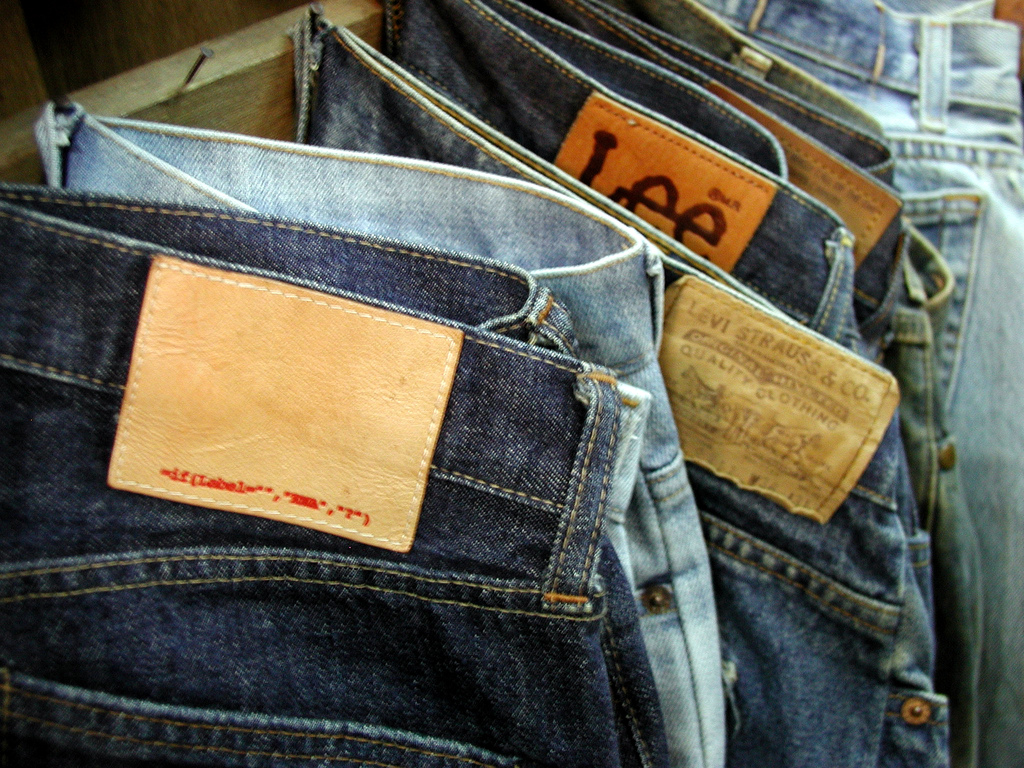
SAIC did not explain how it chose the products that it bought covertly from those six sites, but it covered half a dozen product categories, like mobile phones, children’s toys, cosmetics, and clothing. Not all those categories are relevant to each site, which is why Jumei was only tested with three cosmetics products.
Alibaba’s other major ecommerce marketplace, Tmall, which focuses on larger merchants and major brands, fared a lot better. Tmall scored an 85 percent hit for genuine goods, just short of arch-rival JD’s score of 90 percent authenticity.





Stay updated on the go with our mobile app.
Get latest insights with smoother, more personalized experience through TIA mobile app.