- Premium Content It takes our newsroom weeks - if not months - to investigate and produce stories for our premium content. You can’t find them anywhere else.
 Jofie Yordan · · 8 min read
The price isn’t right: Oil spike fuels risks in SEA’s tech scene
With additional reporting by Elyssa Lopez, Miguel Cordon, and Scott Shuey
Rising oil prices triggered by the ongoing war in the Middle East could quickly drive up operating costs within Southeast Asia’s tech industry.
Energy markets have surged since the closure of the Strait of Hormuz, a key shipping route for global oil supply. Some analysts warn that benchmark prices could continue to climb, raising the prospect of US$200 oil.
“The Middle East war is screwing logistics hard in Southeast Asia,” says Philippe Auberger, co-founder of Indonesia-based consulting firm One Logistics Solutions (OLS) and carpooling startup NebengAja.
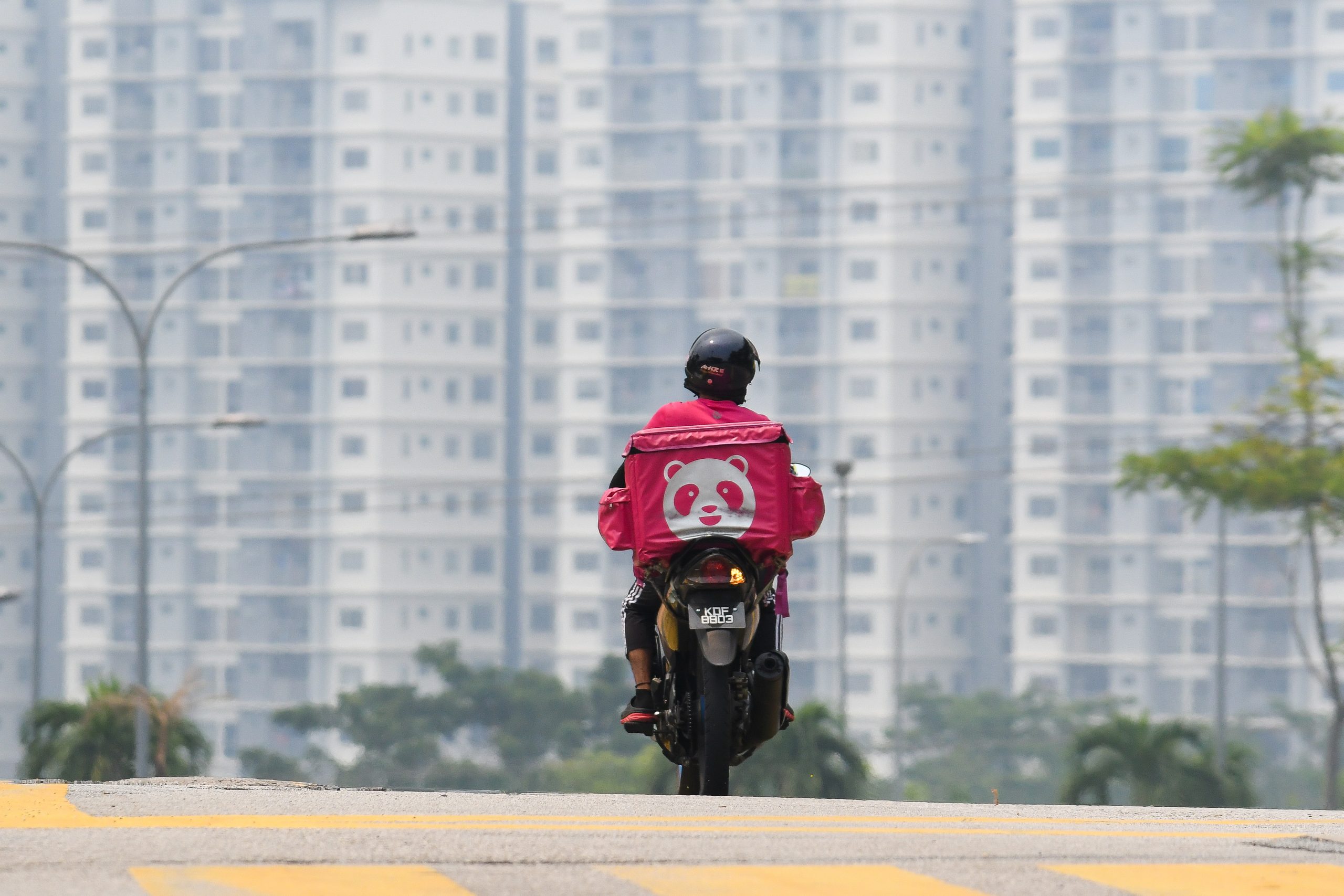
Photo credit: Afif Abd. Halim / Shutterstock
The effects can already be seen across Southeast Asia. Higher fuel costs are pushing up gasoline prices in Singapore, Vietnam, and the Philippines, while Thailand plans to impose gradual increases. Logistics, travel, shipping, and tourism companies are likely to feel the pressure first, with knock-on effects for tech firms relying on these sectors.
“Road transport remains the dominant mode for domestic logistics in Indonesia, so changes in fuel prices quickly affect trucking economics,” explains Auberger, who also worked as CEO of Lazada Logistics in the country.
He adds that fuel typically accounts for around 30% to 40% of variable operating costs in trucking operations. As a result, logistics operators usually need to raise transport rates by roughly 10% to 20%, depending on distance and cargo type, Auberger further notes.
Sea and air transport costs will also be hit, he says. Based on OLS’ estimates, its clients expect operation costs to increase by 15% to 30%. Auberger then points out that shipping a container from Surabaya to Rotterdam via sea freight used to cost about US$2,800 but now ranges between US$3,500 and US$4,200.
Auberger says the chaos in the Red Sea has also forced ships to detour around Africa, adding “weeks and tons of fuel,” which is pushing shipping costs higher.
For third-party logistics (3PL) firms like Indonesia-based Paxel, shipping fees will “certainly increase” if fuel prices rise, according to co-founder Zaldy Masita.
The company and regional 3PL players such as Lalamove and Flash Express say they are still closely monitoring the events. A Lalamove spokesperson also shares that the firm provides fuel discounts to help ease drivers’ operating pressure.
Not a panic situation
Energy pressure on AI
Travel tech disruptions
Stay ahead in Asia’s tech landscape
This is premium content. Subscribe to read the full story.
Rising oil prices could hit the region’s tech sector through fuel, logistics, and data center costs. Here’s what it means.
We know this is not ideal. ⌛ Sign up in 20 seconds. Cancel anytime.
Our subscriber community includes professionals from these companies:





Stay updated on the go with our mobile app.
Get latest insights with smoother, more personalized experience through TIA mobile app.












📅 Upcoming Events
22 October 2026
Payoneer x CSPN Summit 2026