Disconnect is a new weekly column in which Tech in Asia’s Charlie Custer pokes at holes, plays devil’s advocate, or otherwise attempts to rain on the tech industry’s parade.
Drones. What started as a science fiction trope has become a cool tool for film hobbyists and a terrifying weapon for the world’s militaries. But the real potential for drones is in ecommerce, or so many people in the tech industry have been saying. And ecommerce companies are listening, too. In the West everybody from Amazon to Wal-Mart is looking into drone delivery, and here in Asia Alibaba and SingPost have already conducted drone delivery trials. It all looks very cool.
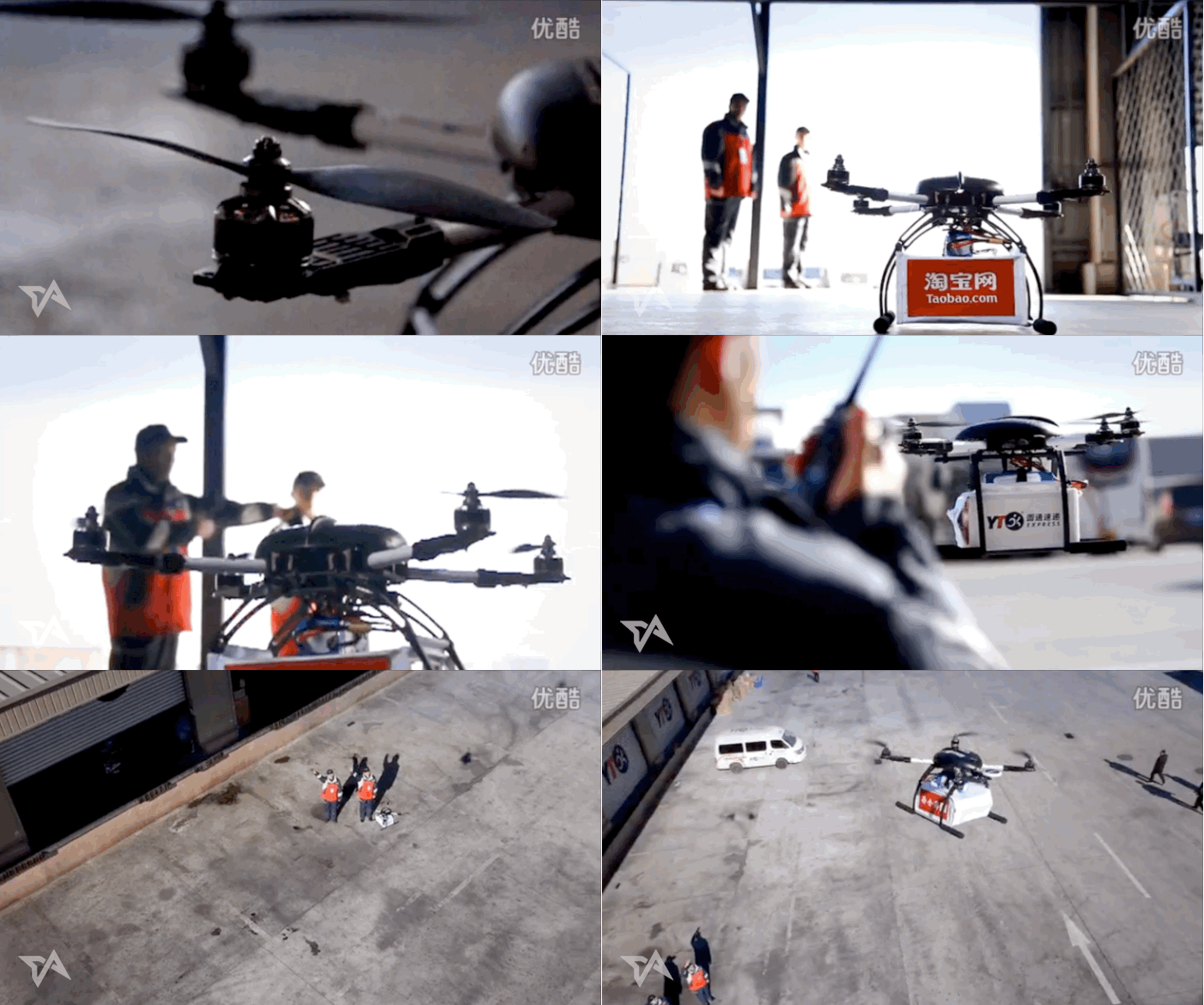
But the simple fact is that wide-scale drone delivery isn’t happening any time soon. And by “any time soon”, I mean “ever.” Sure, ecommerce firms will probably start using drones more to get lighter-weight packages to remote locations difficult to reach by car. And they might use drones internally for tasks like sorting and moving products around a warehouse. But this idea that Amazon or Alibaba will be dropping packages at your doorstep with drones? It’s never going to happen. Here’s why.
1. Infrastructure
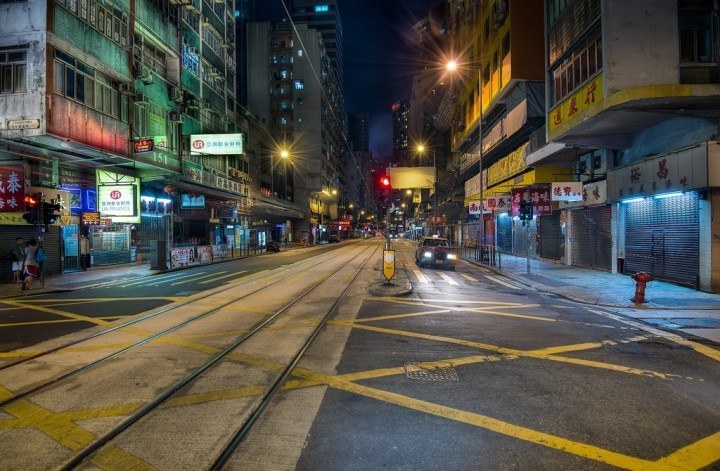
Photo by november-13
Drones have two major advantages over the traditional van-and-driver system of package delivery. The first is that they’re autonomous. The second is that they can reach places roads don’t go. But with autonomous vehicles probably closer to hitting the roads than delivery drones are to really hitting the skies, automation isn’t an advantage for drones – cars will have that too.
Cars do require roads, of course – drones have them there – but the fact is that in most countries, there are roads going to most places. You probably live on a road. It’s probably connected to a network of other roads, bridges, and tunnels, all designed and administered to move goods from one location to another efficiently. There are police on the roads to ensure safety for all, and laws and court systems trained to handle the fallout when things do go wrong. Autonomous delivery cars and trucks can take advantage of all of this easily. The infrastructure is already there; it’s really just a question of getting the software right (and maybe giving the cops some sort of kill switch so they can shut down runaway autonomous vehicles remotely if need be).
In contrast, there’s no infrastructure at all for drone flights. There are no systems in existence to regulate where drones can fly, for example, or deal with the fallout from accidents when they do occur. There is no police force in place that could oversee and regulate drone delivery. All of these systems would need to be built. Legislation and regulation would need to be written. And yes, we could build all this new infrastructure, but we almost certainly won’t bother because…
2. Expense

Getting stuff off the ground is pretty expensive – this is something you’ve probably noticed if you’ve ever bought a plane ticket. Usually (not all the time, but usually) it’s cheaper to drive or take a train. Whether this will always be true depends on a lot we can’t be certain of, like what the source (and thus cost) of energy will be in the future. But we know that broad-scale ecommerce drone delivery would mean delivering much heavier packages than what’s been used in ecommerce drone tests, at much long ranges than what’s been tested. SingPost used a letter and a T-shirt, Alibaba used packets of tea, and both companies ran their tests over very limited distances. But if drone delivery is going to become the norm, then these things need to be able to deliver flatscreen TVs and bed frames and dumbbell sets, and they need to be able to fly for miles and miles. That means bigger, badder drones. What those sorts of drones would cost in an ecommerce setting is difficult to estimate, but the military has drones kinda like that that cost US$2,500 and up per hour of operation.
3. Cities
4. Theft/Damage
5. Complication





Stay updated on the go with our mobile app.
Get latest insights with smoother, more personalized experience through TIA mobile app.