 Jum Balea · · 4 min read
500 Startups just invested in what could be the Philippines’ first unicorn
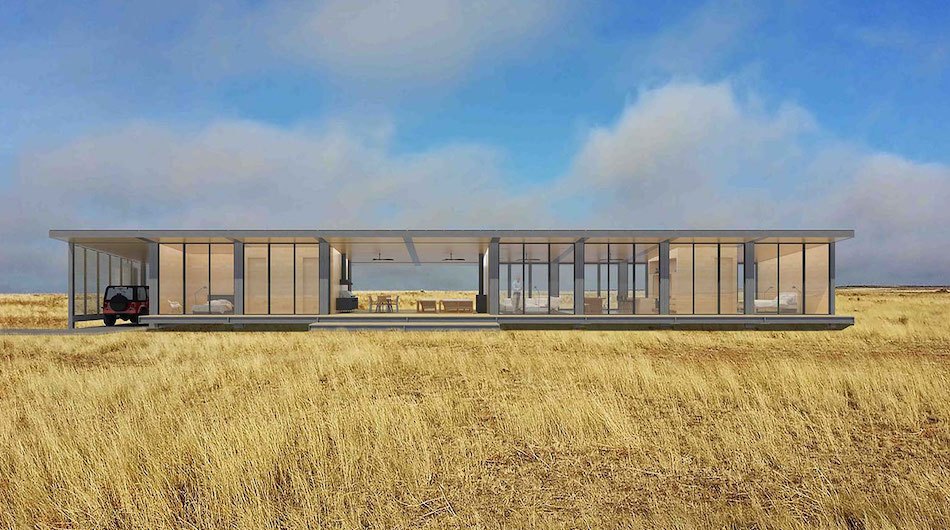
A modular home designed by David Salle. Photo credit: Revolution Precrafted.
Diverting from its overall seed strategy, 500 Startups has made a new investment in Southeast Asia it couldn’t miss out on.
Unlike most of its portfolio startups, Revolution Precrafted wasn’t really raising money and is already on track to achieving unicorn status.
What’s more interesting is that it’s not based in markets like Singapore or Indonesia, which have predominantly figured on investors’ radars. It’s born in the Philippines.
Revolution sells prefabricated homes conceived by dozens of world-renowned architects and designers like Zaha Hadid, David Salle, Tom Dixon, Marcel Wanders, and Lenny Kravitz’s Kravitz Design.
It was founded by Robbie Antonio, whose family has been a formidable player in the Philippines’ real estate industry. A voracious art collector, Robbie is the brains behind US$2.1 billion worth of the family business’ projects that were built in collaboration with big names such as Forbes Media, Armani/Casa, Versace Home, Missoni Home, Paris Hilton, Philippe Starck, and the Trump group.
The prefab homes, priced an average of US$120,000, can be ordered through the company’s site and shipped anywhere in the world in at least 90 days.
“We’re changing the landscape of home building. Now you have the world’s best architects at your fingertips for an affordable price,” Robbie tells Tech in Asia. “We’re applying the home as an art concept as well. They’re collectibles.”
Design democratization
“I’m almost obsessed with design and architecture,” Robbie adds.
Robbie has commissioned his homes and his personal art collection from the world’s top architects and artists. He is among the world’s top 100 art collectors, alongside Franois Pinault, Sheikha Al-Mayassa, Bernard Arnault, Steve Cohen, Leonardo DiCaprio, Miuccia Prada, Paul Allen, Alice Walton, and Wang Jianlin – to name some.
Now he wants to bring his passion to the masses. “I believe in design democratization. It should not just be the upper echelons who should be able to afford great architecture.”
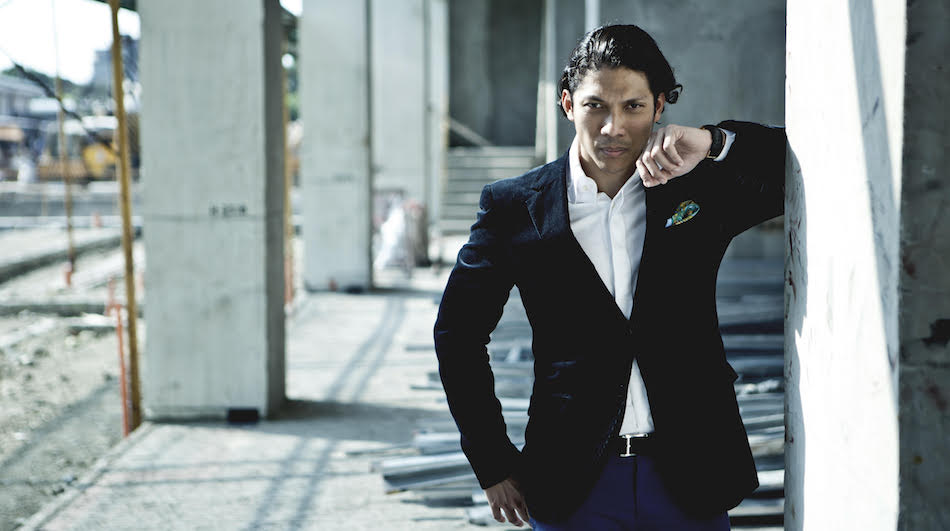
Robbie Antonio. Photo credit: Revolution Precrafted.
Inspired by Airbnb, he says his company is using technology to disrupt real estate. Unlike traditional players, it’s very low on capital expenditures as it doesn’t own land; it’s not forced to sell in particular sites – it ships homes globally; and it gets its cash flow in three months versus three to four years’ turnover time for brick and mortar firms.
A fast-growing business





Stay updated on the go with our mobile app.
Get latest insights with smoother, more personalized experience through TIA mobile app.











📅 Upcoming Events
22 October 2026
Payoneer x CSPN Summit 2026