Nadine Freischlad · · 5 min read
Qlapa, Indonesia’s marketplace for handicrafts, wants to avoid Etsy’s mistakes
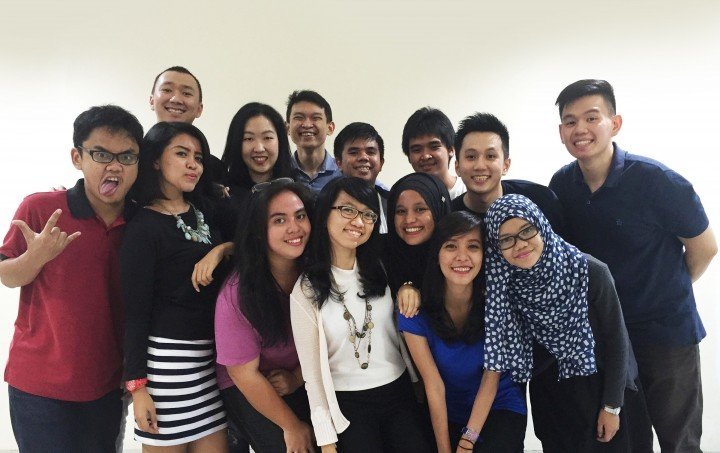
Qlapa’s current team, Benny Fajarai second from right.
Being an entrepreneur was all Benny Fajarai knew. “I guess it comes naturally in a Chinese family,” he laughs. “You don’t think of working with somebody else, you start your own business.”
Benny’s first tech company was Kreavi, a portfolio, job, and competition portal for Indonesia’s creative class. He started it straight out of college in 2012.
Earlier this year, Kreavi reached a point of maturity at which Benny felt it was the right time to hand it over to his investor—an ad agency—so he would be free to focus on another idea.
That would be Qlapa. Benny had started seeing a big opportunity in Indonesia’s handicrafts market. Few local tech companies were tackling this in a dedicated way. Thailand had Bisby and India had Craftsvilla, but despite Indonesia’s strong tradition in handicrafts and artisanal manufacturing, there was no serious online tool to help sellers and buyers in this space.
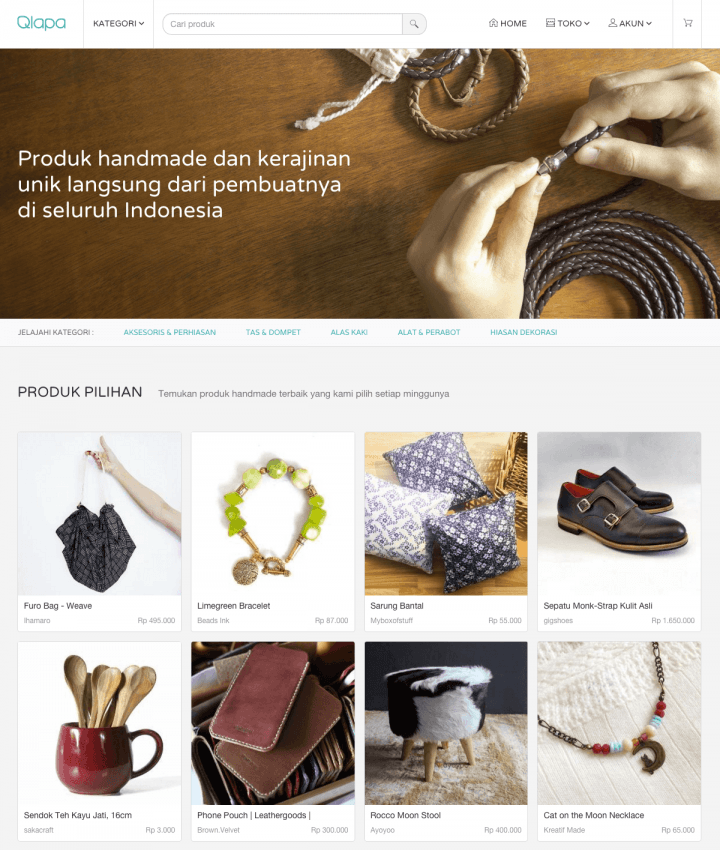
An incoming trend
The market size is enormous, according to Benny. He reckons the domestic handicraft and furniture market is worth US$20 billion. This estimate includes modern household products as well as traditional objects, like costumes or items for worship. “That’s not even considering an approximately US$5 billion opportunity for international exports,” Benny says.
He thinks Indonesia will eventually undergo the same shift toward a new appreciation of ethnic and locally made products that has been happening in the West, and more recently, in fellow Asian countries like Japan and Korea.
Indonesia is strongly influenced by global trends, Benny says. What’s cool in the US and Korea can be expected to make its way to Indonesia eventually.
“Youngsters today see vintage and cultural value as selling points,” Benny explains. “We have bazaars and exhibitions for handmade, unique products now. The perception has changed. Local products are seen as competitive and good, not low quality like in the past.”
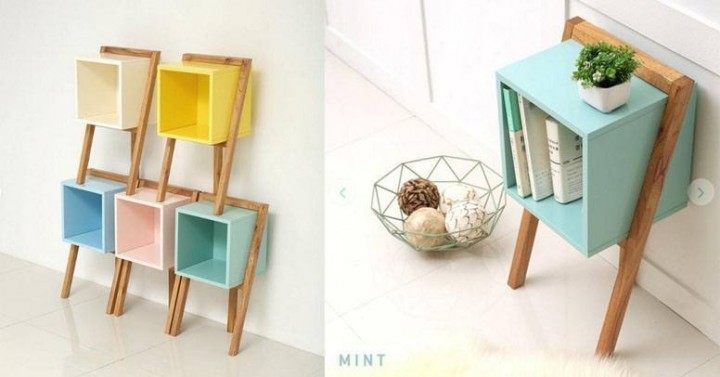
These signs of an incoming long-lasting trend gave Benny the confidence to start Qlapa, along with co-founder Fransiscus Xaverius as CTO. Fransiscus brings a ton of experience to the table, having worked at the likes of Google, Blackberry, Zynga, and Homejoy in the US. He returned home to Indonesia in 2014. He met Benny and the pair hit if off—they sensed that building a site like Qlapa was something they could dedicate themselves to for a long time to come.
Avoiding the Etsy trap
Baby steps
Qlapa’s challenges





Stay updated on the go with our mobile app.
Get latest insights with smoother, more personalized experience through TIA mobile app.