- Premium Content It takes our newsroom weeks - if not months - to investigate and produce stories for our premium content. You can’t find them anywhere else.
 Benjamin Cher · · 5 min read
Who really wins from SGX and Nasdaq’s dual-listing plan
With the Singapore Exchange (SGX) and Nasdaq’s tie-up fast approaching, companies backed by state-linked investors Temasek and GIC may be well-positioned to adopt the dual-listing framework.
The partnership, announced in November 2025 and set to take effect in mid-2026, will allow firms with a market capitalization of at least S$2 billion (US$1.55 billion) to list on both exchanges simultaneously using a single prospectus. This greatly decreases the cost and complexity of a second listing, giving the companies broader access to capital.
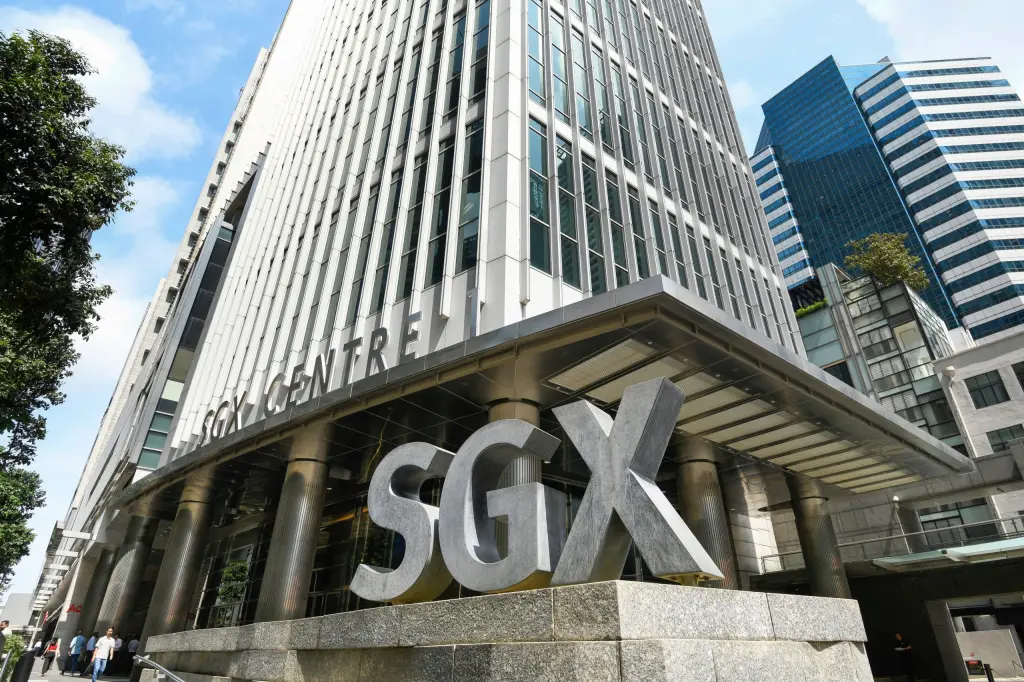
Photo credit: Jack Hong / Shutterstock
Many Temasek-backed startups have long dreamed of a US listing, targeting a larger investor pool and higher valuations. Firms like Grab, Sea, and electric scooter company Gogoro all debuted publicly in the country.
GIC, meanwhile, invests mainly outside Singapore as part of its mandate to preserve and enhance the city-state’s international purchasing power. Its investees, running from tech to consumer to healthcare, rarely see the SGX as a listing venue.
See also: More firms exit SGX amid market headwinds
By reducing regulatory friction, the dual-listing bridge lets companies access both SGX and Nasdaq investor bases in parallel rather than positioning them as competing venues. This move aligns with the evolving profile of Temasek and GIC-backed companies, with the former focusing more on later-stage startups – meaning those closer to listing – in recent years.
It could also lift the SGX after a mixed year that saw the most listings since 2019, even as a flurry of companies considered delisting. Meanwhile, rival Hong Kong Stock Exchange has enjoyed a boom in new listings in recent years.
Barrier to entry
Temasek and GIC portfolio companies are likely to clear the S$2 billion benchmark. That’s because the large investment sizes from state investors often push post-investment valuations into the unicorn range, as seen with fintech firm Nium.
Dual listing is likely to aid Temasek’s broader ecosystem. Temasek-backed 65 Equity Partners, which manages an anchor fund aimed at supporting SGX listings, has unlisted tech startups such as used car platform Carsome and loyalty platform ShopBack in its portfolio.
Such firms would benefit from Nasdaq’s higher valuations and gain a global investor base, while a concurrent SGX listing could help anchor trading liquidity closer to home.
However, industry watchers point out that the market cap threshold would serve as a quality filter for companies seeking to list.
“It signals that the SGX-Nasdaq dual-listing bridge is aimed squarely at issuers with institutional depth, proven governance, and the capacity to sustain liquidity across two major markets,” says Grace Chong, head of the financial regulatory practice at law firm Drew & Napier.
She adds that companies at this size would likely have mature internal controls, experienced management teams used to handling cross-border regulations, and diverse streams of revenue.
Two birds, one stone
Time will tell
Stay ahead in Asia’s tech landscape
This is premium content. Subscribe to read the full story.
The upcoming tie-up sets a high capital bar, one that Temasek and GIC-backed firms are best placed to clear.
We know this is not ideal. ⌛ Sign up in 20 seconds. Cancel anytime.
Our subscriber community includes professionals from these companies:





Stay updated on the go with our mobile app.
Get latest insights with smoother, more personalized experience through TIA mobile app.