Kaya Domingo · · 4 min read
4 critical skills Singaporean employers look for in tech workers

Singapore embraces technology. And through initiatives like the Smart Nation plan, the city-state hopes to harness the power of technology to enhance its offerings and address the everyday problems its citizens face.
The tech sector is especially optimistic about the plan’s impact on the IT job market, expecting it will create new opportunities for tech professionals. Smart Nation will also affect other sectors such as healthcare, transportation, banking and finance, education, and urban solutions. These industries are seeing an increasing adoption of digitized processes as Singapore undergoes a digital transformation.
Given these exciting developments, tech professionals need to focus on certain skills to stay competitive.
1. Coding fundamentals

Photo credit: StockSnap / Pixabay
According to Shiraz Kaderuppan, an information communication technology trainer at the IBM Skills Academy, technological advances are prompting companies to seek individuals who can write code.
Coding proficiency is vital in AI and data analytics – areas that Singapore’s Infocomm Media Development Authority is focusing on to help prepare the city-state for the digital economy. Other areas of focus include cybersecurity, immersive media, and internet of things.
While roles that require a good grasp of coding might not be as prevalent in the job market today, Kaderuppan predicts they “will be more prominent in the industry five to 10 years” from now.
2. Artificial intelligence skills
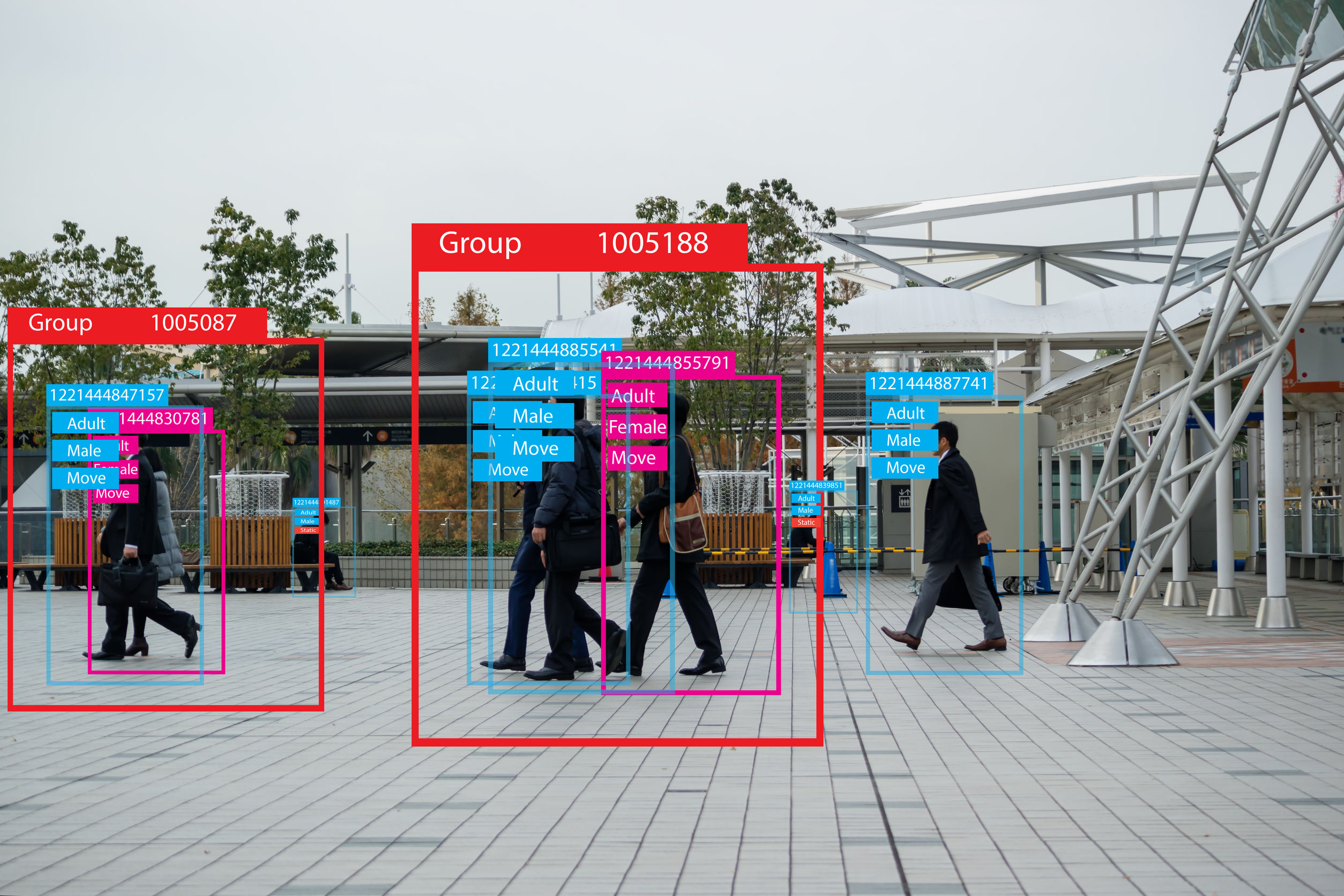
Photo credit: Ekkasit Keatsirikul / 123RF
As Singapore moves toward Industry 4.0, it’s becoming more evident how smart technologies are changing the way Singaporeans live.
“We can’t separate ourselves from AI as it will be an integral aspect of our lives,” says Kaderuppan. “AI, along with robotics, analytics, and data mining, has become more mainstream.”
Enterprises beyond the tech industry have also adopted artificial intelligence to drive growth and efficiency and build their future business models.
As more businesses and industries go digital, tech professionals will need to have operational knowledge in AI and machine learning to carry out their roles. This is why students at the IBM Skills Academy are taught to use systems like IBM Watson, which “incorporates deep learning and algorithms to predict which areas would be useful” in optimizing the performance of enterprises, shares Kaderuppan.
3. Cybersecurity skills

Photo credit: pixelcreatures / Pixabay
In July 2018, Singapore saw the “most serious breach of personal data” as the medical records of 1.5 million patients were stolen. Globally, cybercrimes may be escalating at an unprecedented rate, with damages expected to cost US$6 trillion by 2021.
To combat such imminent threats, new roles in cybersecurity – particularly in security strategy, incident detection innovation, and brand defense – are becoming more critical.
Alvin Lam, an authorized trainer at the IBM Skills Academy, says that employers today seek IT professionals who can handle both hardware and software, look into problems using logic, and adopt a forensic approach to address challenges.
He adds that “skills and knowledge in security intelligence are also needed to collect logs, endpoints, and events to make informed decisions [on whether] to act or not on security breaches.”
4. Soft skills in management and communication

Photo credit: gmast3r / 123RF
Aside from technical expertise, employers in the tech industry also look for soft skills such as management and communication.
Lam shares that tech professionals may “have to manage 80 to 90 vendors at a time” while working on projects. “Employers need people with integrated skills who can manage multiple systems at a time,” he adds. “Individuals with a central holistic view of the enterprise environment are needed to create immune systems for enterprises.”
Furthermore, working in tech often requires employees to work with non-tech practitioners. As such, Kaderuppan emphasizes the importance of being able to communicate well with others who work outside the industry.
Lam agrees, saying that tech professionals should adopt hybrid skills in technology, management, and communications, as well as complementary abilities across different domains.
To develop these proficiencies, Lam recommends “learning from assisting IT job roles, reading books, or attending courses.” It’s also equally important to “stay relevant, get updated with the latest know-how, be aware of your expertise, and understand the value you provide beyond the job description,” he suggests
Kaplan Learning Institute has partnered with IBM to offer its Skills Academy suite of courses, which include programs on AI analytics, security intelligence engineering, business intelligence analytics, and blockchain development. The courses, which provide industry-recognized certifications, answer the needs of today’s digital economy by transforming students into work-ready professionals.
These application-focused courses are also open to those who are not based in Singapore, but only Singapore citizens and permanent residents can receive funding. Those looking to bridge their digital skills gap and stand out from the competition can visit Kaplan’s website to learn more.
Stay updated on the go with our mobile app.
Get latest insights with smoother, more personalized experience through TIA mobile app.
Recommended reads
 Indonesian AI startup goes global
 Forrest Li on scaling Sea, building smarter bots, and founder grit
 An AI assistant that joins sales calls and scores team skills
 Beyond the check: Why VCs need more than capital
 SGX’s CEO says it doesn’t need a unicorn to win
 SMEs want AI too, but not the kind Big Tech is selling
 Oatside’s alt-milk rise hits a profitable gear
 Alibaba’s financial health in 12 charts
 Asia’s telcos bundle AI into mobile plans. Will it pay off?
 M-Daq chases bigger clients as revenue falls, losses grow





Editing by Nathaniel Fetalvero, Charmaine de Lazo, and Eileen C. Ang
(And yes, we’re serious about ethics and transparency. More information here.)