C. Custer · · 3 min read
After years of big 3 dominance, China is about to get a fourth telco
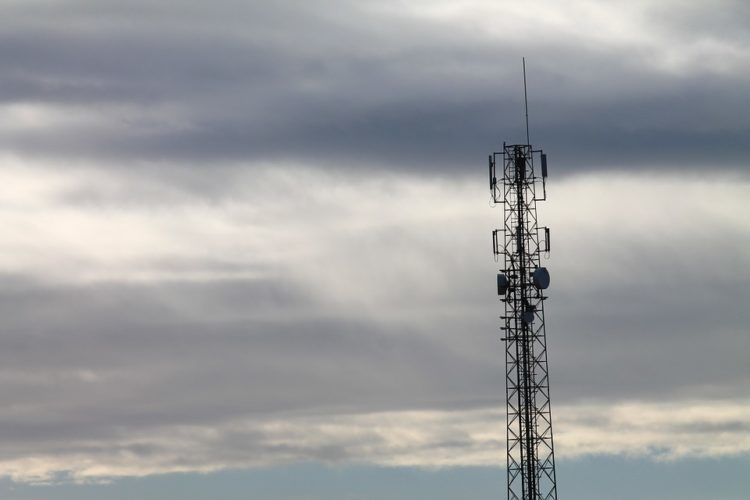
For as long as I can remember, there have been three viable options in China when it comes to mobile, telephone, and internet service: China Mobile, China Telecom, and China Unicom. The “big three” state-owned firms have had an unassailable monopoly on the telecom industry thanks to the fact that no other company could get a license to operate there. China has plenty of smaller mobile carriers and ISPs, of course, but they’re all basically virtual operators that pay to lease access to the network of one of those big three companies.
But now, a fourth player is entering the fray: CBN. CBN – its full name is the China Broadcast Television Network Ltd. Company – is yet another state-owned firm that’s backed by the Ministry of Finance. In what seems to have been a somewhat unexpected move, the Ministry of Industry and Information Technology (MIIT) issued CBN a telecom operator license on Wednesday, giving it legal permission to compete with the big three.
Don’t expect to be getting CBN service for your smartphone anytime soon, though. CBN, it seems, is going to use the license to push forward its “broadband television” plans, so it’s likely to be focused on beating the big three specifically when it comes to providing streaming video content. What that will actually look like is very unclear at this stage.
China’s boring telecom industry could finally be in for a little bit of a shakeup.
As far as why this license has been issued, all we can do is speculate. CBN is administered by China’s State Administration for Press, Publications, Radio, Film, and Television (SAPPRFT) – you might recall them as the rather uptight folks who punished a viral video star for cursing earlier this week. Over the years, SAPPRFT has been struggling to exert more control over the web as more and more people abandoned the traditional seats of its regulatory power: print media and broadcast television. Getting CBN a license might be a move by SAPPRFT to get some of that power back by getting China’s internet users to watch “broadband television” (whatever that means) rather than video streaming services that arguably fall under the regulatory control of other offices.
On the other hand, though, MIIT has traditionally been one of SAPPRFT’s opponents in the struggle over regulatory control of the web. And so many different government bodies have expressed and enforced authority over areas of China’s internet that at this point, it’s tough to say who’s really in control. Certainly, SAPPRFT has been able to accomplish quite a lot of censorship, including online video censorship, without the need for CBN to have a telecom license, so the SAPPRFT connection could be purely coincidental.
Whatever the case, it looks like China’s boring telecom industry could finally be in for a little bit of a shakeup. But China’s internet commenters aren’t particularly sanguine about the outlook. Many see the shadow of SAPPRFT over this news and fear a more carefully monitored and censored telecom connections. Plus, the addition of yet another state-owned company may not change much. “As long as there are no private companies in [the telecom industry], the people will always be getting screwed,” wrote a Beijing-based commenter on Sina Tech.





Stay updated on the go with our mobile app.
Get latest insights with smoother, more personalized experience through TIA mobile app.