 Nadine Freischlad · · 6 min read
Q&A: When grants make sense for startups, and when to avoid them. Experts weigh in.

Photo credit: Pexels.
Booking.com, a global travel aggregator site, part of NASDAQ-listed Priceline Group, runs an accelerator program: Booking.com Booster.
Last week it announced the winner of its first batch: a Singaporean startup called Backstreet Academy. The startup took home a US$450,000 grant. That’s a large sum for not giving away any equity.
Typical early stage venture capital rounds in Southeast Asia aren’t much higher than that. The median size for a seed round in 2016 was US$500,000, according to Tech in Asia data.
GSMA, a global organization of mobile operators, also runs a startup program. It funds selected startups with cash up to US$323,000, equity-free. Indonesian edtech startup Ruangguru was among the winners of its first batch. The organizers are now calling for a new round of applications.
Google’s Launchpad accelerator also gives away equity-free cash, albeit smaller sums. The main value comes in the form of free access to Google services.
The three corporate-led startup grants mentioned above seek applicants from developing countries. In counties with more advanced economies, like Singapore and Korea, startups can apply for a number of government grants for support in various stages of their lifecycle.
But are grants always a good idea? What should startups consider before applying for one? And what’s in it for the grant giver?
Tech in Asia asked David Soukhasing of Angin, an angel investor network in Indonesia that matches startups with different types of capital; Gibran Huzaifah, founder and CEO of agritech startup eFishery, who received grants to start his company, and later on raised venture capital; and Maxime Bayen of the GSMA Ecosystem Accelerator wich operates its startup Innovation Fund – the organization behind GSMA’s grant.
Below are edited excerpts of their responses.
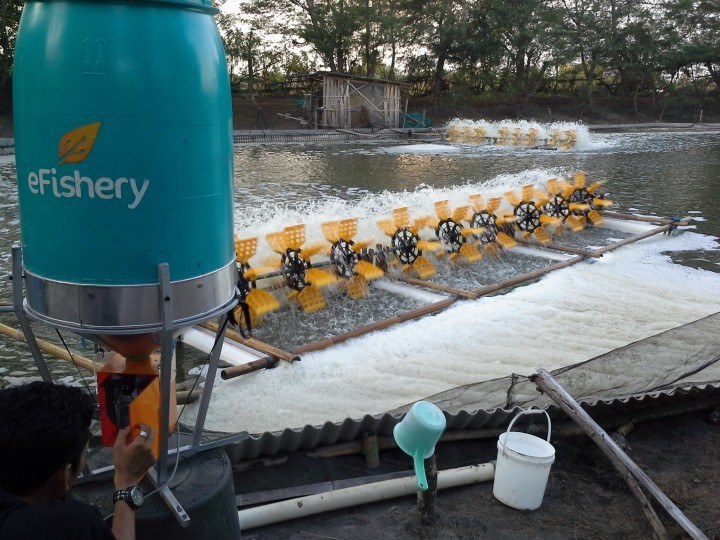
Indonesian startup eFishery developed a smart feeding device for aquaculture. Photo credit: eFishery.
When should a startup consider applying for a grant?
Soukhasing: You must have a clear idea for what existing need the grant money is for. “Hey free money, what can we do with that,” should not be the motivation.





Stay updated on the go with our mobile app.
Get latest insights with smoother, more personalized experience through TIA mobile app.









📅 Upcoming Events
22 October 2026
Payoneer x CSPN Summit 2026