Harsimran Julka · · 5 min read
Zomato CEO on layoffs, retreats, and the suicidal acts of foodtech startups
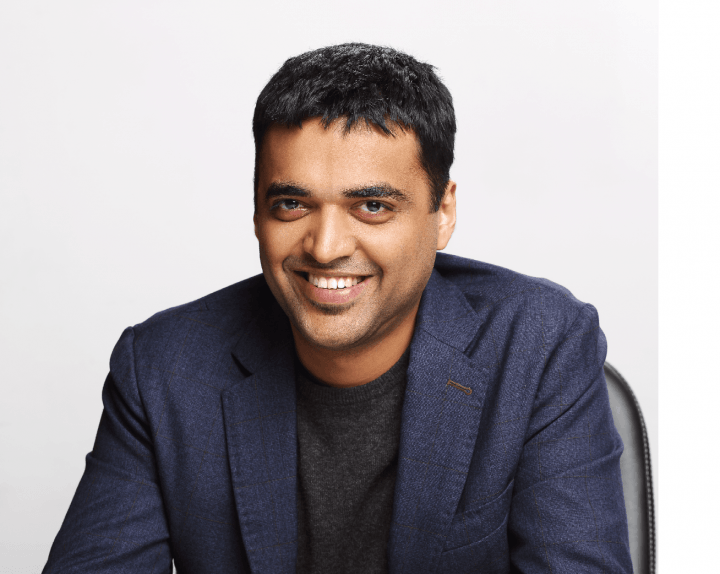
Deepinder Goyal, co-founder and CEO of Zomato, an online restaurant discovery and food ordering application.
Zomato will not play the discounting game. Period. Deepinder Goyal, its co-founder and CEO, is very clear about this. Despite the mushrooming of players in the mass market food ordering space which offer over 30 percent to 100 percent cash back, Zomato won’t budge on discounts.
That’s because, Zomato wants to be the first foodtech startups to break even in India, which has seen a blood-bath in this space, last year.
Add the costs of servers, call centers, and employees, and the loss per order mounts.
The company is valued at just under US$1 billion, at the time of its last funding round of US$60 million. It clocks an average of about 12,000 orders per day and with an average order value of INR 527 (US$7.8). Zomato is amongst the top three startups in India’s online food ordering space, after market leader Foodpanda, which does about 20,000 orders a day.
Swiggy is another big player in the space, which recently raised funding. Several smaller players such as Dazo, EatLo, and SpoonJoy shutdown in 2015. Other players which are hot rivals in the food tech space are Yumist, Faasos, and FreshMenu.
Suicidal to accept orders below US$6
Currently an average order on online food ordering websites in India is for about INR 300-380 (US$4.50 to US$5.60). For players like Yumist and others who own their kitchens, home delivered meals start at US$1.1. But according to Deepinder, accepting an order below US$6 for an online food delivery company is equivalent to being suicidal.
He explains: “For an average order value of INR 300 (US$4.50), the logistics cost comes out to INR 45 (US$0.60). With an average 20 percent commission, a foodtech company ends up making INR 60 (about US$1) per order. Subtracting the delivery cost, the gross profit comes down to INR 14 (US$0.20).”
Add the costs of data, servers, call centers, and employee salaries to it, and the loss per order mounts. On top of it, most companies such as Faasos, Swiggy, TinyOwl, FoodPanda, and Yumist give cashbacks to first-time customers. There is also the online marketing costs which one has to pay Google per download.
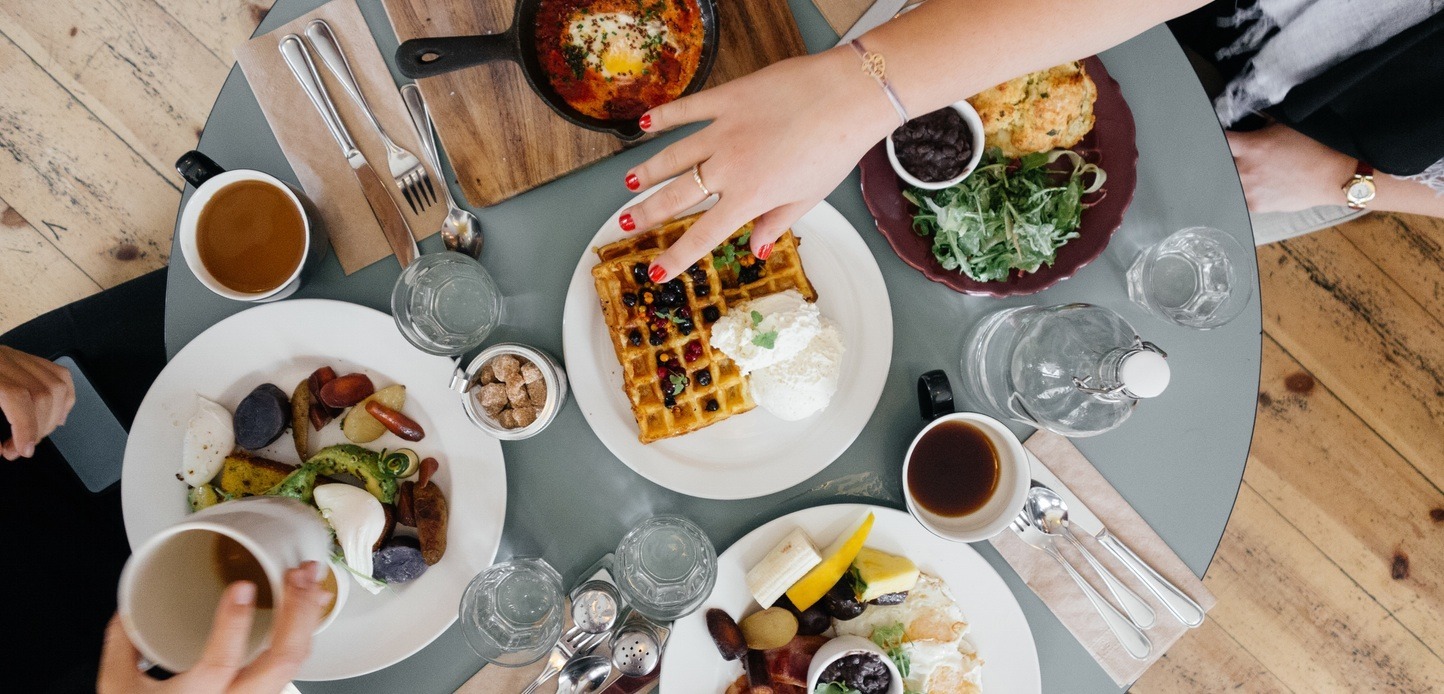
Photo credit: Ali Inay.
“At an average value of an order below a certain threshold, a company will definitely make losses. We don’t want to play that game,” he adds.
Startups which own the entire chain from kitchen to delivery have to spend on petrol, bikes, uniforms, and packaging to keep the food warm. Thus external funding becomes imperative.
Break even in 2016?
So far, Zomato has raised US$223 million in funding from investors, including Info Edge, Vy Capital, Sequoia Capital India, and Temasek.
Retreating from India’s small cities
Acquisitions and layoffs
Southeast Asia on the mind
Was Urbanspoon a costly buy?





Stay updated on the go with our mobile app.
Get latest insights with smoother, more personalized experience through TIA mobile app.