C. Custer · · 3 min read
Xiaomi Founder Lei Jun on the Pressures and Perils of Doing a Startup
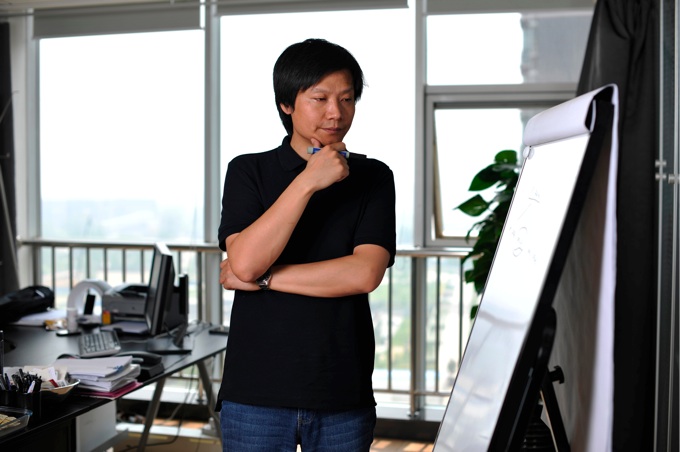
China’s Xiaomi is now widely recognized as one of the country’s best startups; it’s what happens when you take a good idea combined with experienced team and adequate funding and then insert all that into the perfect market environment. The company took in nearly $1 billion in sales revenue in the first half of 2012, and things are still going well today. But as Xiaomi founder Lei Jun writes in a recent column on his Xiaomi adventure, even for an experienced founder and investor, things don’t always look that rosy when you’re just starting out:
Actually, the decision to do Xiaomi was definitely not an easy one, there were a lot of things I was worried about. For example, I was going to do mobile phones and I had never worked in mobile before. Who would believe I was capable of making a mobile phone? Who would be willing to work with me on a mobile phone? What investors would be willing to give money to me to make a mobile phone? These are the questions I was anxious about.
Lei Jun continues:
Perhaps everyone underestimates the psychological pressure. I am also an investor, but the startup failure rate for investors is the same as for first-time founders. Many people might think I have a lot of experience to draw on, but often [if you’re not careful] this experience can be a trap.
Indeed, failure may be an even larger psychological deterrent to those who have successful experience because the expectations for them are so much higher. Of course, this is not to say that a wealthy, successful man like Lei Jun is more courageous than the penniless tech geeks running their startups on bootstrap money and hope. But the pressure, the fear of failure, is powerful even for someone like Lei Jun, who is already at the top of the pyramid (so to speak). If you’re thinking of doing a startup, the psychological effects are definitely something you need to consider. (For more on this, also see Sohu founder Charles Zhang on why money and success hasn’t made him happy).
Lei Jun also makes the point that self-funding your startup can have a big influence on how investors see you. “If I didn’t have the courage [to invest in Xiaomi] myself, how could I convince Zhang Ying or other potential investors?” he asks. Of course, Mr. Lei was already a wealthy man by the time he founded Xiaomi, but the point is not so much about money as it is about demonstrating commitment. If you don’t believe in your own idea enough to put even a little money into it, why should any investor? There can be no half-measures. Whether you’re rich and experienced or poor and green, you’ve got to dive in headfirst. That’s scary, but as Xiaomi’s success (and the success of many other startups) proves, the rewards for your courage can be tremendous.
Lei’s whole piece is worth reading if you can read Chinese, although it’s very long. Or just check out our exclusive interview with him instead.
(iHeiMa via Sina Tech)





Stay updated on the go with our mobile app.
Get latest insights with smoother, more personalized experience through TIA mobile app.