Stefanie Yeo · · 6 min read
Xendit’s building payment infrastructure for SEA – and beyond

Summary:
- Xendit began expanding outside of Indonesia in 2020, five years after it was founded. This allowed the fintech firm to create a robust, flexible technical infrastructure and a strong company culture before scaling regionally.
- The company’s growth has been driven by providing solutions and addressing needs and complexities specific to local markets.
- Xendit’s expansion playbook has two key tenets: putting the right talent in place and prioritizing long-term core objectives over quick, short-term wins.
- Learn more about Xendit and its offerings on its website.
If you’ve spent any time in Southeast Asia’s tech and startup space, you’ve probably heard of fintech firm Xendit, which helps businesses collect payments, make payouts, and manage transactions across markets. Most know it as an Indonesian unicorn that entered the fintech scene in 2015, when the archipelago’s payments landscape was still evolving.
Since then, it has gone from being a local name to a regional one, expanding first to the Philippines in 2020, and then to five other markets in Southeast Asia and Hong Kong. Xendit now works with some of the region’s biggest tech companies such as Grab and Traveloka as well as global players like Meta, ByteDance, Allianz, Levi’s, and Starbucks.
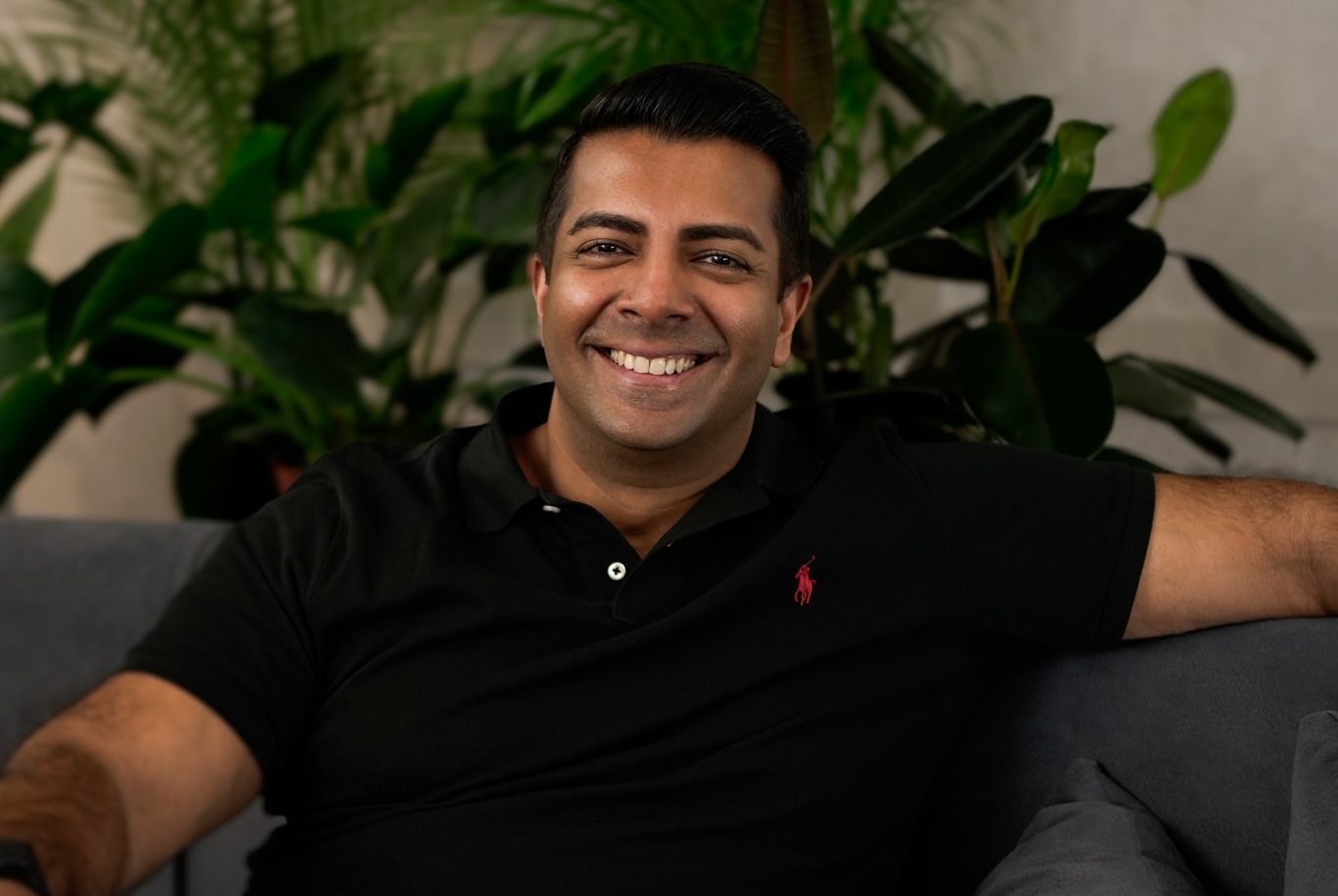
Nazim Ali, president of Xendit / Photo credit: Xendit
“We’ve looked at [expansion] from a very open-minded perspective,” says Nazim Ali, Xendit’s president. “The long-term view for the company was never going to be just one market. But we were also building a company first before doing that.”
Slow and steady
After its launch, it took Xendit five years to venture outside of Indonesia. It was a deliberate decision as the company first focused on establishing a strong foundation at home
“You want to be respectful about what it means to have built something out,” Ali says. “In the first five years, you’re not just building a market, but you’re also building a company. You’re building a tech stack. You’re building a culture. If we tried to do all of that much quicker than what we did, there would have been a breaking point somewhere.”
Xendit chose to concentrate on Indonesia in its early years, which coincided with a dynamic time in the country’s payments landscape.

The co-founders of Xendit / Photo credit: Xendit
Cash was still king back then, but at the same time companies like Ovo and Dana were bringing e-wallets to the scene. Real-time payments and the subsequent arrival of the Quick Response Code Indonesian Standard also changed the way Indonesians paid.
Xendit focused on developing a platform that could keep pace with this rapid evolution, accommodating new and varied payment methods as they emerged. That flexibility would later become important as it moved into new markets.
“That amount of flexibility and versatility means that when you go into a new market, you have that infrastructure in place,” Ali explains.
The right entry points
Having a strong core platform was the first step in Xendit’s expansion. The next was working out where to go and how to combine that infrastructure with the local knowledge needed in each market.
For the former, Xendit had a few considerations.
“One, we listened to regional and global merchants who wanted us to go there,” explains Ali. “Two, our long-term goal is to be the best design partners for merchants looking at Asia Pacific. The Philippines presented an exciting opportunity where the complexity – with over 100 million people, a very large market with a young population, and more mobile phones than you have people – hasn’t been solved for.”
When Xendit entered the Philippines in 2020, it took a two-pronged approach.
First, it bought Dragonpay, a leading local payments company. At the same time, Xendit set up its own business in the country – opening a local office, securing a payments license, and signing up customers directly.
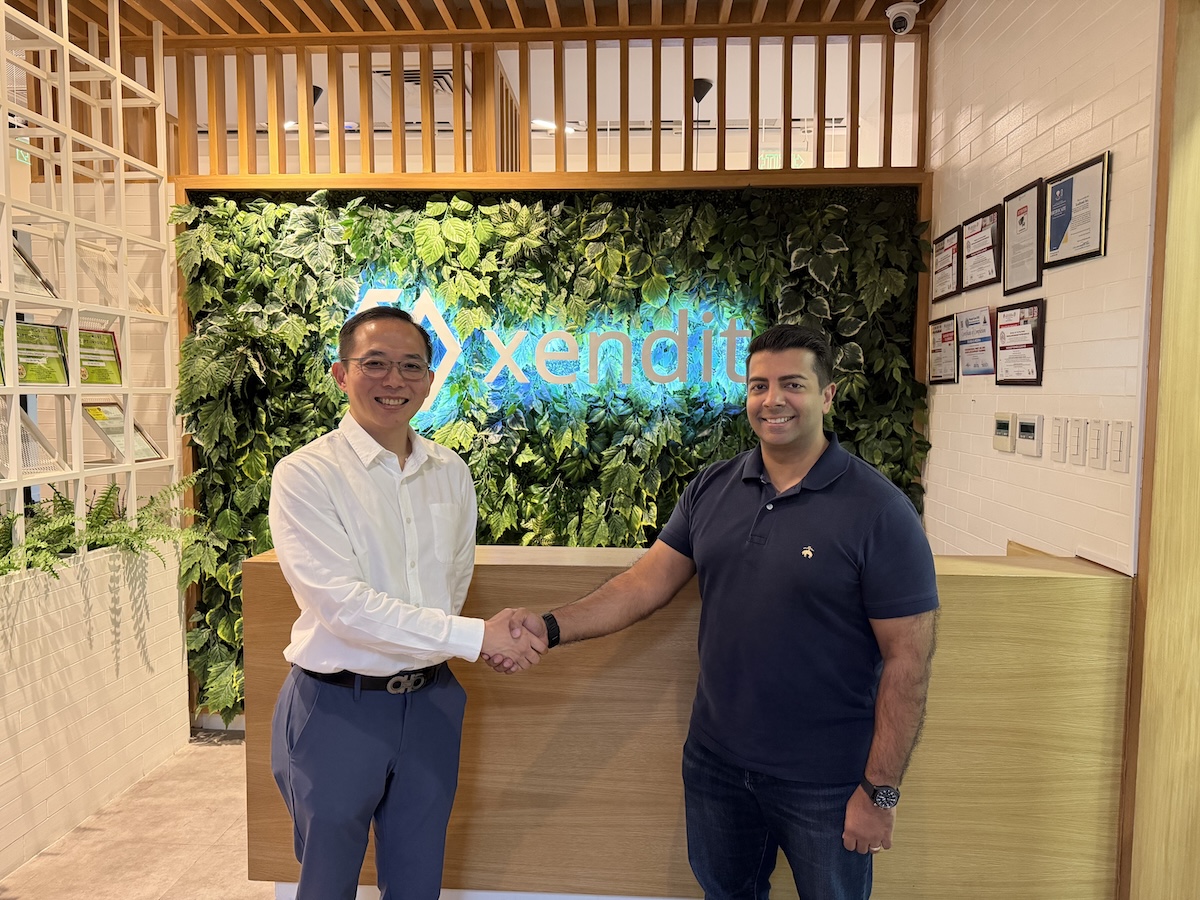
Xendit acquired Dragonpay as part of its expansion into the Philippines / Photo credit: Xendit
Tapping into Dragonpay’s experience enabled Xendit to benefit from the existing payments expertise and infrastructure in the Philippines, and establishing its own operations allowed the company to bring in ideas and experience from outside the market.
“We wanted to take a blend of that,” Ali explains. “The organic part of that expansion is having a fresh pair of eyes. But you also have that operating experience so you’re not going in blind and can be wise about your roadmap.”
Xendit drew on this blended strategy when it entered Malaysia in 2023, investing in and later acquiring payment gateway Payex as part of its expansion process.
People and long-term focus
After setting up shop in the Philippines and Malaysia, Xendit has since entered Thailand, Vietnam, Singapore, and Hong Kong, its most recent market.
Ali says the foundations laid down in Indonesia, together with the experience gained from launching in the Philippines, have allowed Xendit to move faster as it has ventured into more markets.
“If you’ve built a very good core platform, you have the ability to have this compounding return in terms of the muscle you’ve built for international expansion,” Ali shares. “The pace at which you look into new markets can be much quicker.”
Xendit also developed its reputation as a payments company in Indonesia, a tightly regulated market. That track record has helped make conversations with regulators, partners and merchants in new markets smoother.
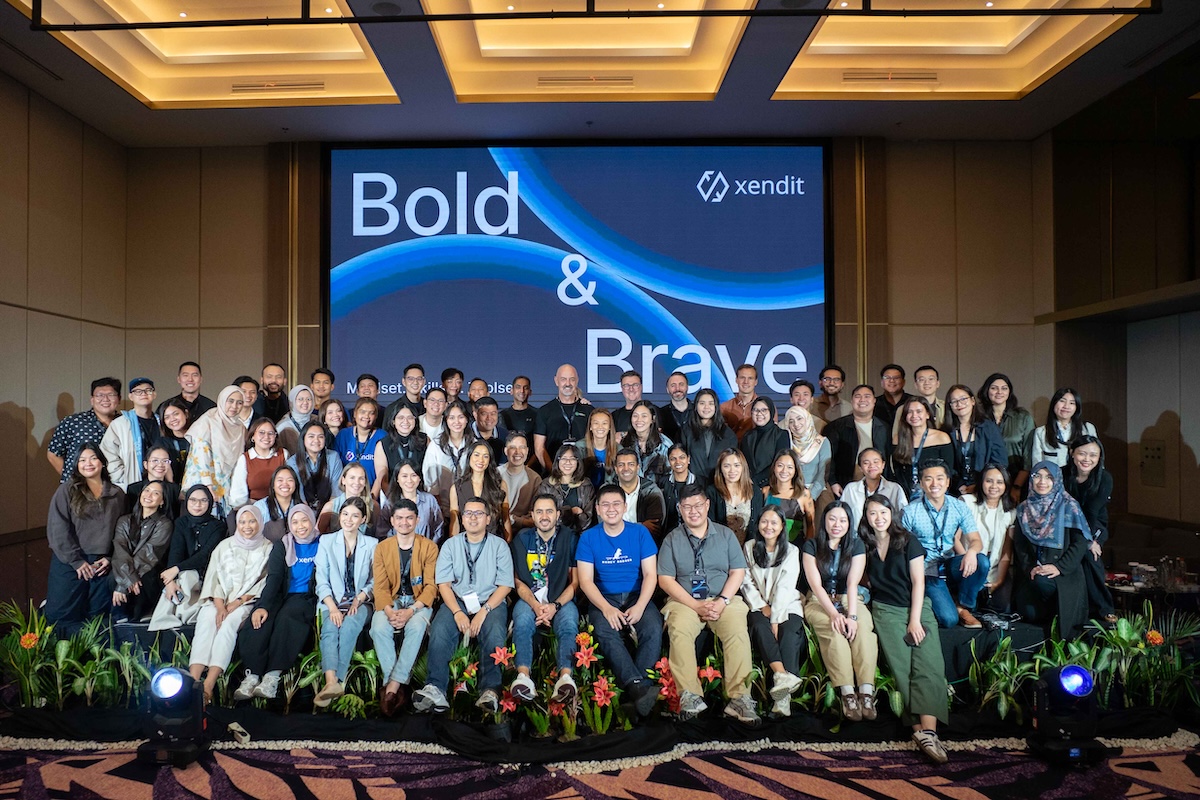
The Xendit team / Photo credit: Xendit
Ali also highlights people as a critical part of the expansion process.
“When you go into international expansion, the people part of it is always going to be critical,” he points out. Finding the right talent matters, but so does balancing the experience of existing employees with the knowledge and perspective of local hires.
The same long-term approach that Xendit took with its expansion journey also applies to what Xendit establishes in each market. Expanding into a new country can create pressure to pursue quick wins, whether that means landing an individual customer, running a pilot or introducing a new feature.
Those opportunities can be useful for learning, Ali says, but they should not distract from creating products and infrastructure that can work at scale.
“It’s a gift and a curse: Did these smaller projects start to become a distraction to our core product roadmap?” he shares. “We started to develop this discipline as we went into new markets, always remembering who we’re building this for.”
The road ahead
Xendit is now in seven markets, but Ali says the journey is ongoing.
“We will look at more markets and continue to go deeper into Asia Pacific,” he shares.
A growing part of the opportunity is helping global companies expand across the region.
“Many of [these companies] see the region as an opportunity but hesitate because of its mix of markets, regulators, and payment methods. That’s the complexity we solve for them,” Ali adds.
At the same time, Xendit is exploring the possibilities of agentic AI, agentic finance and stablecoins as it broadens the capabilities of its payments platform.
“One of the awesome things about payments is how it keeps evolving,” Ali says. “We have this unique perspective of seeing the needs of merchants as well as the needs of payment methods and networks. We’re really excited to play a role in that story.”
Xendit makes dynamic markets accessible by simplifying payments for global companies expanding into new markets and enabling local businesses to grow within and beyond their borders.
Learn more about Xendit on its website.
This content was produced by Tech in Asia Studios, which connects brands with Asia’s tech community. Learn more about partnering with Tech in Asia Studios.
Stay updated on the go with our mobile app.
Get latest insights with smoother, more personalized experience through TIA mobile app.
Recommended reads
 Who pays for AI in your language?
 MoneySmart grows revenue by 26% in 2025, but AI threatens margins
 The truth about AI language models: No one wants to pay for them
 Tracking AI hiring in Singapore: OpenAI, Anthropic, and more
 Korea’s physical AI ambitions meet the factory’s bottom line
 SEA financials tracker: Moladin’s revenue rises 6% in 2025
 On‑demand services lift Line Man Wongnai’s 2025 revenue to $544m
 Flipkart’s costly late push into quick commerce and food delivery
 Inside Singapore’s government team that kills its own products
 Once an IPO hopeful, SCI Ecommerce nears collapse





Editing by Jonathan Chew and Eileen C. Ang
(And yes, we’re serious about ethics and transparency. More information here.)