Jo-Ann Huang · · 5 min read
He quit a $300k job to start businesses. Now his team is tackling the world’s traffic woes
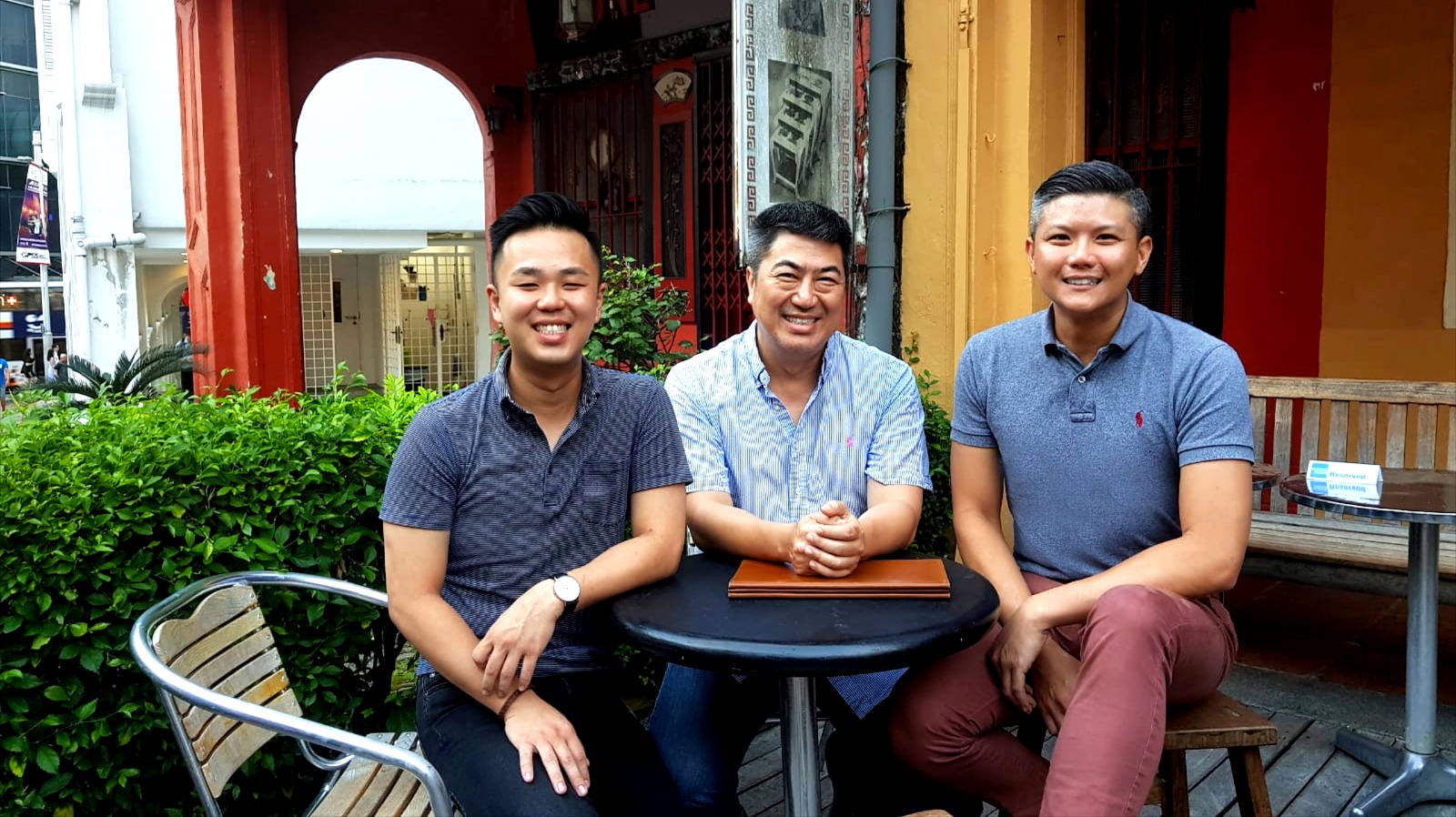
The Qiq team (L to R): Dalston Pung, Ben Lim, Justin Sim
Hanoi is seeking an urgent fix to its transportation problem. The Vietnamese city of nearly eight million people is plagued by traffic jams and the toxic fumes, excessive noise, and frustrations that come with them.
As Vietnam experiences massive economic growth, Hanoi’s burgeoning middle class needs faster and cleaner ways to commute.
Singapore-based transportation startup Qiq Global thinks it can be a solution. The company aims to deliver over 5,000 electric personal mobility devices (PMDs) to Vietnamese cities over the next two years, starting with Hanoi, Da Nang, and Hai Phong.
Fully chargeable in seven minutes, Qiq hopes these rentable vehicles and the docking stations they come with will form a transportation network that could seed a bigger change in Vietnam and the world.
The deployment is part of a business agreement Qiq signed with local partner TPR Invest, an investment and property development firm.
Hard lessons
Ben Lim is Qiq’s co-founder and chief compliance officer. Born in Malaysia, he started his career as a research scientist at IBM in Canada. He was later headhunted by Standard Chartered Bank to run their computer systems in Singapore.
Lim eventually left the bank and his US$300,000 annual salary to strike out on his own. “I’ve always had an entrepreneurial streak,” he says. He started Vcheq, which partnered with global giants like Visa and JP Morgan to create a cross-border payments network.
“It didn’t survive due to the dotcom bust in 2000, and in 2001, we had the September 11 crash,” he says.
Lim moved on to establish OpenWay, a developer of digital end-to-end payment solutions. He sold his stake to his Russian partners and exited the firm. With some capital in hand, he started a series of ventures in Southeast Asia.
One of these was a fleet of electric taxis in Luang Prabang, Laos, in 2011. He chanced upon this opportunity after running a corn farm in the country, becoming a familiar face in the local community.
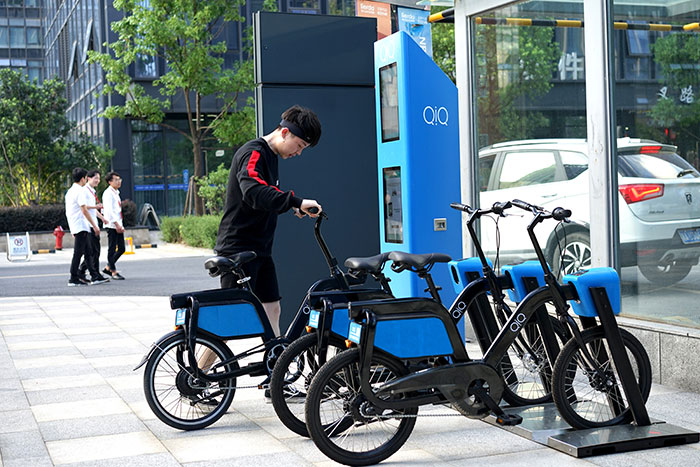
Qiq’s e-bikes / Photo credit: Qiq
“The Laotian government wanted to bring in a fleet of electric vehicles. At that time, I wanted to do something real and tangible, as well as sustainable,” he recalls.
Qiq is no Ofo
Enter the blockchain





Stay updated on the go with our mobile app.
Get latest insights with smoother, more personalized experience through TIA mobile app.