 Nadine Freischlad · · 3 min read
A win for Uber and Grab in Jakarta, but fate in other cities still to be decided
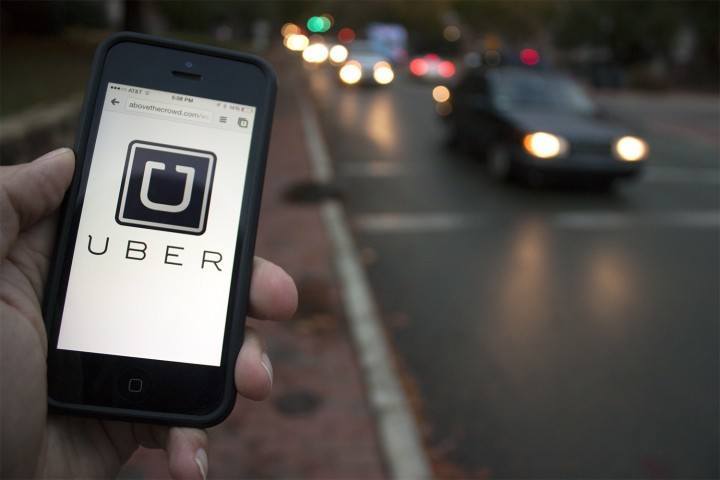
Photo courtesy: Roboticstrends.com
It looks like Uber and Grab are finally finding common ground with Indonesia’s government.
Today, two days after thousands of drivers representing taxi companies and other public transport groups staged a street protest in the capital demanding that on-demand transportation apps be banned because their cars don’t have the necessary licenses to operate as public transport vehicles, the country’s tech minister invited the quarreling parties to work out a solution
The legal status of Grab and Uber in Jakarta is complicated. Some months ago, the companies had negotiated a path toward legality with the municipal government. Uber and Grab agreed to comply to the rules laid out by Jakarta governor Basuki Tjahaja Purnama and Jakarta’s transportation agency – but the process to apply for the a license takes time and involves a number of different institutions.
See: In Indonesia, Uber’s ‘green light’ changes to orange
It’s a step in the right direction, for sure.
This legal gray zone caused complications. The governor reaffirmed his view that licenses must be acquired first. The minister of transportation, Ignasius Jonan, demanded that IT minister Rudiantara block people’s access to the apps in the meantime. Rudiantara declined to go along with what amounted to web censorship.
According to local media, representatives from Uber and Grab yesterday met with Rudiantara, Jonan, and the head of the Jakarta Transportation Agency.
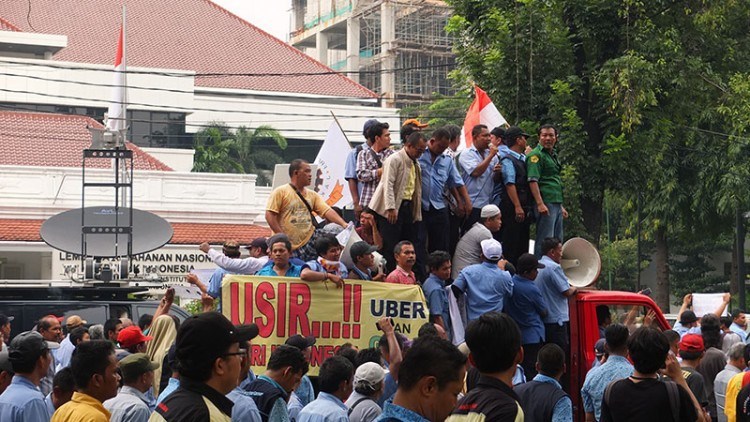
Thousands of public transport drivers came together in protest of Uber and Grab in Jakarta on Monday.
“We need to accommodate both sides,” Rudiantara was quoted as saying by the Jakarta Post.
According to the Jakarta Globe, Rudiantara said his ministry would do its part to speed up Uber and Grab’s efforts to obtain the necessary permits.
The development is good news for Jakartans who have come to rely on ride-hailing apps. “It’s a step in the right direction, for sure,” said Karun Arya, Uber’s regional spokesperson.
What about other cities?
But a long bureaucratic road still lies ahead. If there’s a green light in Jakarta, the message has to trickle down to other cities where Uber and Grab operate.





Stay updated on the go with our mobile app.
Get latest insights with smoother, more personalized experience through TIA mobile app.









📅 Upcoming Events
22 October 2026
Payoneer x CSPN Summit 2026