- Insights This article was written by a TIA community member. Insights pieces undergo the same rigorous editorial process that newsroom-produced articles have.
 Joseph Thia · · 4 min read
Scaling in Southeast Asia is harder than you think
Many times, I have seen founders supporting hockey-stick revenue charts with plans for a regional expansion across Southeast Asia. And eight out of 10 times, the actual numbers will fall short of their expectations down the road.
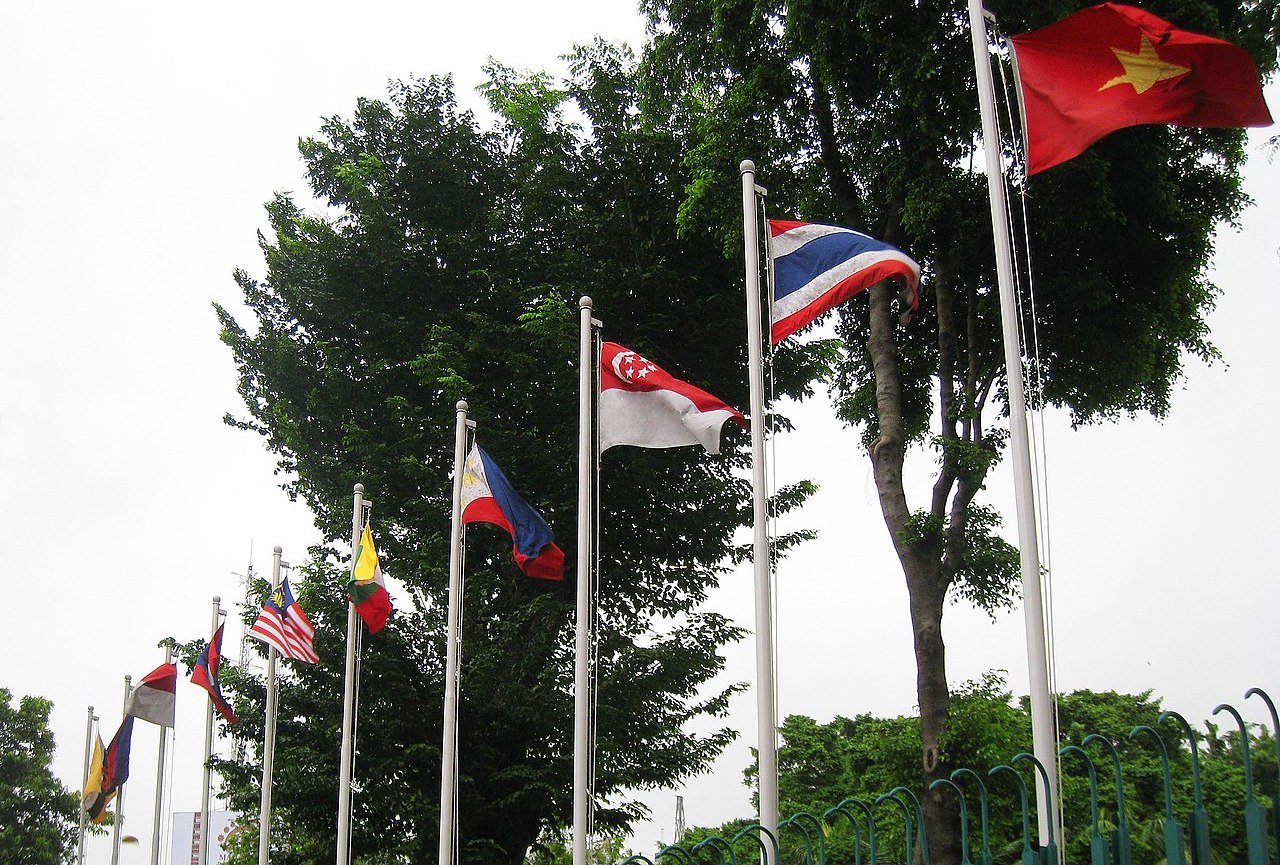
Flags of Southeast Asian countries / Photo credit: Gunawan Kartapranata
The common line in their pitches goes something like this: “We will grow 10x over the next two years by entering Vietnam, Indonesia, and the Philippines!”
Clearly, regional expansion in Southeast Asia is not as simple as hiring new people, opening an office, and translating your product into the local vernacular – all just to plant a new flag in the pitch deck.
What could be the missing ingredient or lynchpin that makes or breaks a company’s regional expansion in the region?
First, let’s take a look at the common pitfalls:
- Startups becoming a victim of success in their home market and creating and fueling a “not invented here” culture
- Expecting international offices to adapt to HQ’s working and communication norms
- Making multiple junior-level hires before proper leadership has been installed, acclimatized, and harmonized with HQ leadership
- Discrimination of international teams through differentiated career ladders and/or salary bands with no localized human capital management function
- Lack of transparency from HQ about OKRs (objectives and key results), strategic shifts, and how resources are allocated between HQ and international teams
- Making a wrong hiring decision for local leadership
For most of the pitfalls listed, it boils down to two mistakes: a lack of empathy and understanding of local cultures and norms, and poor communication dynamics between HQ and international teams.
So how can we minimize, mitigate, or avoid them altogether?
International expansion as a growth mission
(If you haven’t read my previous post on growth teams yet, do read it for some context to this post.)
Once international expansion has been identified and agreed upon as an important growth lever among the C-level and HQ leadership, it should be mandated as one of the growth missions in the company, with the initial OKRs defined.
The early explorers or “SWAT” team will have to be led in person on the ground by a member from the senior leadership – usually a senior vice president, a vice president, or ideally, by one of the co-founders themselves.
I am still not entirely convinced that this can be executed remotely unless you are incredibly lucky to find and hire a country manager who is able to:
- Assimilate into your organizational culture and navigate the working norms.
- Is entrepreneurial and self-driven, with the right level of domain expertise and industry connections.
- Has a growth mindset and does not mind taking on tasks outside the job description while the international team is being built.





Stay updated on the go with our mobile app.
Get latest insights with smoother, more personalized experience through TIA mobile app.