Miguel Cordon · · 3 min read
Will greater local autonomy take Sequoia to new heights?
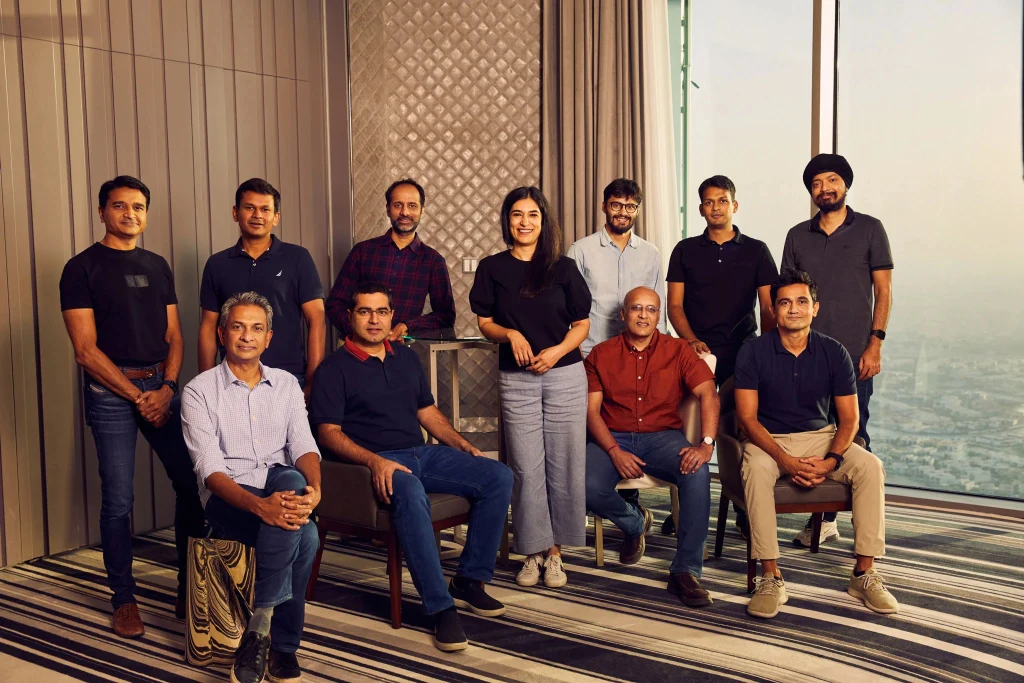
The Peak XV team / Photo credit: Peak XV Partners
Rachel Chitra contributed to this report.
In a surprise move, US-based Sequoia Capital spun off its India and Southeast Asia arm into a separate and fully independent unit. Sequoia India and Southeast Asia also dropped its name, which has been a source of pride for many founders in both regions.
They soon have to get familiar with the new brand, Peak XV Partners. In an announcement, Sequoia said Peak XV – pronounced “Peak Fifteen” – was the original name given to Mount Everest, Earth’s highest mountain above sea level.
Sequoia wants to assure founders that not only can the new entity take startups to new heights, but it can do so with more independence and flexibility.
“Like a startup, it is critical for an investment partnership to move quickly and efficiently while complying with applicable rules and regulations. Operating as independent brands will enable this,” Shailendra Singh, managing director at Peak XV Partners, tells Tech in Asia in an email interview.
A better era?
Over the last 17 years, Sequoia India and Southeast Asia has raised 13 funds to invest in 400 startups, of which more than 50 have been valued at more than US$1 billion. The VC also has 19 IPOs and M&A deals that have generated US$4.5 billion in realized exits under its belt.
While that’s a remarkable achievement, Sequoia has been facing issues including portfolio-related conflicts and financial mismanagement as well as the need to move faster in local markets, according to sources who spoke with Tech in Asia.
Singh agrees that “companies backed by different Sequoia entities will eventually compete with one another, which creates challenges for founders and their teams.”
“Prominent Sequoia India SaaS companies like Druva, Clevertap, Sirion Labs, and Atlan Data have all had this issue, where there is a Sequoia Capital portfolio company that competes with them,” he adds. “Now with separate brands, we are able to avoid this issue.”
Mehul Shah, a partner at Asia-focused startup scaler Hyphen Partners, shared in a LinkedIn post that inter-portfolio clashes can be a real threat moving forward as AI adoption grows and remote working tears down geographical barriers.
“It should be said that these clashes are all born out of the success of these funds, and the strategic separation will allow each entity to maximize its potential,” he wrote.
Besides the potential to avoid internal portfolio conflicts, local autonomy appears to be another major factor behind the restructure.
There were instances where the Sequoia team in India and Southeast Asia wanted to start a local initiative but could not get approval from the US side, a source close to the situation told Tech in Asia.





Stay updated on the go with our mobile app.
Get latest insights with smoother, more personalized experience through TIA mobile app.