- Premium Content It takes our newsroom weeks - if not months - to investigate and produce stories for our premium content. You can’t find them anywhere else.
 Scott Shuey · · 6 min read
SEA’s AI buildout is caught in a global memory squeeze
Cheap computer memory is about to become … well, a memory.
Over the past year, demand for dynamic random-access memory (DRAM) – the working memory of a computer – and storage memory (also known as NAND flash) have skyrocketed.
The culprit? AI data centers.

Image credit: Ulla
Artificial intelligence has changed the economics of the memory business, with hyperscalers such as Microsoft, Google, Meta, and Amazon pushing demand for high-bandwidth memory (HBM) chips to run their AI systems.
The world’s three dominant memory chipmakers – Samsung, SK Hynix, and Micron – have shifted significant production capacity toward HBM, which is a high-performance DRAM chip used in AI data centers.
All three types of chips are produced using the same process, but with demand for HBM spiking, there is less capacity to produce the other two types of memory. HBM is also more profitable to make than the standard DRAM used in smartphones and laptops, and AI firms are willing to pay a premium for it.
For example, SK Hynix, the leading supplier of HBM chips to Nvidia, had sold out its complete capacity for DRAM and NAND flash chips for 2026 in October 2025.
Tom’s Hardware estimates that DRAM prices rose 171% last year. NAND flash prices, which are harder to track, rose between 20% and over 60% in November 2025 alone.
The situation is expected to get worse. According to TrendForce, DRAM contract prices are expected to surge by 90% to 95% quarter on quarter this year, while NAND flash contract prices are projected to shoot up by 55% to 60% over the same period.
Never a good time for Ramageddon
The timing couldn’t be worse for Southeast Asia, which is in the middle of a data center construction boom. Malaysia, Indonesia, Vietnam, and the Philippines are all racing to build AI infrastructure.
Not everyone is feeling the pressure equally. According to the industry insiders Tech in Asia spoke with, neoclouds or smaller AI cloud operators will feel the pressure first. Neoclouds, which rent GPU computing power to AI developers, usually buy materials in lower volumes, which puts them further down the priority list when memory makers are allocating supply.
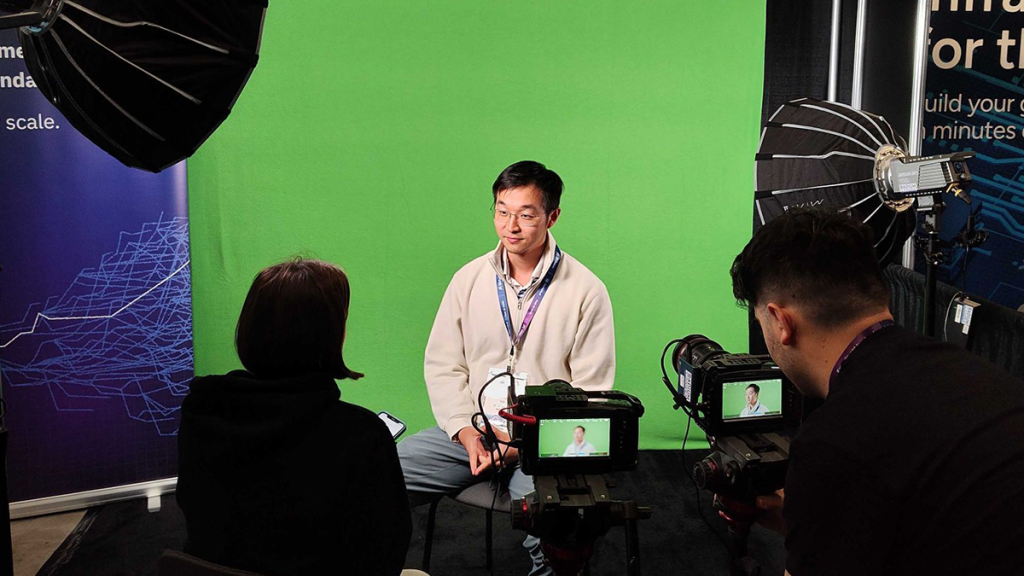
GMI Cloud’s hardware bill climbed between 10% and 30% due to the spike in memory costs, says CEO Alex Yeh (center). / Photo credit: GMI Cloud
Can’t they make more?
Consumer crunch
Stay ahead in Asia’s tech landscape
This is premium content. Subscribe to read the full story.
Big AI is monopolizing memory chips, and the region’s smaller operators are first in line to feel the crunch.
We know this is not ideal. ⌛ Sign up in 20 seconds. Cancel anytime.
Our subscriber community includes professionals from these companies:





Stay updated on the go with our mobile app.
Get latest insights with smoother, more personalized experience through TIA mobile app.











📅 Upcoming Events
22 October 2026
Payoneer x CSPN Summit 2026