 Malavika Velayanikal · · 4 min read
How SAIF Partners closed a new $350 million fund in four days flat

Photo credit: Pexels.
SAIF Partners has just raised a new US$350 million fund dedicated to India. This is the VC firm’s sixth fund and takes its assets under management to US$4 billion.
Two other big VCs active in India have larger funds: Sequoia Capital raised a US$930 million fund last year, its fifth one for India. Accel Partners has also raised five funds for India, its fifth one worth US$450 million earlier this year. But SAIF has chosen to keep the size of its fund at the same level as its previous ones.
“This size helps us to make concentrated, well-thought-through bets,” SAIF Partners’ managing director Alok Goel tells Tech in Asia. At the same time, it is large enough to invest across the range from early to late stages in multiple sectors.
“We don’t adopt a spray-and-pray approach which we might end up doing if we were to raise a billion-dollar fund,” continues Goel. “That kind of approach is not good for the entrepreneurs.”
What’s remarkable is that SAIF raised the new India fund in four days flat. And without getting any new investors in. “We have a handful of global blue chip companies who have been investing with us, supporting us for a long time. We just stick to them. They are very long-term oriented limited partners (LPs) who give us the ability to build long-term funds,” says Goel. “With this new fund too, we didn’t get any new LPs. We went back to our old LPs and it took us just four days to close the fund raise.”
The fund size of US$350 million also helps SAIF give returns on investments in multiples to its LPs. “A larger fund size will mean a lot of perverse incentives to the VCs. It will promote various behaviors which we are not comfortable with,” says Goel.
See: Looking for funding? Here are the 10 most active investors in India
Winners in the stable
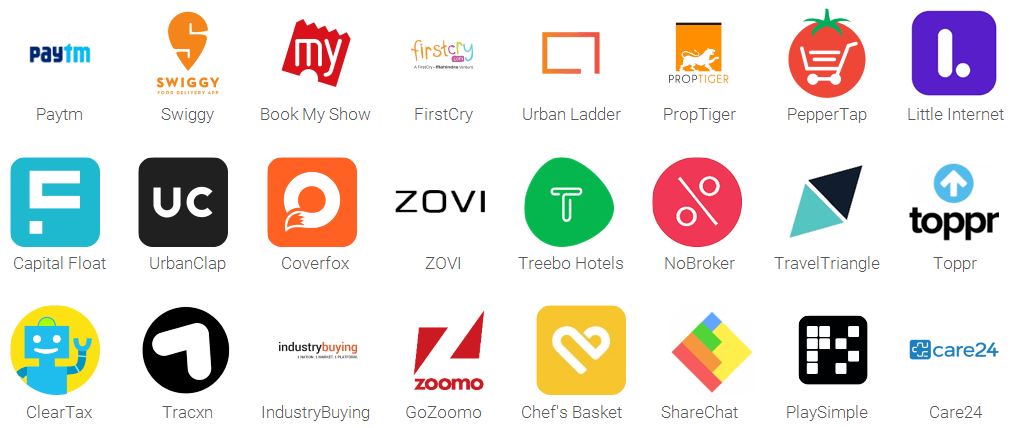
Some of the investments made by SAIF Partners in India. Photo credit: CB Insights.
Big hedge funds burned their fingers in India last year as hyped up projections of growth in consumer internet companies led to business models that paid scant regard for unit economics. A period of correction followed, with many startups biting the dust. The bargain basement sale of payments company FreeCharge to Axis Bank, and the impending one of its parent Snapdeal to rival ecommerce site Flipkart, rings the curtain down on that phase. Funding has picked up again in India this year, with mega rounds for Flipkart and Paytm.
Payments and ecommerce company Paytm, which is backed by Alibaba and recently raised US$1.4 billion from SoftBank, is among the early bets that paid off handsomely for SAIF. Others include leading travel portal MakeMyTrip and classifieds site JustDial.
Among startups on its portfolio which have gained traction are food delivery leader Swiggy, which is currently battling an attack in social media, movie ticketing site BookMyShow, which expanded to Indonesia last year, and logistics startup Rivigo. Hyperlocal services company UrbanClap, alternative loans provider Capital Float, and broking house Sharekhan are other notables.
Goel says SAIF will continue to back ecommerce and travel, but “start thinking more aggressively” about sectors like finance, enterprise SaaS, IoT, healthcare, education, and agriculture.





Stay updated on the go with our mobile app.
Get latest insights with smoother, more personalized experience through TIA mobile app.









📅 Upcoming Events
22 October 2026
Payoneer x CSPN Summit 2026