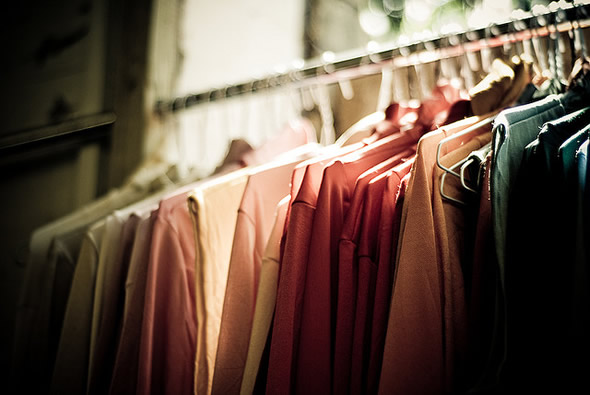
Grow fast, die young?
Does that have to be the mode for every fashion label, asks Carl Thompson, Co-founder of TradeGecko. Meet the former fashion label owner-turned digital entrepreneur who’s set himself a 100 day target to save small fashion labels worldwide.
Five years ago I launched Crowded Elevator, a fashion label in New Zealand. We started with a few boutique t-shirts and within a year we were wholesaling to over 50 retailers across New Zealand and Australia. It looked like the world was waiting for us. Then we died.
Wholesaling is no easy business. It takes a lot of time managing each section of the sales cycle. The administration required to manage inventory, orders, accounts, stockists, manufacturing and errors is completely overwhelming. If you don’t have the systems in place to handle such a workload the administration will kill all passion and ultimately the business, as it did for me.
When things went wrong for Crowded Elevator, I made a promise to myself to understand why.
I’ve spent the last few months calling 200 small to medium sized fashion wholesalers and retailers worldwide and an interesting picture has emerged.
Travis Siflinger from LA based underwear label BR4SS says “The ability to sell, produce, handle logistical challenges & ultimately collect what is owed to you is where revenue is created. Not in simply creating something cool that people like.”
“Stores don’t think to pay, you have to be like a squeaky door, keep hounding them until you get noticed. Cash flow is key at the end of the day.” Says Sam Moore Men’s founder of Sydney based label Dead Castle Project.
He’s not alone. Countless creative people working in our sector confirmed that starting a fashion label is an appealing business. The freedom to create and develop a public following is enticing. But when success comes, it cuts both ways: time and again we heard that the administration required to actually run a fashion label kills all creative passion.
Rick Buissink owner of long running retail store Texas Radio in Auckland, New Zealand has seen his fair share of labels come and go. He agrees that the late payments are standard practice “The poor designer who has had to pay up front for material and labour is now hoping that the struggling retailer who has their stock will pay them, sooner than 90 days! A vicious cycle.”
Creating a few t-shirts for friends seems to be the starting point for would-be fashion heroes and with success selling a couple of hundred, plans to expand soon follow. Growing the business means opening new markets and sales channels. Our young hero must rapidly learn new skills as retail stores quickly jump on the wave. Suddenly the label is faced with huge growing pains.
What was a hobby rapidly needs to become a real business. There are key decisions to make – like whether to sell direct to a niche market, or to become a wholesaler. But wholesaling is about logistics and numbers, not creativity and these are not usually the reasons a fashion designer went into business.
All too quickly, the volume of work involved in managing inventory, orders, manufacturing, fulfillment, returns, not to mention debt collection, can become a nightmare for a small team.





Stay updated on the go with our mobile app.
Get latest insights with smoother, more personalized experience through TIA mobile app.










📅 Upcoming Events
22 October 2026
Payoneer x CSPN Summit 2026