- Premium Content It takes our newsroom weeks - if not months - to investigate and produce stories for our premium content. You can’t find them anywhere else.
 Glenn Kaonang · · 7 min read
Expanding EWA startups are gobbling up debt financing
Three years after Tech in Asia first spotted the trend, earned-wage access (EWA) firms are not only surviving the tech winter but also closing sizable funding rounds.
In June, Malaysia-based EWA provider Paywatch raised US$30 million in its series A round. This comes just three months after its competitor Wagely secured US$23 million in series A funding.
There’s a common theme in these two rounds: credit financing.
For its fundraise, Paywatch revealed that it took in more debt financing (US$16 million) as opposed to equity (US$14 million). While Wagely didn’t disclose specifics about its funding round, it revealed that a “notable private debt fund” participated.
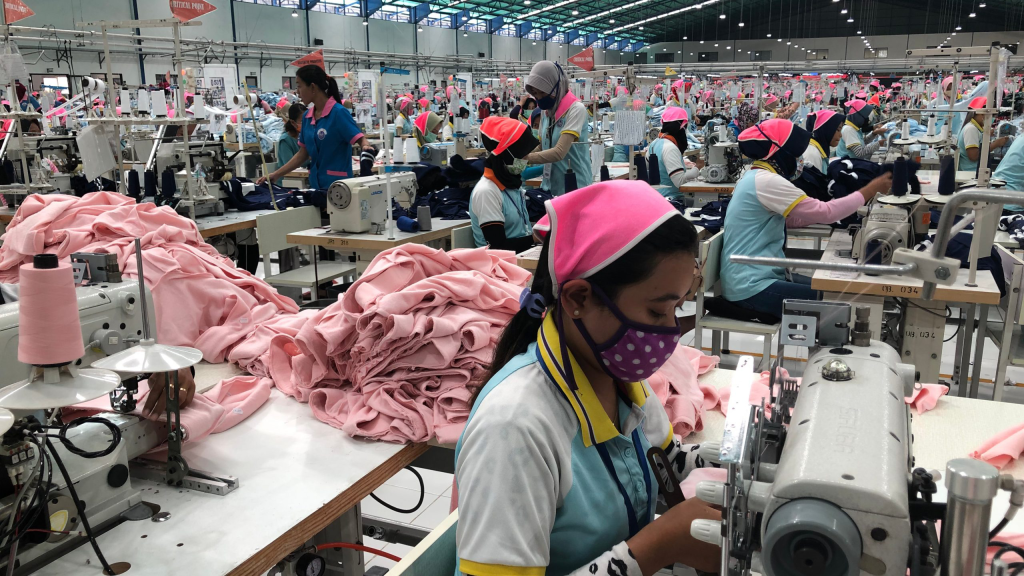
Indonesian factory workers / Photo credit: Shutterstock
EWA companies are on a mission to disrupt the paycheck by providing workers with early access to their salaries. So why are these startups turning to credit financing for their next phase of growth?
Credit where credit is due
EWA providers need credit facilities to ensure they can offer a sustainable product at scale, according to Alex Kim, co-founder and president of Paywatch.
Founded in 2020, Paywatch operates in Malaysia, Indonesia, South Korea, Hong Kong, and the Philippines. The company says that its EWA solution can reduce employee turnover by up to 40%.
Fundamentally, most EWA firms focus on disbursing early salaries and generate revenues from fees, which are either paid by the employees or shouldered by employers. The solution aims to decrease the likelihood of employees relying on loans.
To do this at scale, EWA providers need to have a larger pool of capital. For example, Paywatch said it is disbursing around US$8 million every month and could reach US$120 million in total salaries disbursed by the end of the year.
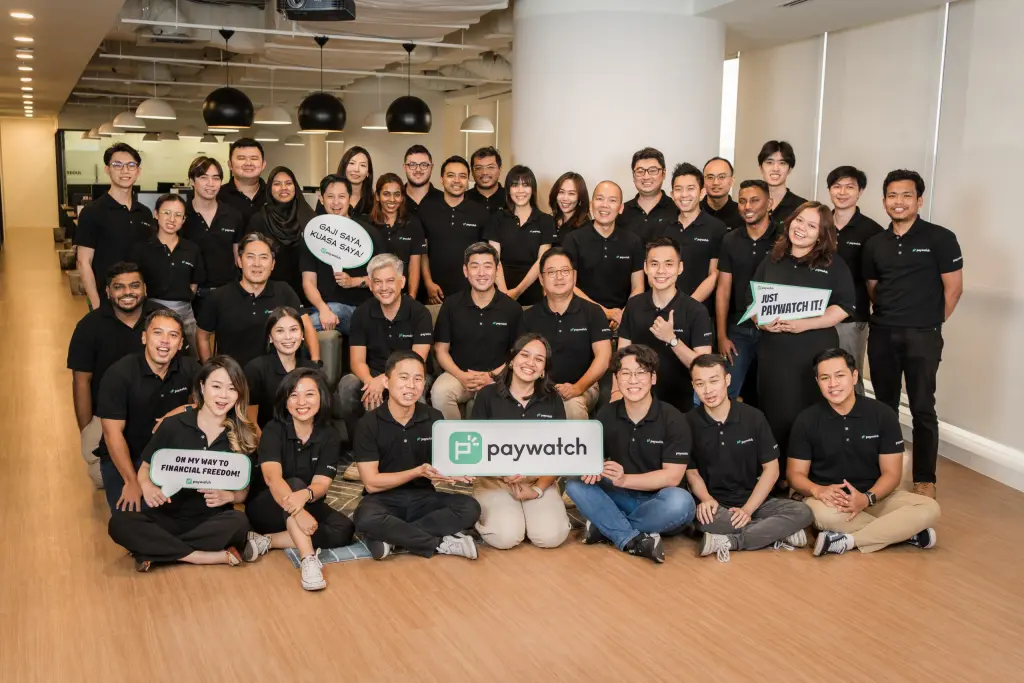
Paywatch team / Photo credit: Paywatch
For Wagely co-founder and CEO Kevin Hausburg, the market has demonstrated that the earned-wage access model works, which makes EWA companies more attractive and less risky to debt providers. He adds that this wasn’t feasible four years ago, as debt providers “needed time to understand the model and to assess the risk profile of EWA startups.”
Most EWA firms in Southeast Asia emerged in 2020 amid the COVID-19 pandemic. Wagely, which serves Indonesia and Bangladesh, said that in 2023, it disbursed over US$25 million in salaries to half a million workers.
Striving for profitability
A super app for workers?
Stay ahead in Asia’s tech landscape
This is premium content. Subscribe to read the full story.
Southeast Asia’s earned-wage access startups have made big bets to go beyond salary disbursement.
We know this is not ideal. ⌛ Sign up in 20 seconds. Cancel anytime.
Our subscriber community includes professionals from these companies:





Stay updated on the go with our mobile app.
Get latest insights with smoother, more personalized experience through TIA mobile app.