- Insights This article was written by a TIA community member. Insights pieces undergo the same rigorous editorial process that newsroom-produced articles have.
 Nathan Thompson · · 4 min read
Why a digital US dollar is good for crypto
This article is part of Crypto Insights, a segment by major crypto exchange Bybit that dives into the latest and most pertinent issues in the crypto space.
In March, US President Biden signed an executive order on cryptocurrencies, setting a 180-day deadline for a series of reports on “the future of money.” The move may decide the country’s financial future – if the government messes it up, the dollar could lose its place as the world’s reserve currency.
It’s all down to stablecoins, which are cryptocurrencies that are pegged to real-life assets, usually the US dollar. The top three US dollar-pegged stablecoins currently have a combined market cap of over US$140 billion, belying their place as the backbone of decentralized finance (DeFi).
For crypto users, stablecoins are safe-haven assets. As most cryptocurrencies trade against them, stablecoins are an easy way to move in and out of investments.
The nightmare of a stablecoin collapse haunts the minds of regulators and crypto enthusiasts alike. Top stablecoin Tether has been dogged by rumors of financial miscreancy while algorithmic stablecoin UST lost its peg briefly last year, when it traded at US$0.96 during a market crash in May. Regulators are concerned because the crypto equivalent of a bank run could spill over and destabilize other markets.
Given these uncertainties, the trust inspired by a central bank digital currency (CBDC) from the Federal Reserve would be a boon for both the global crypto market and the US government.

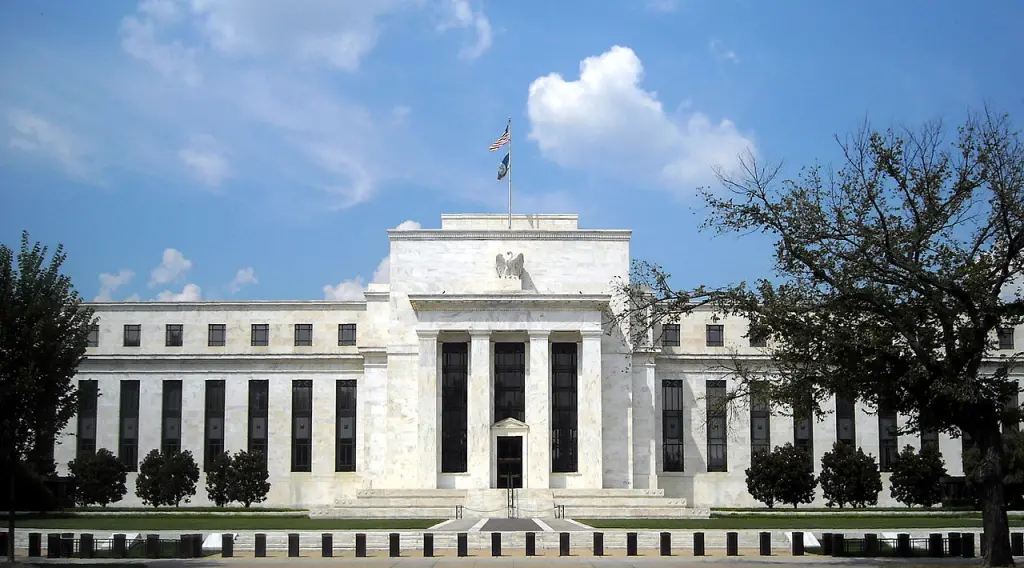
Photo credit: piren / 123RF
A crypto-compatible dollar would be a bedrock asset that could be used as a store of value. It would also offer dollar ownership to unbanked people the world over and provide a convenient way to move money between crypto and legacy systems. Meanwhile, the benefit to the US dollar is simple: becoming the reserve currency of the metaverse.
Crypto is used all over the world and there are “on-ramps” for currencies from the Laotian kip to the Nigerian naira. In countries experiencing high inflation, the ability to purchase dollar-pegged stablecoins is invaluable, while wealthy nations are accustomed to transacting in US dollars.
In short, the world has already voted for crypto’s reserve currency – and it’s the US dollar.
Now it’s up to the US government to step up and offer the world what it wants: a stablecoin backed by the Federal Reserve itself. If it fluffs this opportunity, then it will cede advantage to competitors like China, which are already well underway to developing its digital yuan with, presumably, far less democratic oversight on important issues like privacy. Or there’s a possibility that the world reverts to gold as its reserve currency.
In a January report on the digital dollar, the Fed noted the risks associated with the current crop of stablecoins and said, “A US CBDC could mitigate some of these risks while supporting private-sector innovation.” The report also noted the importance of a CBDC to “preserve the dominant international role of the US dollar.”
It’s a win-win for the US government. A Fed-backed CBDC stabilizes DeFi and the wider crypto markets, and the US dollar keeps its status as the world’s reserve currency.





Stay updated on the go with our mobile app.
Get latest insights with smoother, more personalized experience through TIA mobile app.