- Premium Content It takes our newsroom weeks - if not months - to investigate and produce stories for our premium content. You can’t find them anywhere else.
 Melissa Goh · · 9 min read
What’s next for Razer Fintech after Razer Pay’s demise?
When Razer’s loyal customers ask, the company delivers. After all, the Singapore-born gaming titan, which focuses on millennial and Gen Z gamers, goes to great lengths to maintain its relevance with the in-crowd.
In 2013, a fan of the Hong Kong-listed company jokingly asked it to make a toaster. Years later, a Razer-branded toaster is finally in development. The firm also came forward when Singapore was at the cusp of a digital payments revolution and committed itself to building an e-payment solution from scratch for Singaporeans. Last year, it even applied for a digital banking license to set up the “Razer Youth Bank.”
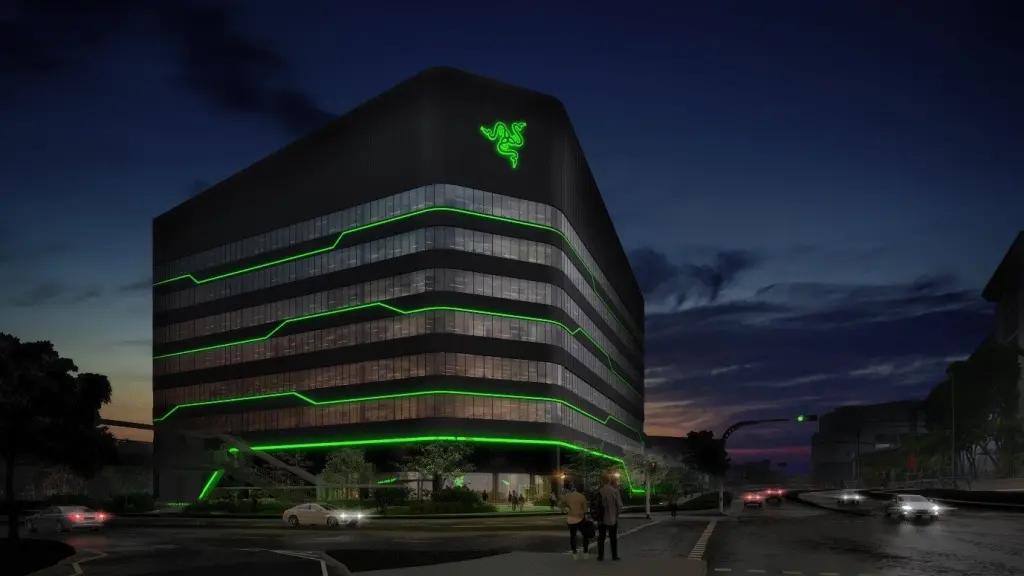
Razer’s new Southeast Asia headquarters in Singapore / Photo credit: Razer
Most recently, when the craze around cryptocurrency was at its peak, the company said that it was “carefully evaluating” a potential entry into the space.
But not all of Razer’s efforts have paid off. Making a mark in its home turf of Southeast Asia has proven to be difficult, particularly when it comes to financial services. The death of its e-wallet Razer Pay in Singapore and Malaysia is a prime example of the company’s struggles in the region.
Razer’s pullout from the e-wallet space this month underscores the challenges that Southeast Asian companies face in trying to build a pan-regional business.
Though the region holds vast potential for fintech as millions of people gain access to digital payments for the first time, navigating regulatory hurdles in each Southeast Asian market has gotten in Razer’s way – as it has for many companies before it. Three years after launching Razer Pay and getting a lukewarm reception, the company is doubling down on more successful segments, particularly its business-to-business (B2B) arm Razer Merchant Services (RMS) and virtual gaming currency Razer Gold.
Within Razer Fintech, which comprises RMS and Razer Pay, the former brought in 95% of the division’s total payment volume of US$4.3 billion last year.
When Razer Pay made its debut in Malaysia in 2018, the firm signed up 600,000 users within the first eight days of its launch. Despite the hype around Razer Pay’s arrival in the two regional markets – it launched in Singapore a year later – the tightly contested digital e-wallet race has posed problems even for the profitable gaming company and its large user base of gamers.
The main goal for any e-wallet service is to spend as little as possible in getting users already in its ecosystem to use the new product, Razer Fintech CEO Li Meng Lee said in an earnings call last week. “If you look at Razer, most of our 150 million users are not in Southeast Asia.” Lee is also Razer’s chief strategy officer.
A majority of Razer’s users hail from the US and Europe, as well as the fast-growing regions like Latin America and the Middle East.
He added that, having a finite amount of capital, the company decided to invest more heavily in its B2B business, where it saw the biggest opportunity.
The fast rise – and fall – of Razer Pay
In stark contrast to the prevailing narrative, Lee told Tech in Asia after the call that Razer Pay was not discontinued because of its poor traction with users. “It was going well,” he says.
What happens to the Razer Youth Bank?
Most prized possession
An eye on crypto
Stay ahead in Asia’s tech landscape
This is premium content. Subscribe to read the full story.
Despite the prevailing narrative, Razer Fintech CEO Li Meng Lee says e-wallet Razer Pay “was going well.”
We know this is not ideal. ⌛ Sign up in 20 seconds. Cancel anytime.
Our subscriber community includes professionals from these companies:





Stay updated on the go with our mobile app.
Get latest insights with smoother, more personalized experience through TIA mobile app.