Paul Bischoff · · 5 min read
New gadget precisely gauges indoor air pollution and finds places with clean air nearby
People in China are more aware than ever of air pollution and its detrimental health effects, and many companies big and small want to capitalize on the trend. New air purifier models enter the market almost every week, but how do you know if they really work?
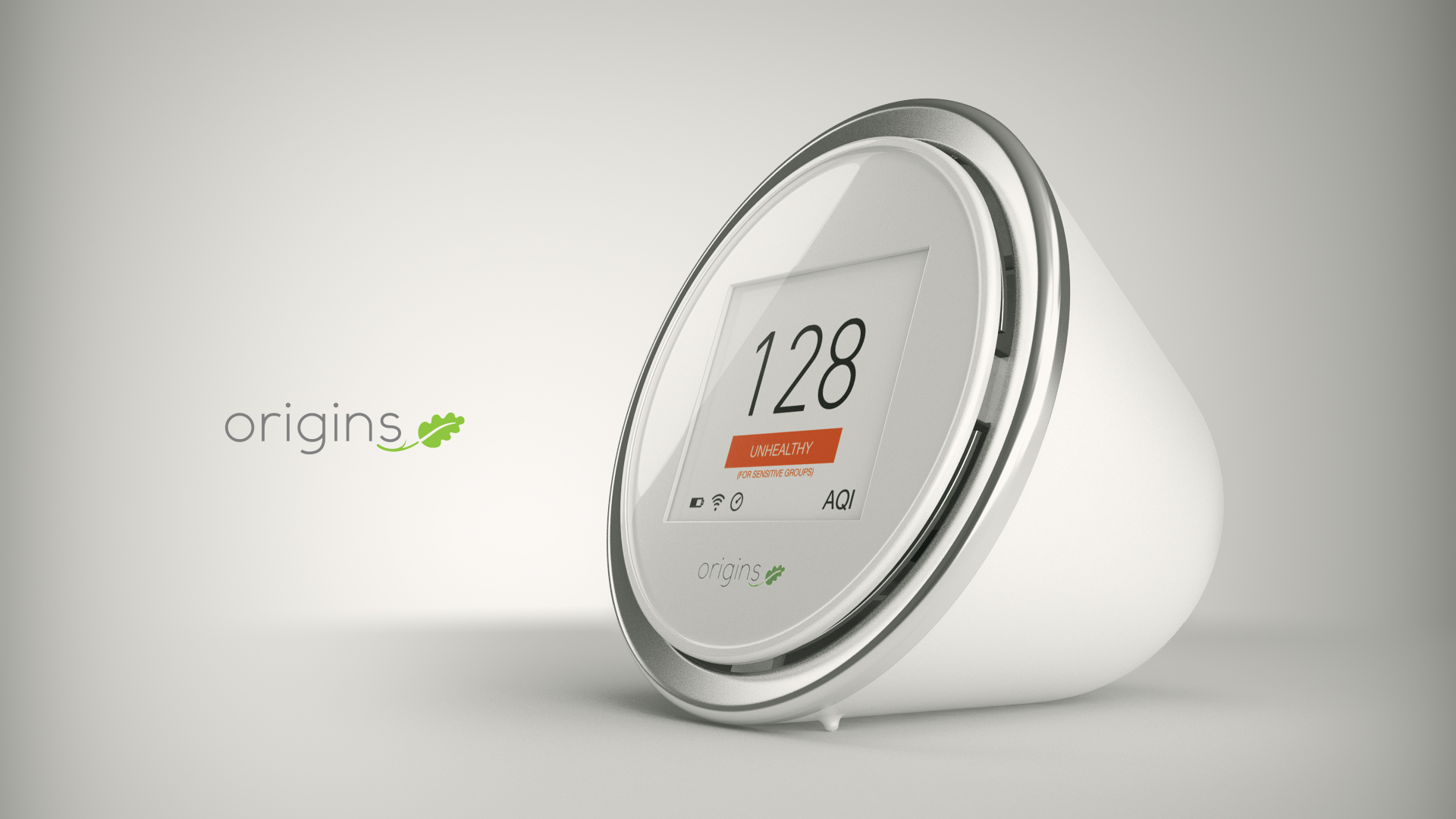
Beijing-based startup Origins Technology today announced the launch of its latest product, the Laser Egg. The stylish air quality meter offers homes and small businesses an accurate way to monitor air pollution, and claims to be the best in its price range. The RMB 379 (US$62) device is battery powered and can easily be picked up with one hand. A simple display on the front shows the current air quality.

Origins partnered with one of China’s most popular outdoor air quality monitoring apps for the launch of Laser Egg, in addition to its own app. The partnership will allow users of China Air Quality Index to view the pollution in their own home alongside the outdoor measurements in their cities.
Furthermore, users of both apps will have access to a map function. Businesses that install a Laser Egg can upload their PM2.5 measurement in real time to the apps so users can look around them on the map for cafes, restaurants, and other places with clean air. The initiative is just getting off the ground, but co-founder Liam Bates says businesses have been extremely receptive to the idea.
"For those that have invested already in air purifiers, they’ll spend a few hundred kuai extra and are able to tell everybody, show off that they have invested, and they do care about the air their customers are breathing. It’s really a no brainer for a lot of places," he says.
Other businesses that haven’t installed air purifiers say they aren’t convinced customers will be able to tell the difference. "But once you can put it on a screen and say right now the air in here is 15 [PM2.5] and the air outside is 300 [PM2.5], then that completely changes everything," says Bates.
Particulate particulars

Particulate matter – the harmful type of pollution residents in Chinese cities are most concerned with – can be measured in three ways. The first and most expensive exposes test paper to the air for a certain amount of time, and then analyzes that paper by blasting it with beta rays. These devices, such as the one installed at the US Embassy in Beijing, are highly accurate, but also quite large and cost around US$25,000. Not exactly an ideal in-home solution.
Many air purifiers have built-in meters that use an infrared beam combined with a sensor to measure the opacity of the air. This solution is cheap, perhaps less than US$10, but is also slow and inaccurate, Bates says.





Stay updated on the go with our mobile app.
Get latest insights with smoother, more personalized experience through TIA mobile app.