
Gaming is big business. The global esports market is predicted to surpass US$1.5 billion by 2023, bolstering the gaming industry as a whole. Total esports viewership is also set to rise to 646 million within the same timeframe, and in 2018, 6.6 billion hours of esports videos were watched – a sharp increase from 1.3 billion hours in 2012.
Clearly, this isn’t a niche market anymore – Street Fighter and Super Smash Bros. are no longer just for weekend overnight sessions with a small group of friends. The audience is large and growing, and corporations and investors are taking notice.
With esports even being categorized as a medal event in the recently concluded 2019 SEA Games, it’s safe to say that acceptance and recognition of the industry and its athletes are at an all-time high.
Of course, this wasn’t always the case.
Early challenges
The industry is fairly nascent, and that’s one of the setbacks it faces.
“Esports is still a relatively new concept in Southeast Asia, especially if you compare it to traditional sports like football or badminton, which have been around for decades,” says Jason Ng, vice president of strategic partnerships at Garena, a digital entertainment platform under regional internet giant Sea.

Jason Ng, vice president of strategic partnerships at Garena. / Photo credit: Garena
Garena previously published games such as League of Legends and Arena of Valor in Southeast Asia and Taiwan. Recently, it has been developing titles in-house: its first one, battle royale Free Fire was the most downloaded mobile game of 2019, beating out heavyweight PlayerUnknown Battlegrounds Mobile. The game also passed the US$1 billion mark in lifetime revenue last year.
The company also organizes successful esports tournaments, though it wasn’t always a smooth process, says Ng. In the early days, even basic logistics was a big challenge. Esports production specialists, shoutcasters, and other talent had to be nurtured from scratch, as there wasn’t a playbook to draw from at the time. Getting players to participate was problematic as well – though not in the way you’d expect.
“When we were running our first international tournaments, we often had to visit the families of the top players to help them understand what esports was about and to [convince them to] allow these players to travel overseas to compete,” says Ng. “There was a common sentiment of ‘Why would people watch someone else play video games?’”
Parents may not need as much convincing these days, as the esports industry now provides players with career opportunities and significant long-term opportunities.
Gaming on the go
The rapid rise in viewership is driving the expansion of esports’ money pie. The global audience base has swelled from 335 million in 2017 to 454 million in 2019, with Asia Pacific accounting for 57% of esports enthusiasts.
The improvement of internet penetration rates, the emergence of video-streaming platforms such as Twitch, and the increasing number of content creators that populate these platforms have all contributed to this growth.
But another factor to consider is the quality of the content that people watch and play. Games that are accessible, affordable, and fun form the foundation of the industry.
According to Ng, mobile games tick all these boxes. The range and quality of such games have improved, with a number of AAA titles like FIFA, Mortal Kombat, and the Call of Duty series being developed or being optimized for mobile play.
The impact of mobile games is significant, even if it’s a relative newcomer to the industry. In fact, it already accounted for 45% of the global games market in 2019.
“It was important that game developers brought games suitable for esports to mobile, which expanded the addressable audience significantly,” Ng points out.
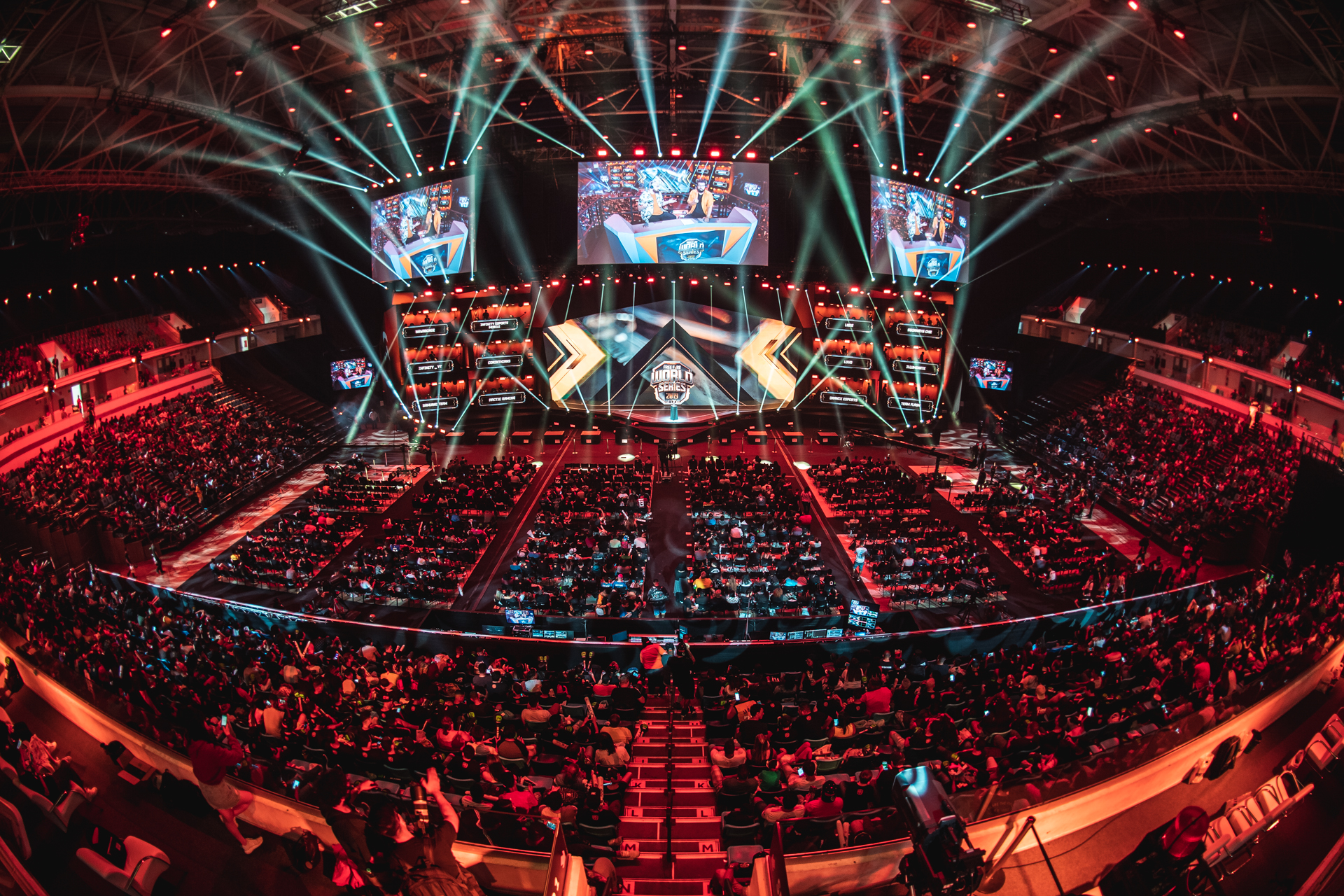
Photo credit: Garena
The popularity of such games is evident in Garena’s events as well. “Our recent Free Fire World Series 2019 finals in Rio de Janeiro, Brazil, attracted more than 2 million concurrent viewers at its peak – a new record for a mobile esports tournament, according to Esports Charts,” shares Ng. The event ultimately got over 130 million online views in total.
Another indicator of the rise of mobile titles was how Arena of Valor, along with two other mobile games, were included in the 2019 SEA Games lineup.
Localization and listening
The lessons that Garena has picked up from playing a pioneering role in the Southeast Asia gaming and esports scene have fueled its successes in the industry.
One thing it has learned is the importance of understanding the needs and wants of gamers in each country in the region.
Being in tune with the local markets helps in cultivating and engaging with passionate gamer communities, shares Ng. For instance, Garena held Arena of Valor tournaments in places where local gamers would naturally gather: pasars (markets) in Malaysia, shopping malls in Indonesia, and even nightclubs in Taiwan.
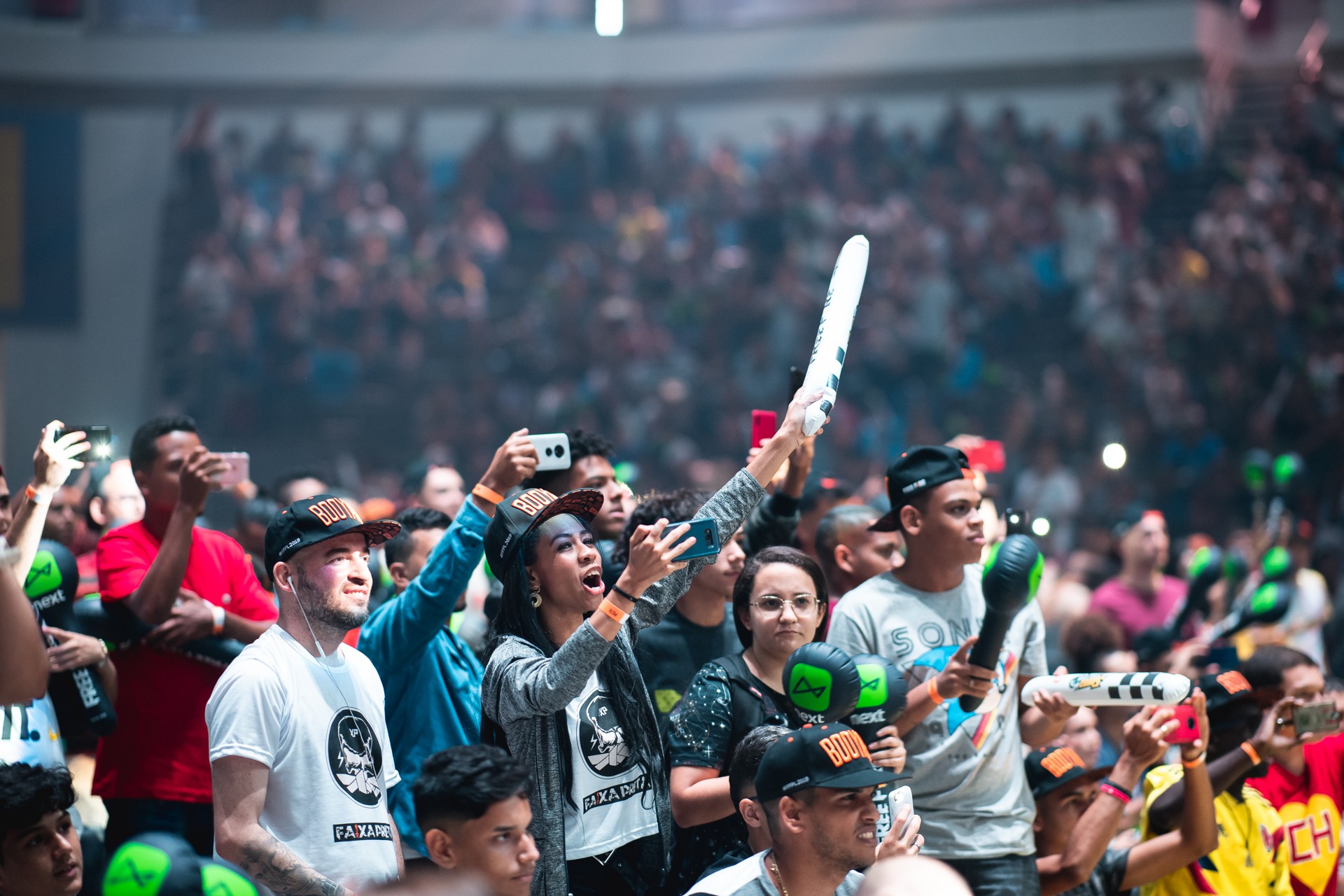
Photo credit: Garena
Localization also plays a big role in the in-game experience. “In Latin America, for example, we organised a Day of The Dead campaign for our Free Fire community in Mexico, where new modes and costumes were themed for our players to enjoy,” Ng explains.
Of course, effective localization stems from listening to what users say as well. For instance, the vice president says that its Free Fire Clash Squad game mode, which was initially an experimental feature, has been made permanent after it received strong positive feedback from the community.
A collaborative and inclusive future
Forecasts show that the industry is on an upward trajectory, and it’s not tapering off any time soon.
For its part, Garena is focusing on further nurturing the burgeoning Southeast Asian market, aiming to organize “even more inclusive tournaments,” says Ng.
“We can expect more collaborations between game developers, publishers, and tournament organisers to improve game interoperability and ensure fair competing standards for players at tournaments,” Ng adds. “Esports governing bodies will also become increasingly involved, designing frameworks to safeguard players’ welfare, standardize competition standards, as well as improve the transparency and integrity of the sport.”
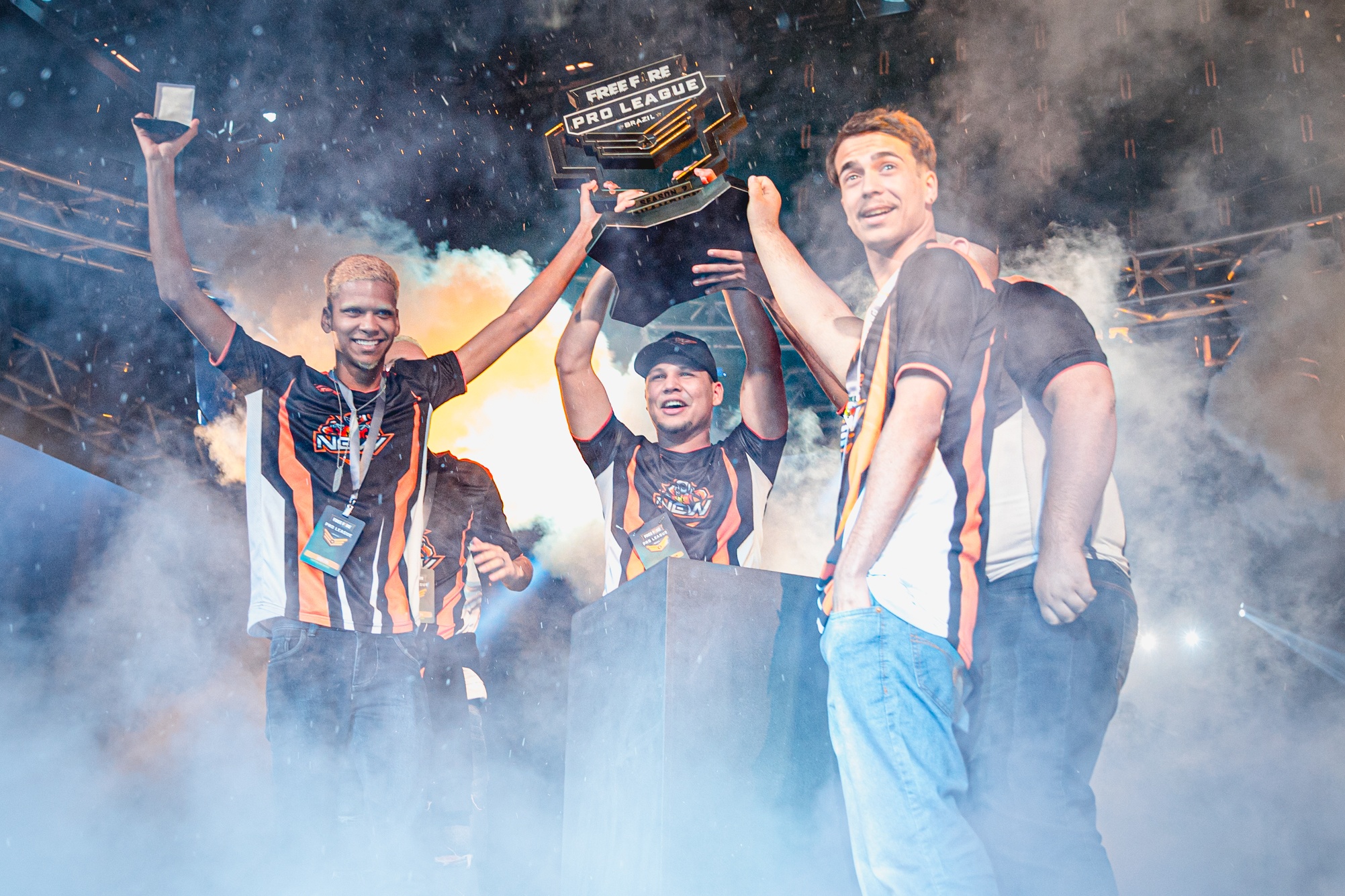
Photo credit: Garena
Government support for the industry is an encouraging sign for the company. Other than the inclusion of esports in the SEA Games, Ng points to the presence of several Indonesian ministers at its event in the archipelago as an indication of the value esports brings to economies at large.
Ultimately, the goal is to create a healthy environment for the gaming world as a whole.
“We’re looking to build stronger and more sustainable esports ecosystems in Southeast Asia and globally,” Ng concludes.
Visit Garena’s website to find out more about the company’s efforts to build a better gaming world.
Stay updated on the go with our mobile app.
Get latest insights with smoother, more personalized experience through TIA mobile app.
Recommended reads
 Polygon, Korea’s Neowiz to build Web3 gaming platform
 SG comedian Mark Lee to launch NFT project
 Binance, YG team up for metaverse, blockchain projects
 Airbnb APAC managing director to leave post
 Binance partners with Italian football club for NFT-enabled game tickets
 Former TikTok gaming boss kicks off new blockchain firm
 Gods Unchained developer makes layoffs, dismisses lead designer
 Polium is making the first console to take blockchain gaming into the living room
 FTX Ventures backs $5.8m round of Line Games’ Web3 gaming platform
 China-based NetEase Games announces new first-party studio





Editing by Jaclyn Teng and Eileen C. Ang
(And yes, we’re serious about ethics and transparency. More information here.)







