 Aditya Hadi Pratama · · 4 min read
Vietnamese social commerce firm bags $1m seed funding to tap into lower-tier areas
Between 2011 and 2014, Trung Huynh was an associate of IDG Ventures, the first tech venture capital fund in Vietnam. In the role, he was able to talk to various ecommerce founders in the country and get a close look at their challenges.
“The customer acquisition cost is high, last-mile delivery is challenging, and cash on delivery is still a popular payment method in Vietnam,” he tells Tech in Asia.
He was aware that social commerce startups had thrived in filling these gaps in other markets like China, India, and Indonesia. However, he didn’t think it made sense for the Vietnam market at the time. That opinion changed drastically when he saw that his 60-year-old mother had to call her neighbor to order a product online and ask that they send the product directly to her house.
“Wow, this is social commerce,” Huynh recalls. “That’s when I thought that maybe it’s the right timing for it and decided to give it a go.”
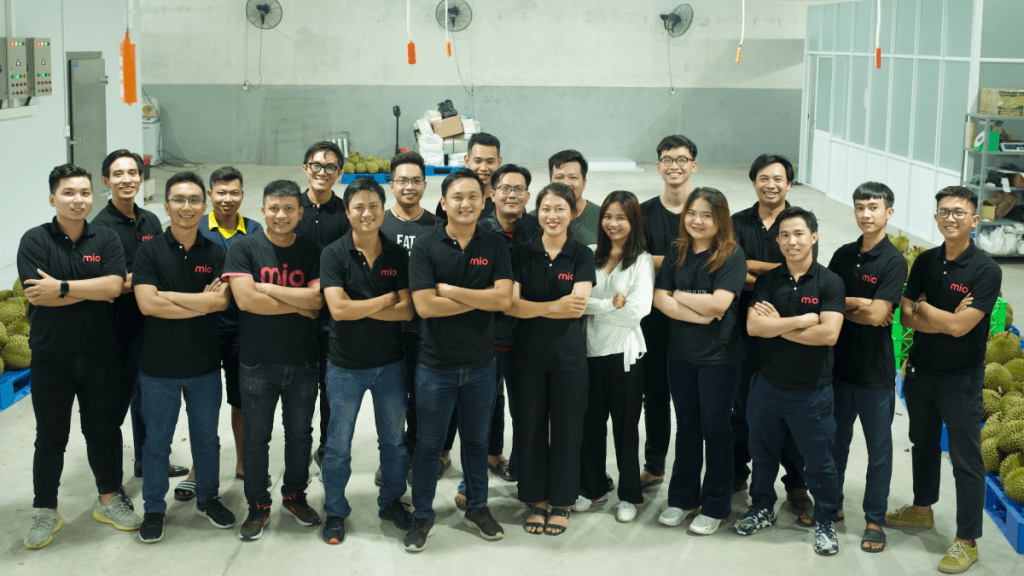
Photo credit: Mio
In June 2020, he founded social commerce firm Mio alongside three other co-founders: former Scommerce co-founder An Pham, ex-DigiPay exec Tu Le, and former Uber Vietnam operations lead Long Pham. Mio aims to build a reseller network where people can sell products to their neighbors, friends, and families.
Today, the company announced it has raised a US$1 million seed round co-led by Venturra Discovery and Golden Gate Ventures. Others participating in the round include iSeed SEA, DoorDash executive Gokul Rajaram, and Meesho co-founders Vidit Aatrey and Sanjeev Barnwal.
The startup plans to expand to five more cities within this year, invest in distribution centers, and hire more people for its tech and product teams. The company also wants to add more personalization options for its resellers and product categories.
Focus on lower-tier areas
Mio focuses on selling fresh produce, such as fruit, vegetables, and meat. According to Huynh, consumers buy these kinds of products in high frequency, and it will increase the quantity of transactions.
“It can also create the habit and educate our users and resellers in the early days,” he explains, adding that Indonesian social commerce firm Chilibeli was one of his inspirations.
In Vietnam, roughly 88% of fast-moving consumer goods still flow through “unorganized” trade outlets such as wet markets and mom and pop shops to reach consumers in the country, according to a report by RedSeer Consulting. Focusing on that segment allows Mio to tap into a market that has not been fully leveraged by ecommerce players. About 90% of the firm’s current customers have never bought any products online, according to Huynh.
See also: A David vs. Goliath battle in Vietnam’s B2B ecommerce sector
The founder admits that managing the supply chain for fresh produce, which typically has a short shelf life, is really challenging for the business. “The idea is if we can tackle the hardest one, we can handle other products.”
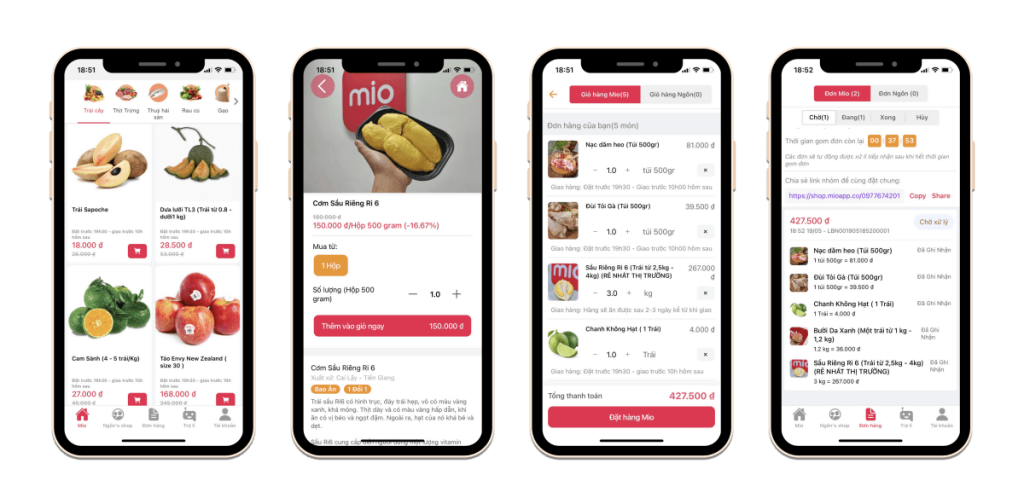
Logistics is key





Stay updated on the go with our mobile app.
Get latest insights with smoother, more personalized experience through TIA mobile app.











📅 Upcoming Events
22 October 2026
Payoneer x CSPN Summit 2026