 Nathaniel Fetalvero · · 5 min read
Vertex Ventures’ approach to investment: ‘We build champions’

Vertex Ventures Southeast Asia and India (VVSEAI) was the first institutional investor in Grab. When the VC firm made the investment in 2013, the startup’s co-founder Anthony Tan was running the then-fledgling business – known at the time as MyTeksi – out of a small, cramped room in Kuala Lumpur.
Since then, the ride-hailing firm has raised over US$10 billion in funding and is now ranked as one of the region’s most innovative companies. Grab is just one of the many established businesses that comprise VVSEAI’s portfolio, which includes startups like Patsnap, Nium, FirstCry, Asian Parents. 17 Media, HappyFresh, Warung Pintar, and Licious.
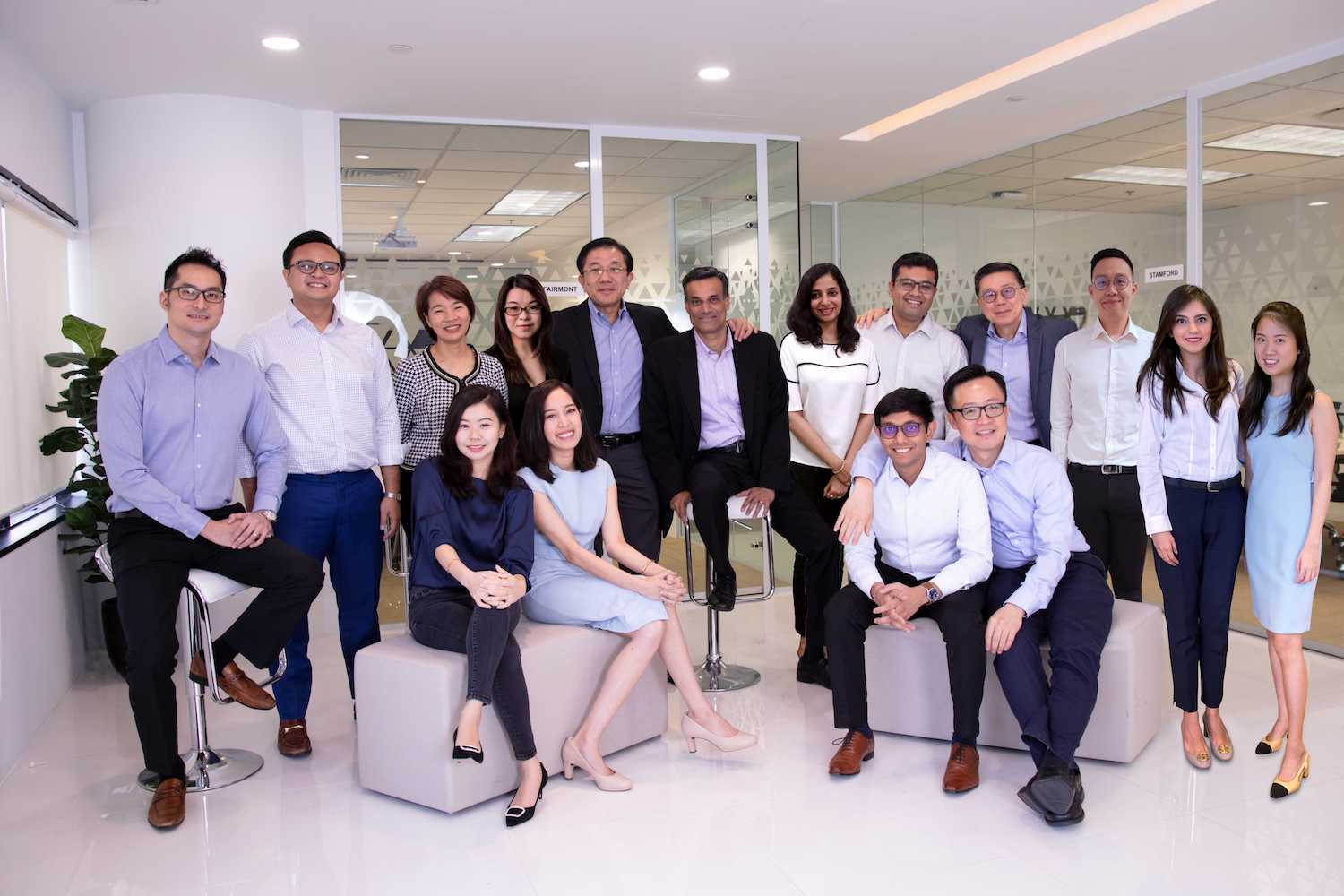
The VVSEAI team / Photo credit: Vertex Ventures Southeast Asia and India
“Our thesis is that we build champions – it’s very different from the thesis of most other VCs,” says Vertex managing partner Chua Joo Hock. “We’re not a prolific investor. We don’t make 30 or 40 deals a year, we’re more careful and discerning about our investments, and we spend more time working closely with our companies to help them grow and become champions.”
Identifying future champions
It’s not easy to spot what will one day become a startup unicorn. Looking at popular verticals doesn’t work for VCs like Vertex Ventures that eye early-stage startups because by the time a vertical is “hot,” it will already be too late to invest in it.
Instead, the firm’s approach starts with a lot of research to identify inefficiencies in the market where there’s potential for startups to provide scalable solutions.
“We look at these opportunities through a hypothesis-driven approach,” says executive director Dyota Marsudi.
Every now and then, there’ll be a company that stands out to solve all those problems, and that can be a very good investment opportunity.
The agriculture industry, for example, is huge and “super fragmented,” he says. So the next step then would be to validate the pain points in the sector that need to be solved.
In this case, Marsudi spent a lot of time meeting with farmers on the ground, understanding the challenges that they face, and finding out what kind of solutions might be able to solve their problems. The team then assessed the startups working in the sector to identify which ones had a long-term defensible solution. And as a result, the team was able to pinpoint and invest in a company like Tanihub.
“Based on those startups, we look into their capabilities and whether their solutions are actually applicable or relevant to the problems we’ve identified,” explains senior executive director Gary Khoeng. “Most of the time, the answer is no, so we move on. But every now and then, there’ll be a company that stands out to solve all those problems, and that can be a very good investment opportunity.”
Investing in people
While a lot of work goes into validating the business model of a potential investment, it’s equally important for VVSEAI to look at the people behind the business.
“I remember my first meeting with Gary [Khoeng] because he asked to meet our vendor partners,” says Anggara Pranaspati, co-founder of Indonesia-based packaging startup Tjetak, which VVSEAI invested in earlier this year. “It’s quite interesting because we were talking to other VCs as well, but none of them had directly asked to meet our vendor partners in person.”
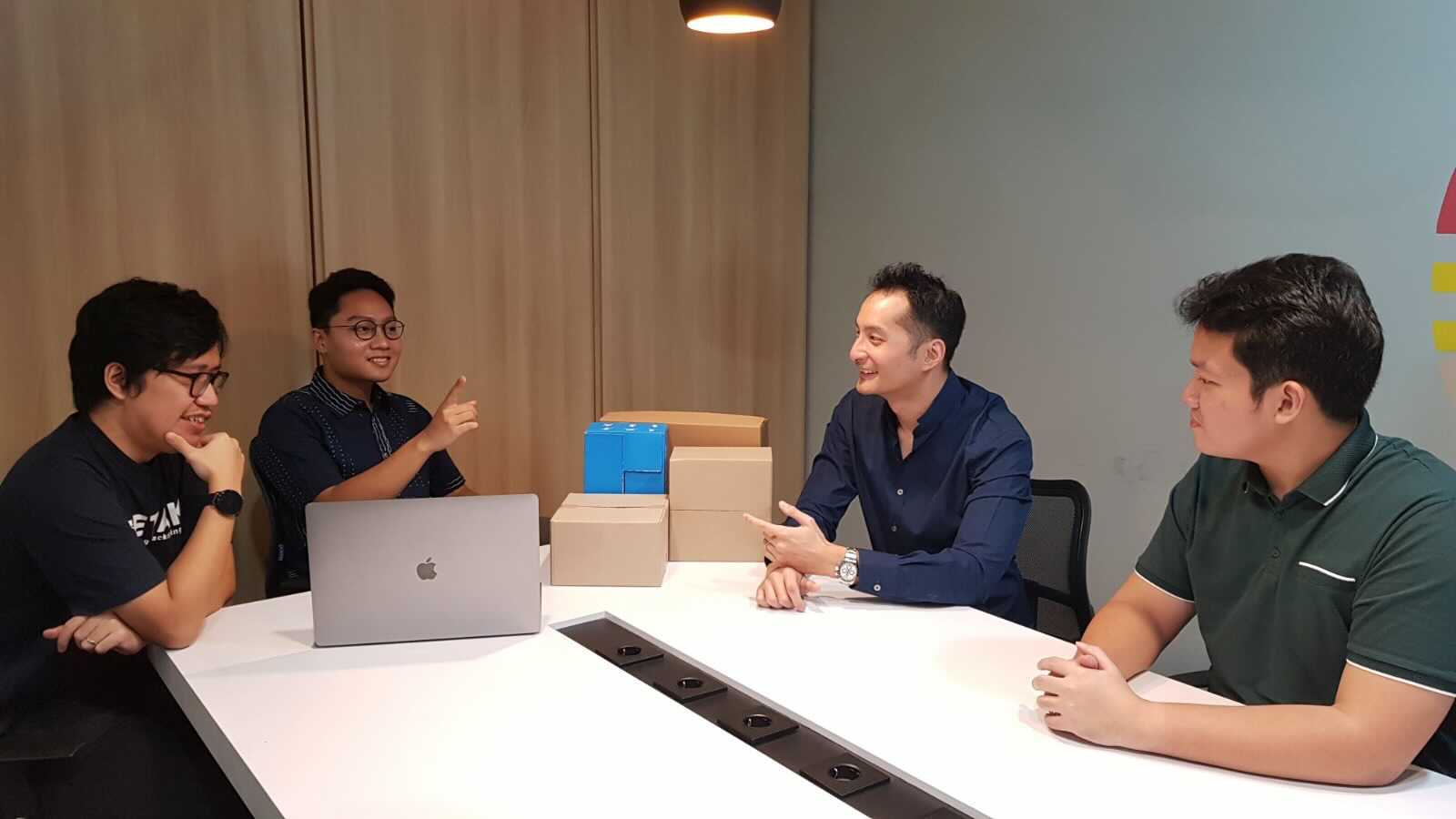
VVSEAI senior executive director Gary Khoeng (second from right) with Tjetak co-founders (L-R) Hasandi Patriawan, Anggara Pranaspati, and Raffisal Damanhuri / Photo credit: Vertex Ventures Southeast Asia and India
According to Khoeng, a good assurance for the firm is if the founder of a potential investment has experience in the sector they’re working in. For example, for those who are running a fintech business, having a financial background would be a good plus point.
“It’s also good if they’ve established another startup before,” he adds.
But on top of a proven track record, it’s important for founders that VVSEAI chooses to work with to have an open mind.
“I’ve come across individuals who have very strong minds: They think that they’re [always] right, and when you have a chat with them, you can see that they were not looking for any suggestions or advice because they already have their own preconceived notions,” says Khoeng.
He admits that most of the time, this is a good thing, as it shows conviction. However, an individual who’s open-minded and willing to learn is a lot easier for investors to work with. The ability for founders to filter suggestions or advice from many sources and use them for the startup’s advantage is imperative especially to navigate through tough times.
It’s also important that the VC has good chemistry with the founders that it works with.
“When you invest in a startup, it’s like you’re married to each other. You spend a lot of time together, so if you don’t like each other, then that’s going to be a problem,” says Khoeng.
It’s a follow-through game
For VVSEAI, the work doesn’t end after it has injected capital into a portfolio company. In fact, that’s just the beginning.
“We’re a business builder as opposed to just a pure financial investor,” says Chua.
Its work with Indonesia-based peer-to-peer lending startup Cicil, which the VC had invested in two years ago, may be telling.
“I have a call with the co-founders Leslie [Lim] and Edward [Widjonarko] every week or so, sometimes even more frequently if there’s a need,” Marsudi says.
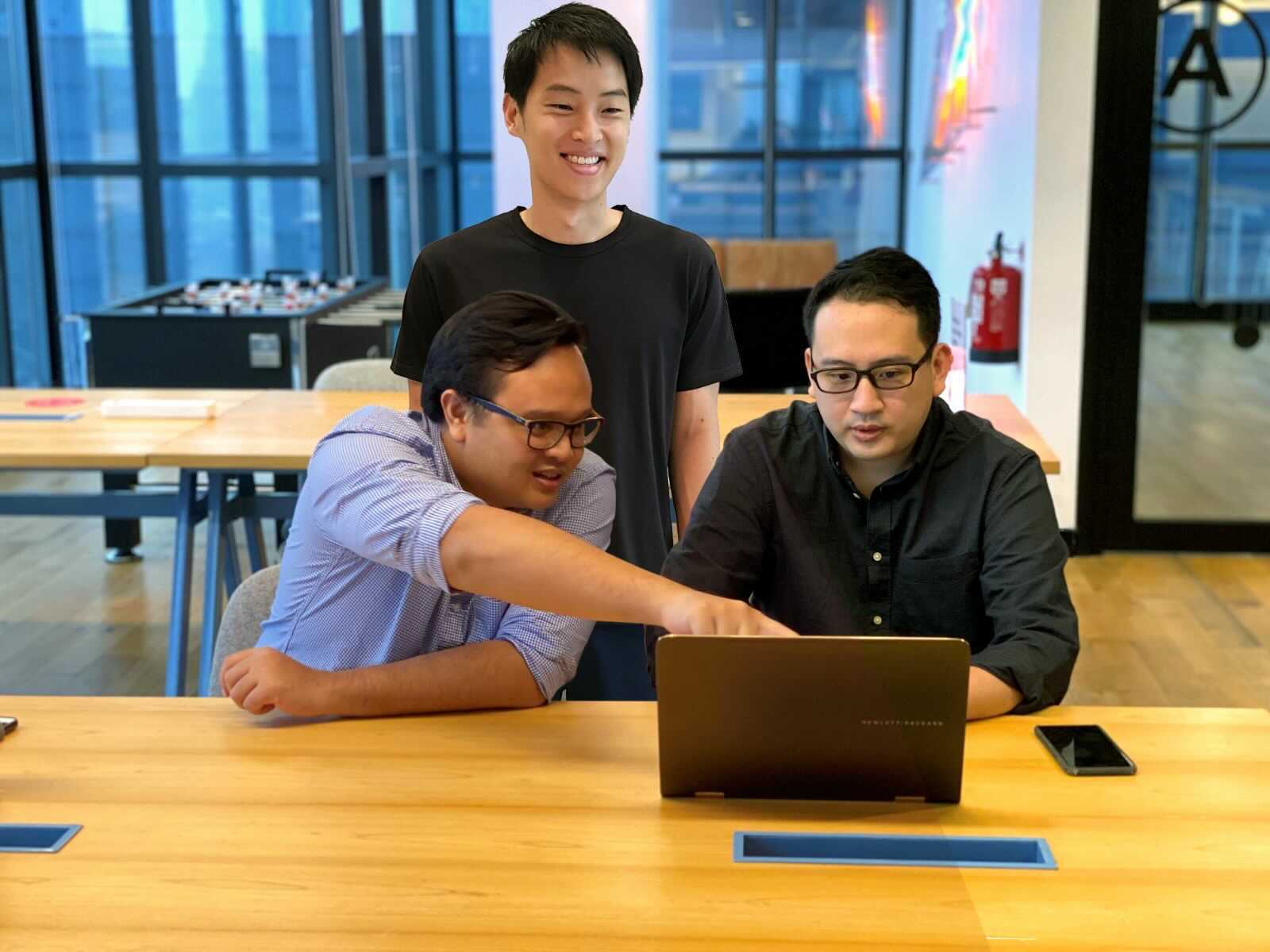
(L-R) VVSEAI executive director Dyota Marsudi with Cicil co-founders Leslie Lim and Edward Widkonarko / Photo credit: Vertex Ventures Southeast Asia and India
“They’ve always been very good in terms of being a sounding board, both in good times and in bad,” affirms Lim. “When Covid-19 hit earlier this year, they were one of the first few investors who organized a briefing for all their portfolio companies and made sure to touch base with us early on to help us navigate these tough times.”
Chua’s experience of the 2003 SARS crisis has allowed the managing partner to “draw a lot of parallels from what had happened then” and guide Cicil and the VC firm’s other portfolio companies to survive the economic crunch that followed the Covid-19 outbreak, Lim adds.
Meanwhile, Marsudi points out that VVSEAI’s work with Cicil goes beyond just helping the startup with its business strategies. The VC firm even helps the company manage its relationships with external stakeholders and provide guidance on operational matters.
“We also help them manage key stakeholders like potential investors, universities, and even regulators,” says Marsudi. “We want to help make sure they’re building a business that can last. It’s a follow-through game.”
Get in touch with Vertex Ventures Southeast Asia and India’s team on its website.
This content was produced by Tech in Asia Studios, which connects brands with Asia’s tech community. Learn more about partnering with Tech in Asia Studios.
Stay updated on the go with our mobile app.
Get latest insights with smoother, more personalized experience through TIA mobile app.
Recommended reads
 The six crucial components of a pitch deck
 Recession Run: Antler to double funding deals
 Y Combinator cuts cohort size by 40% amid market downturn
 Recession Run: 500 Global’s investment plan in SEA
 Founders are being hit hard by layoffs, too
 Recession Run: BAce Capital advises founders to chase value, not valuation
 Deep Dive: How Asian VCs are giving the recession a run for its money
 Singtel pours additional $100m in VC arm Innov8
 Thai startup media firm launches early-stage accelerator program
 3 things startups should do to start fundraising on the right foot





Editing by Winston Zhang, September Grace Mahino, and Jaclyn Teng
(And yes, we’re serious about ethics and transparency. More information here.)




📅 Upcoming Events
22 October 2026
Payoneer x CSPN Summit 2026