- Premium Content It takes our newsroom weeks - if not months - to investigate and produce stories for our premium content. You can’t find them anywhere else.
 Thu Huong Le · · 7 min read
Why Vietnam is buying into BNPL now, not later
As pioneers of buy now, pay later (BNPL) services struggle globally amid the recession, the model is the driving force behind an emerging fintech war in Vietnam.
The Vietnamese market has drawn not only foreign BNPL players such as Atome and Kredivo, but it has also given rise to local providers such as Fundiin and Ree-Pay, to name a few.

Low levels of credit card ownership and high consumer demand make Vietnam a fertile ground for BNPL providers. / Photo credit: Shutterstock
Tech companies like MoMo and Tiki have also jumped on the BNPL bandwagon. ZaloPay, one of the country’s most popular e-wallets, is set to announce a new partnership with Malaysia’s CIMB to launch a BNPL product in Vietnam next month.
Companies see BNPL’s huge potential to take off in Vietnam, where only about 4% of the population owns a credit card.
However, no opportunity comes without risks. Because BNPL is still nascent in the country, it’s likely to remain unregulated for some time. Meanwhile, reliable consumer data and awareness about BNPL are still lacking.
That said, banking institutions and consumer lending companies are not sitting on the sidelines.
An untapped, potentially lucrative market
Everyone knows the importance of tapping into the millennial and Gen Z segments – digital-savvy consumers who are often the first to line up for the latest gadgets or rare sneakers. The median age in Vietnam is 32, and Gen Z is expected to account for about a third of the country’s workforce by 2025.
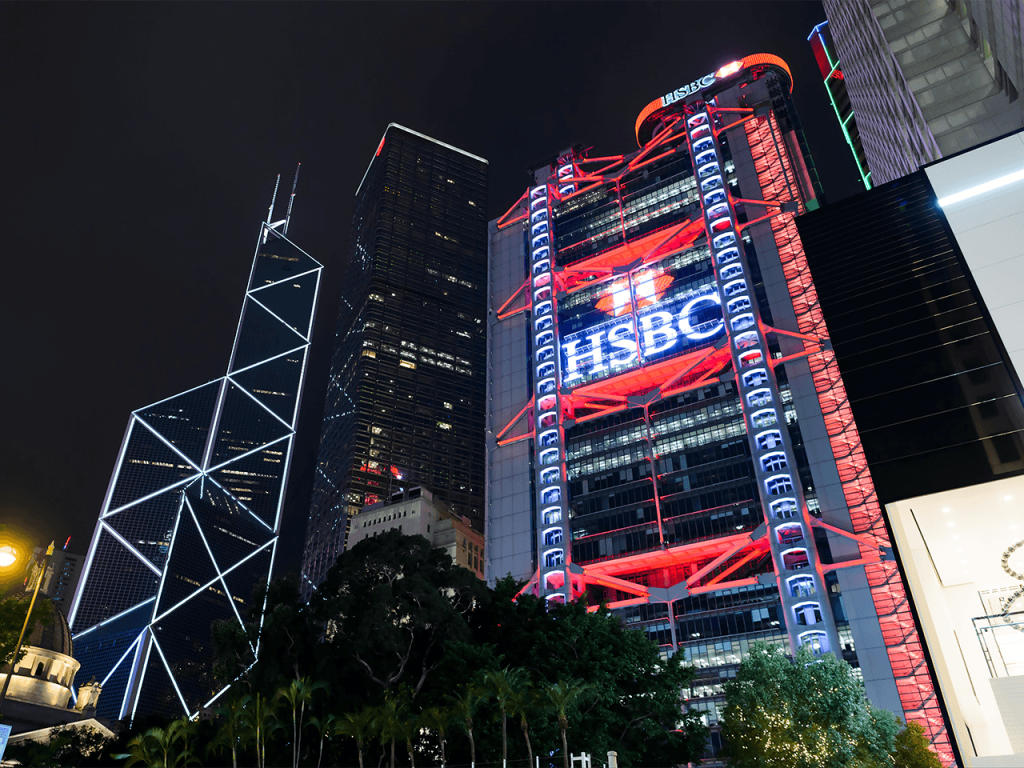
HSBC Vietnam is poised to take advantage of that demographic with LiveFree, which the bank says is one of the first BNPL-focused credit cards in the market.
The card, whose “sống không phí” tagline means “live with zero regrets” or “live with zero fees” in Vietnamese, was launched in April. LiveFree targets Vietnamese consumers aged 23 to 30 and doesn’t require them to pay annual fees for life.
“With low credit card ownership and high consumer demand, Vietnam is definitely a potential market for BNPL businesses,” says Huy Pham, a fintech expert from RMIT University in Ho Chi Minh City. “A large chunk of the population has no or limited access to credit at banks or consumer finance institutions while pawn shops often have high interest rates and poor customer service.”
The missing piece?
Rising competition in a gray area
Stay ahead in Asia’s tech landscape
This is premium content. Subscribe to read the full story.
BNPL players see a huge opportunity in the country, where consumption is rising and only 4% of the population own credit cards. But can they deliver?
We know this is not ideal. ⌛ Sign up in 20 seconds. Cancel anytime.
Our subscriber community includes professionals from these companies:





Stay updated on the go with our mobile app.
Get latest insights with smoother, more personalized experience through TIA mobile app.









📅 Upcoming Events
22 October 2026
Payoneer x CSPN Summit 2026