Paul Bischoff · · 6 min read
This autonomous shapeshifting boat could clean up the world’s oceans
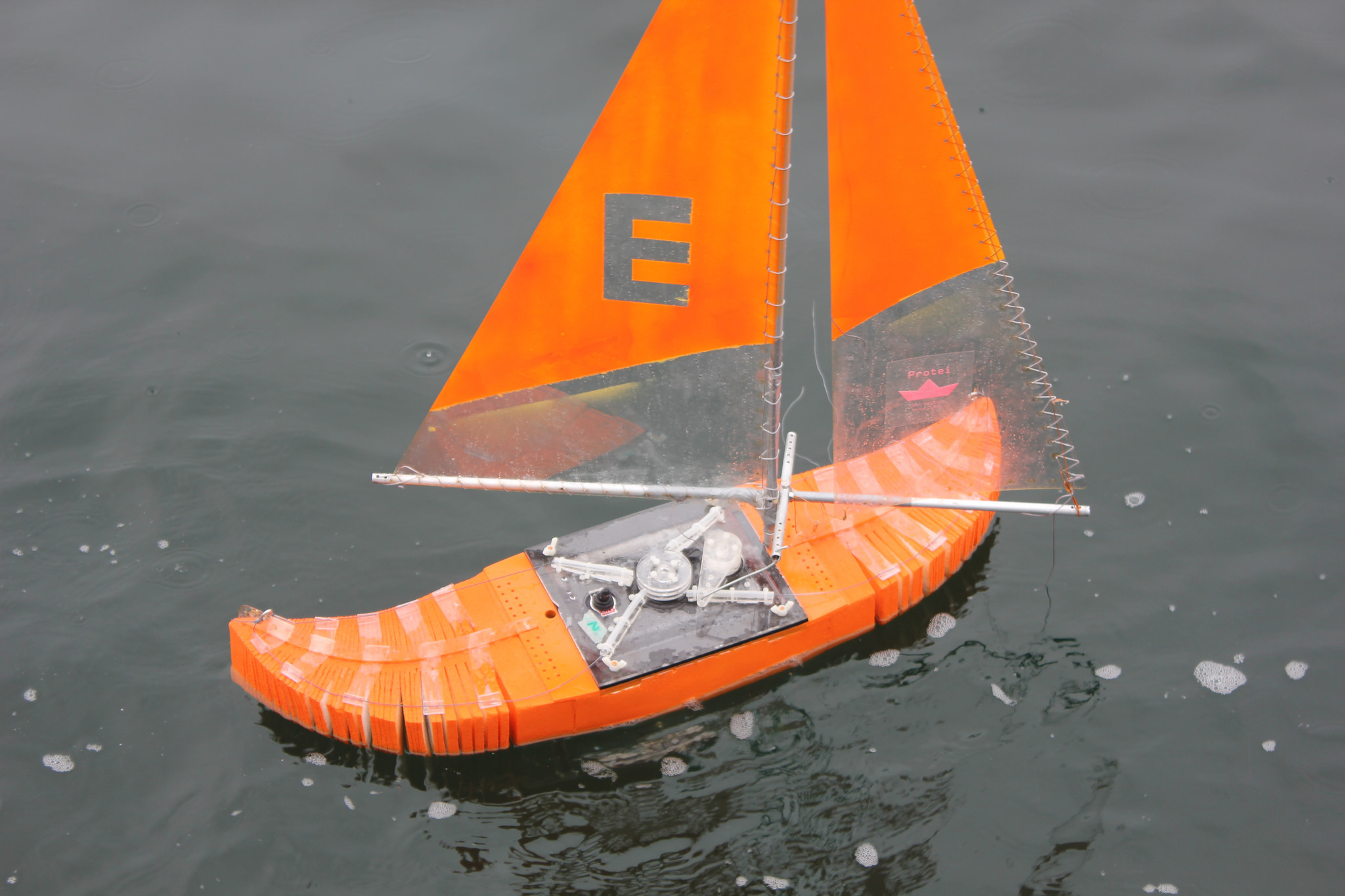
Cesar Harada’s number one priority is to help preserve the ocean’s natural environment. That’s what led the Japanese-French founder of Scoutbots to New Orleans in 2010. He wanted to create a more efficient boat to help clean up the BP Deepwater Horizon oil spill, one of the most catastrophic environmental disasters in modern history.
He started making small autonomous boats with two sails that could travel up current and upwind, allowing them to skim the oil off the top of the water more effectively and without the need for large fishing boats. From there, the experiment went through several phases: the rudder was added onto the front instead of the back; then two rudders. Eventually, the entire boat became a rudder that could bend left and right for greater maneuverability.
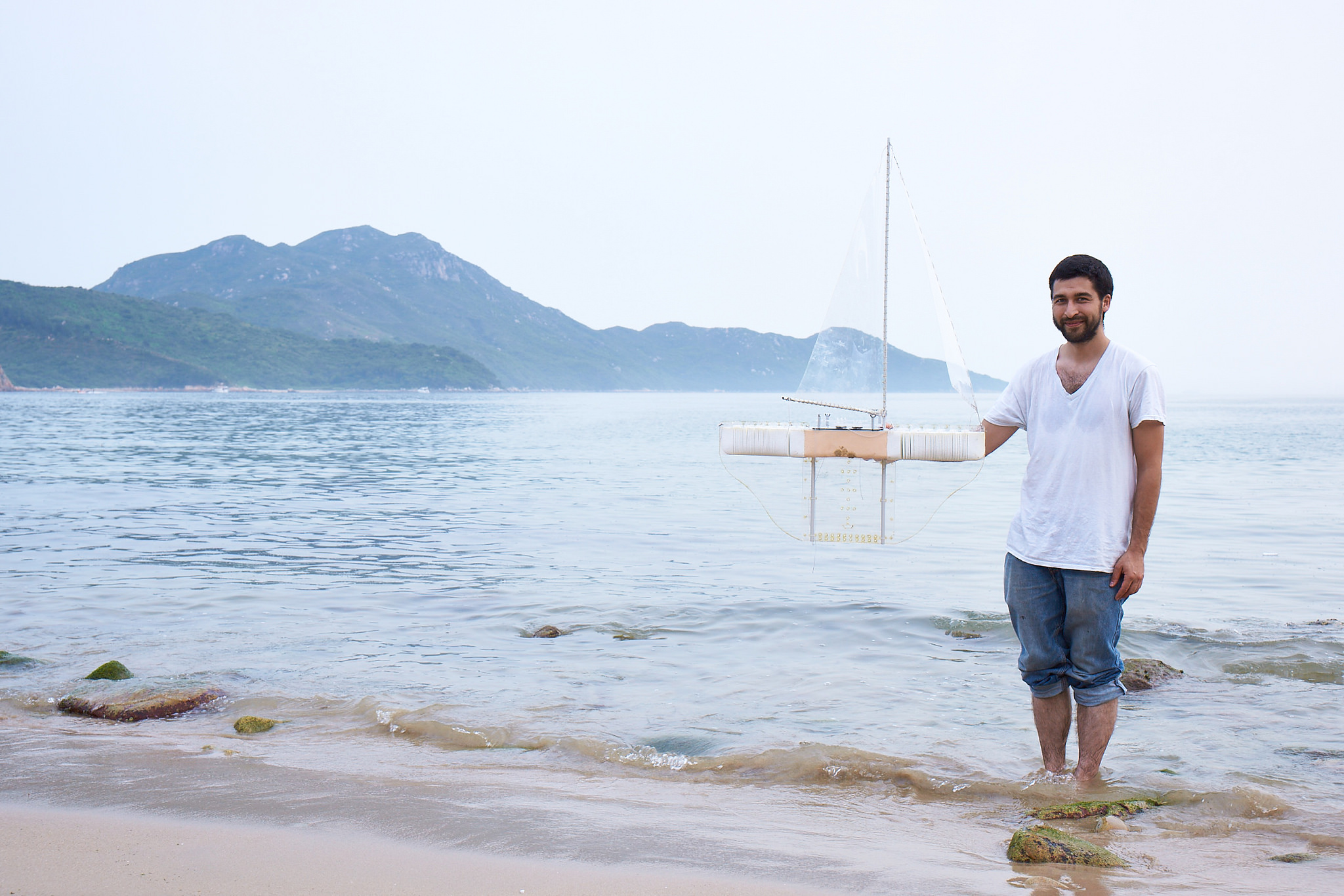
"The principle of the shapeshifting hull is superior in many respects to a regular hull," Harada says. Because it can bend the wind to its will, it requires no motor. It can also morph to fit the shape of the tide, so it doesn’t lose momentum by smacking into subsequent waves like a fixed hull.
Nearly five years later, Harada and his team are now based in Hong Kong and their beta product, called Protei, is just starting to sell. In those five years, the team raised US$30,000 on Kickstarter and moved to Norway where they worked on development. The company hit a financial low in 2012, but survived by winning the Gulfstream Navigator Award, worth US$100,000. Harada gave a TEDx talk that now has over 700,000 views and became a TED Senior Fellow. Scoutbots was then accepted into the Unreasonable IT incubator in San Francisco in 2013. Afterward, the startup moved to Hong Kong, and landed a seed round of funding from an as-yet undisclosed investor.
Hong Kong offers Scoutbots plenty of open water to experiment in as well as easy access to manufacturing hubs in China.
Future of shipbuilding
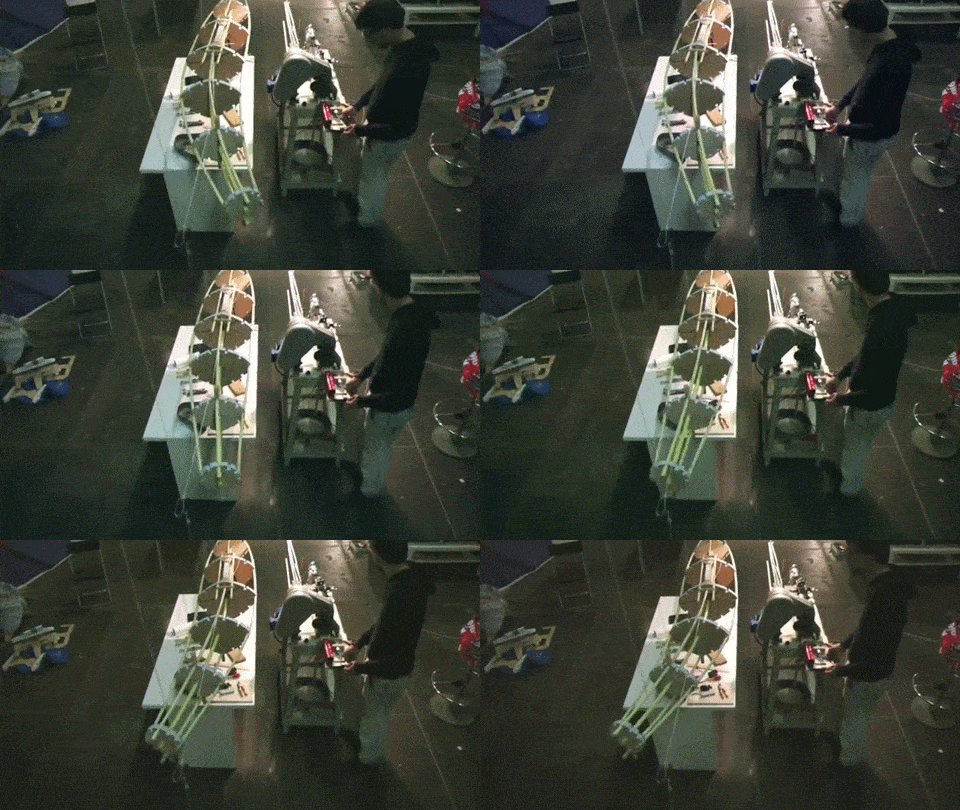
Much of the development for Protei took place in Norway, but the team eventually split, Harada says. Some members wanted to focus on academic and environmental research, but Harada saw greater potential in the business aspect.
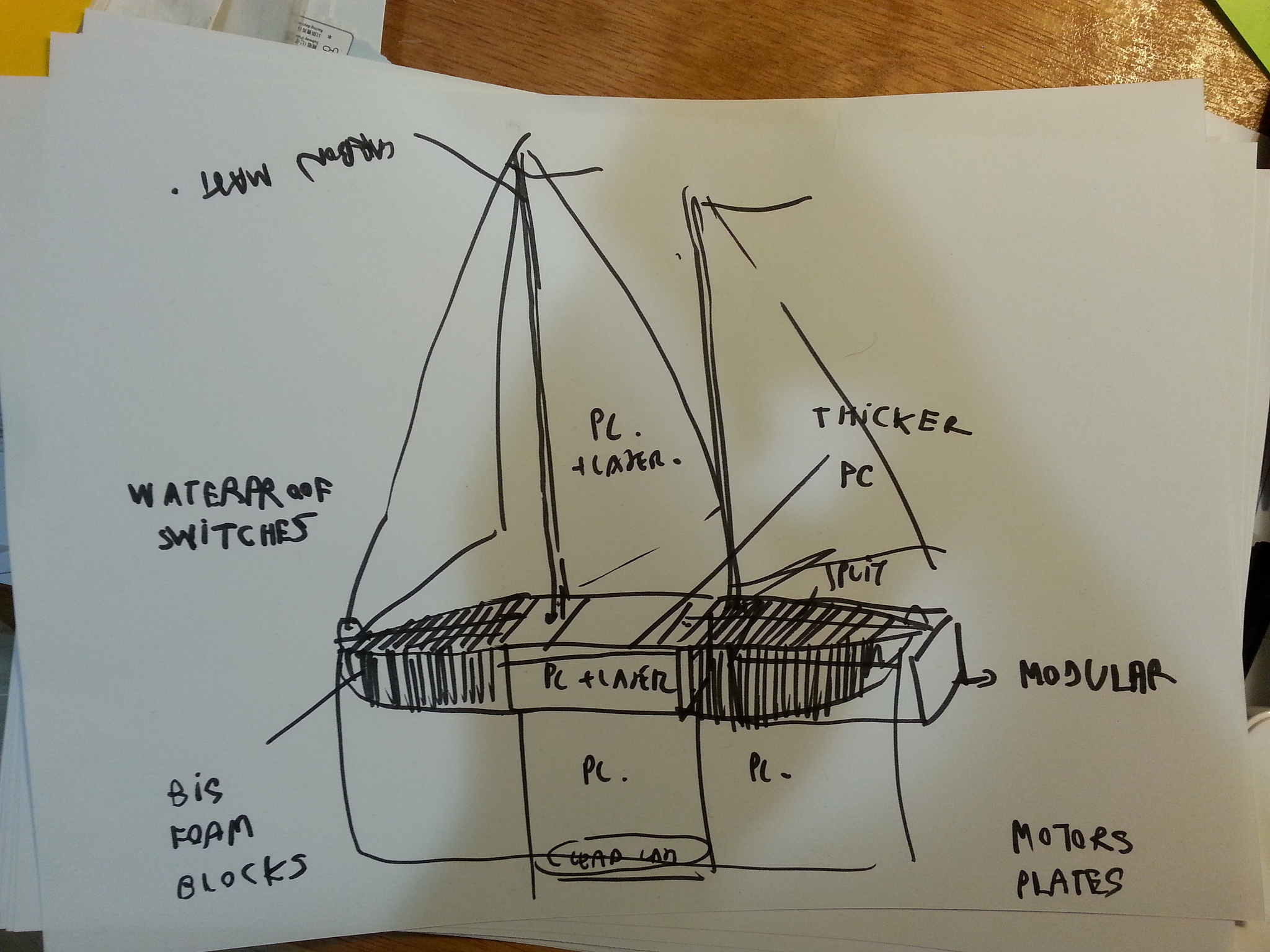
But Harada is not in this for the money. He believes creating a business model around his invention will help the technology grow faster and spread to more people, which will ultimately contribute to his main goal: protecting the environment. Now in its 11th generation, Protei is a completely open source project. So if you can’t get one from Scoutbots, you can make your own. Scoutbots has built up a small online community of makers who want to improve, expand, and experiment upon the current designs.
Join the fleet





Stay updated on the go with our mobile app.
Get latest insights with smoother, more personalized experience through TIA mobile app.