- Insights This article was written by a TIA community member. Insights pieces undergo the same rigorous editorial process that newsroom-produced articles have.
 Lionel Lee · · 4 min read
Asian VCs and startups still grappling with SVB fallout
It has been more than 60 days since the collapse of Silicon Valley Bank (SVB). The lender was based in the US, but the global venture capital, technology, and startup sectors continue to feel the reverberations from the shutdown.
While I’m not a limited partner (LP) of any US VC firm, I count several partners and early-stage company founders in the Bay Area as friends. To witness them in a state of financial panic, not of their making, has been heartbreaking.
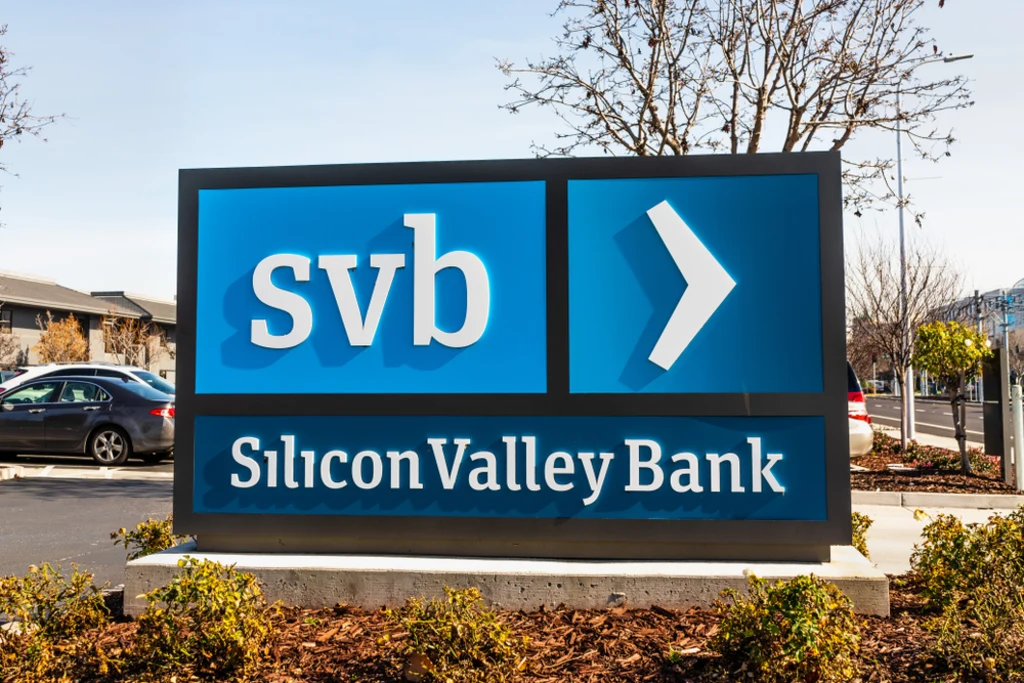
Photo credit: Shutterstock
The sudden cash crunch brought an unprecedented number of US VC firms and startups to their knees. With their money locked up at SVB, they were scrambling to get bridge loans from anywhere.
One question has been on my mind: Are Asian VC firms and startups safe from the fallout? I set out to answer this question by speaking to friends and colleagues in the sector.
Mixed bag
Some have speculated that SVB’s collapse could lead to a tightening of credit conditions for VCs, technology businesses, and startups globally. This could make it more difficult for Asian VC firms and technology businesses to access financing, thus slowing their growth.
In addition, the collapse of SVB could lead to a loss of confidence in the technology sector as a whole. This could mean a reduction in investment and funding for technology startups and businesses in Asia, where traditional banking dominates.
Vincent Ng is a partner at Atlantic-Pacific Capital, one of the largest global, privately owned placement and advisory firms dedicated to raising capital for alternative investments.
Having a hand in the credit funding for many tech funds and startups, Ng tells me that SVB’s collapse meant that “many are grappling with what replacements are available, even for the simplest of banking services, that can and are willing to support the startup sector.”
“Coming off the backdrop of 2022, which was one of the toughest fundraising environments for the sector, many are now facing substantial issues regarding their future sources of financing,” he adds.
This scenario is particularly true for many startups in India and China, which often access US funding and banking services through SVB. India’s state minister for technology, Rajeev Chandrasekhar, shared with Reuters that Indian startups had about US$1 billion deposited with SBV.
The bank was also a favorite for VCs and startups in China, where it had operated for over two decades and had a local joint venture with state-owned Shanghai Pudong Development Bank. These startups and venture funds are now scrabbling for alternatives, which are few and far between.
In China, local lenders such as China Merchants Bank and the Industrial & Commercial Bank of China are looking to fill the gap, but it remains to be seen if these traditional banks will be as friendly to venture capital as SVB was.
In other Asian markets, the banking push will be toward well-established global and regional players who are not known to be supportive of the venture ecosystem. SVB’s demise will also tighten the regulatory environment, making it even tougher for VCs and startups to get funding.
Important lesson





Stay updated on the go with our mobile app.
Get latest insights with smoother, more personalized experience through TIA mobile app.