Tracy Qu · · 5 min read
I took a class on how to get rich on Douyin, and learned that originality is overrated
Can virality be taught?
The more than 20 people gathered in a room in Shenzhen one recent weekend certainly think so. Some have forked out as much as 9,800 yuan (US$1,400) for a weekend crash course on how to create short, funny videos that will get lots of views on Douyin, Bytedance’s Chinese version of its short-video app TikTok. Lots of clicks lead to potential advertising endorsements, or so the equation goes.
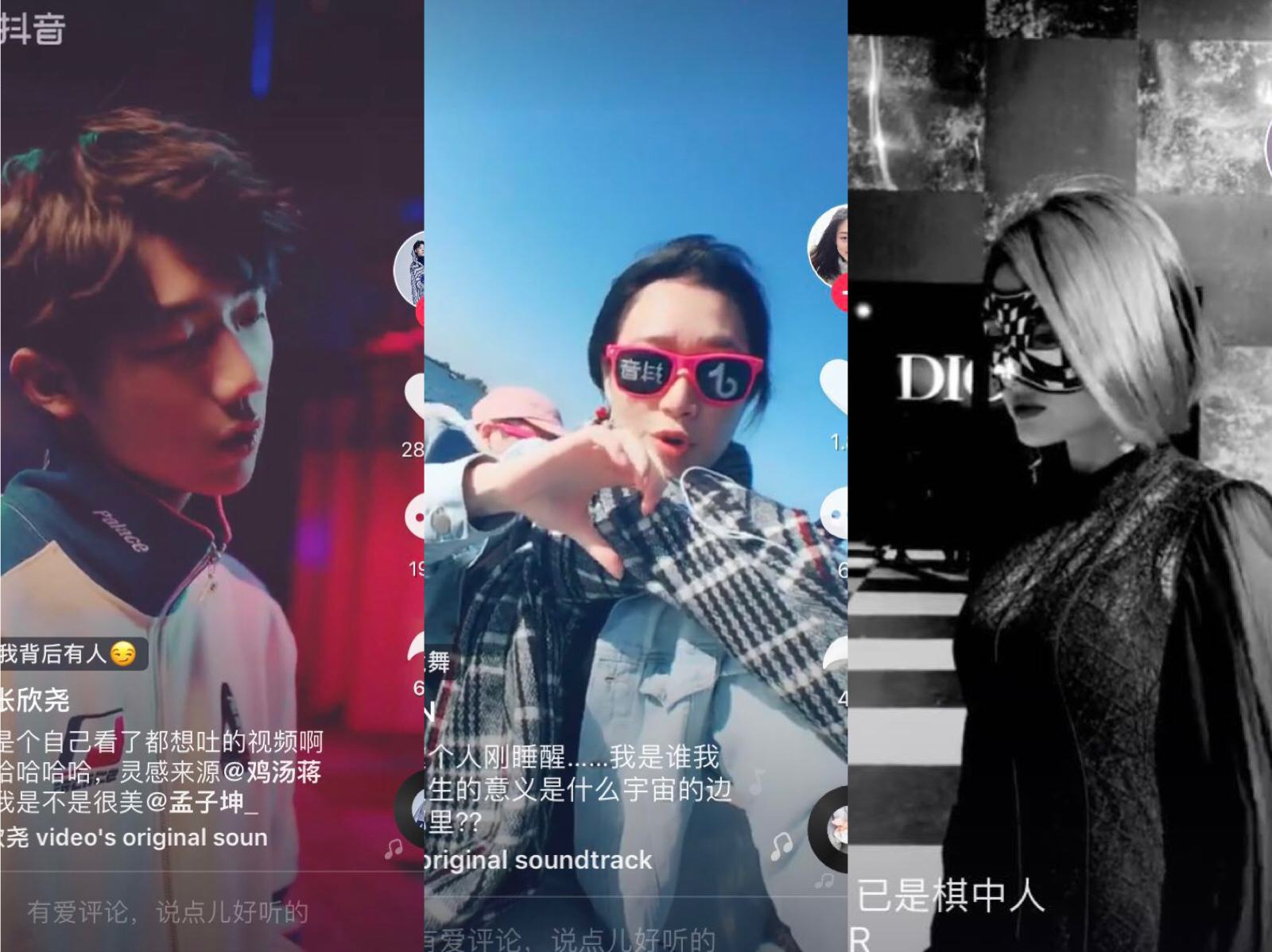
Douyin
Zhang Bo, a moon-faced man in his late 30s, is the man who promises to unlock the secrets of creating pandemic videos. Perched on a white table in front of the class, Zhang regaled us with how one client made 70 million yuan (US$10.2 million) in just three days following his methods, including interacting with influencers every 10 minutes while watching their livestreams. Another raked in more than 100,000 yuan (US$14,500) in a single day. I could not independently verify those claims, but my classmates seemed impressed, scribbling down their notes.
It is no wonder they want to succeed on Douyin – an account with 3 million to 5 million followers can command between 50,000 yuan (US$7,300) to 100,000 yuan for a short-video advertisement on the app, according to Joey Wang, co-founder and CEO of Beijing-based company Chenjin Culture. “In our company, influencers get 30% to 40% [of advertising income],” Wang said.
Douyin is the hottest short-video app in China, boasting 400 million daily active users in January. Tencent-backed Kuaishou, the country’s second-largest short-video platform, had 200 million daily active users as of May 2019, according to its website. Together, the top two apps account for 54.2% of China’s short-video app market, outpacing competitors such as Xigua and Huoshan which have a combined 22% of market share, according to Qianzhan Industry Research Institute.
Market leader Douyin’s popularity has translated to advertising income for some of its content creators. One of China’s top influencers, Li Jiaqi, reportedly earns more than 10 million yuan (US$1.5 million) a year by promoting beauty products on an array of social media platforms including Douyin, on which he has 37.6 million followers.
But competition to stand out on the app is fierce, so a number of workshops promising to give participants an edge have sprung up.
That weekend in Shenzhen, I was attending one such workshop by Guyizouhong, whose name means “getting famous on purpose” in Chinese.
The course fees were not cheap: the 9,800 yuan some participants paid to attend the workshop was more than the 2,000 to 5,000 yuan (US$290 to US$725) the middle-income group in China makes monthly, according to the National Bureau of Statistics’ official definition.
Li Xilin, a 40-year-old founder of an educational company, told me it was curiosity over the 70 million yuan figure advertised by Guyizouhong that motivated him to shell out the money even though he was “a little suspicious” about the organizers’ claims. His company has more than 900,000 followers on Douyin, but he said it has not found a way to monetize its content.
Some participants traveled quite a great distance to be there: I met one mother of two who had taken a nine-hour train from Jiangxi Province to join the class, while another woman flew more than three hours from Shanghai.
Overseas, social media influencers have achieved a considerable amount of fame. Teenager Noen Eubanks, best known for his anime-inspired aesthetic and lip-sync videos on TikTok, was recently chosen as the new face of French luxury brand Celine, while eight-year-old Ryan Kaji, whose YouTube channel has 23.3 million followers, became the top earner on the video-sharing platform last year with record earnings of US$26 million.
So I was surprised to find that most of my classmates did not seem to care about being famous. They wanted more followers, but were more concerned about how to translate these to income rather than becoming online celebrities.





Stay updated on the go with our mobile app.
Get latest insights with smoother, more personalized experience through TIA mobile app.