- Premium Content It takes our newsroom weeks - if not months - to investigate and produce stories for our premium content. You can’t find them anywhere else.
 Melissa Goh · · 9 min read
The untold truth of tourism’s post-lockdown ‘recovery’
Unless you had a valid reason to travel for work in the past year, you likely had to swap out that beach vacation for a staycation or a trip to the local zoo.
Amid sweeping border restrictions all over the world, local tourism has become a saving grace for hotel and tour operators alike. In fact, the spike in domestic movement and activities has taken off to a degree that Indonesian unicorn Traveloka recently declared its core travel business as profitable.

Crowds at Universal Studios Singapore pre-pandemic / Photo credit: ©Saiko3p/123RF
Several industry observers, however, have doubts about the extent of the tourism and hospitality sector’s recovery so far. While inter-city movement has resumed, spending by locals doesn’t make up for what international tourists are willing to shell out in dollar terms.
Among local places of interest, the comeback has been far from equal. Theme parks and other large attractions that are highly dependent on tourist numbers have struggled to make up for lost footfall, while smaller operators offering niche experiences have been doing just fine.
Compared to their traditional counterparts, online travel agencies (OTAs) and marketplaces are arguably more well-placed to navigate the pandemic, with many branching out to ancillary financial or software services. The payoff, however, will take some time.
Thriving in the pandemic
After laying off 10% of its staff, Traveloka claims that its core travel business returned to profitability in late 2020, though it has provided few other details of what that entails.
“We have seen consistent recovery across all our markets since July 2020, supported by increased consumer confidence in travel, particularly domestically, and a spike in local staycations,” Reza Juniarshah, Traveloka’s head of corporate communications, tells Tech in Asia. Transaction volumes, however, remain at around 50% of pre-pandemic levels.
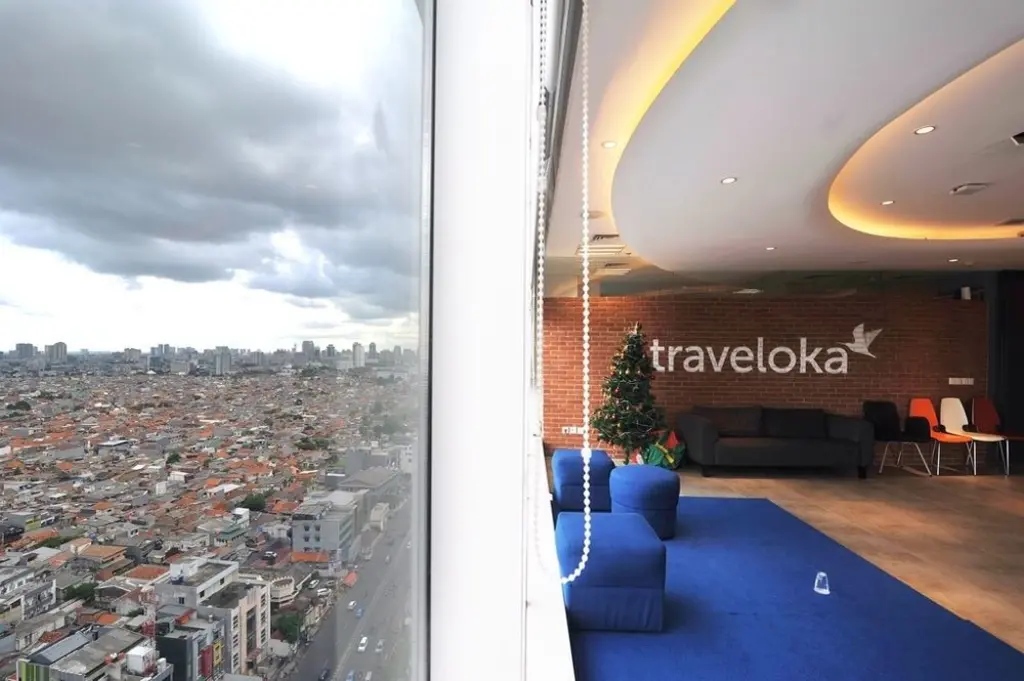
Photo credit: Traveloka.
The Jakarta-based startup says it will continue to invest heavily in fintech moving forward. It is expanding its “buy now, pay later” services, which is currently available in Indonesia, to Thailand and Vietnam.
See more: Southeast Asia’s biggest buy now, pay later players
“We are very bullish that coming out of Covid, services that complement travel, like fintech, will be very important to help customers to continue to afford travel,” CEO Ferry Unardi told Bloomberg in February. That’s especially after they have been hit by what was probably the biggest economic recession in recent history, he added.
Some numbers released by Asia Partners seem to back up this rosy picture. According to a recent report released by the venture capital firm, hotel occupancy for Singapore-headquartered hotel manager RedDoorz in cities like Jakarta had rebounded to 70% of pre-pandemic levels by September after hitting rock bottom in April.
Leaning on domestic tourism
Temporary relief
Revenge travel
Stay ahead in Asia’s tech landscape
This is premium content. Subscribe to read the full story.
Travel firms are selling a story of recovery. But have they really bounced back?
We know this is not ideal. ⌛ Sign up in 20 seconds. Cancel anytime.
Our subscriber community includes professionals from these companies:





Stay updated on the go with our mobile app.
Get latest insights with smoother, more personalized experience through TIA mobile app.







📅 Upcoming Events
22 October 2026
Payoneer x CSPN Summit 2026