Elaine Ramirez · · 11 min read
After getting forced out of South Korea, Uber prepares to fight back
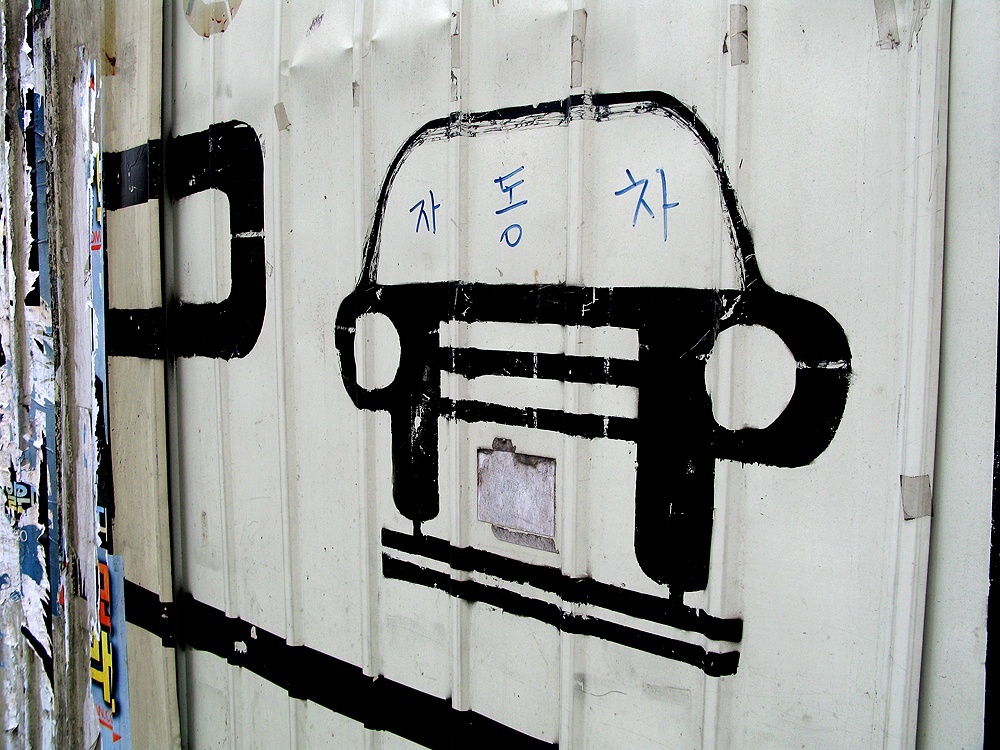
Parking. Photo credit: Anna Lee.
In cities around the world, the story is familiar – the aggressive Silicon Valley startup Uber wages a war against the taxi drivers, bursts into the market and steamrolls anyone or anything that gets in its way.
While it sometimes gains enough traction to win over the market, the strategy fell hard and flat in South Korea. The government, taxi unions, and a number of citizens railed against the foreign company for disregarding the country’s laws, while the startup wailed over how “behind the times” Korea risked becoming.
The US-based company rolled out UberBlack in mid-2013, followed by UberX and UberTaxi just over a year later. But UberBlack was limited by unusual regulations in South Korea that limit any paid chauffeur service to only certain groups of people, such as foreigners or people with special needs. That seriously limited its scope.

Uber launched in South Korea in June 2013, giving a ride to footballer Koo Ja-cheol.
UberTaxi had a rough ride too as it was overtaken by a homegrown rival app. Meanwhile, UberX proved to be explosively controversial, just as it and the comparable UberPop has in cities the world over.
After months of legal rough-and-tumble with the government and taxi unions, Uber slinked away from the limelight this spring by closing down its controversial UberX service, in which ordinary people shuttle around paying passengers. That meant Uber had all but shuttered in Korea.
As the dust settled, Uber began quietly rebuilding over the summer, partnering with local companies and turning former government enemies into friends. Last month, it announced a fresh, new push to relaunch its high-end chauffeur-hailing service UberBlack by year-end, this time with the government on board.
But the market is not the way Uber left it. It must not only battle the goliath messaging app KakaoTalk with the KakaoTaxi service that launched in Uber’s wake, but also attempt to win over Seoul’s jilted taxi drivers.
Rise and fall
From the beginning, Uber knowingly launched its service in Korea illegally, one source close to the company claims.
“Uber basically came in with a set strategy that involved them operating illegally,” the source told Tech in Asia.

A street in Seoul. Photo credit: HB Kang.
Local copycats
Olive branch
David, not Goliath





Stay updated on the go with our mobile app.
Get latest insights with smoother, more personalized experience through TIA mobile app.