- Insights This article was written by a TIA community member. Insights pieces undergo the same rigorous editorial process that newsroom-produced articles have.
 Anum Yoon · · 4 min read
China’s $1.5b plan to launch passenger balloons into space
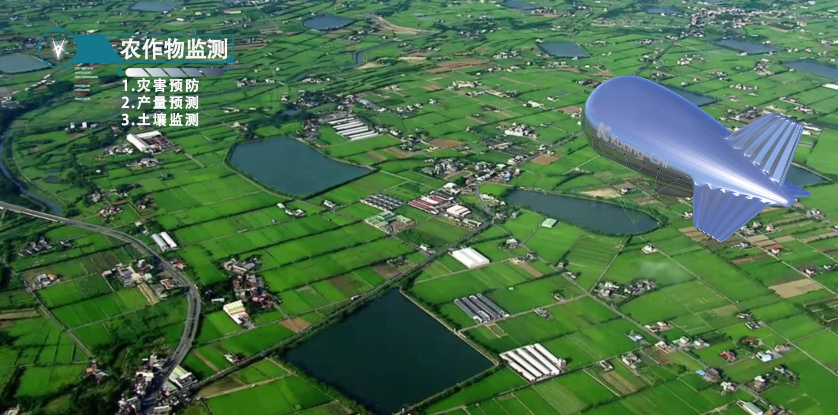
Photo credit: KuangChi Group
If you ever dreamed of going to space, you probably imagined you’d get there by a rocket. However, a Chinese company is planning to bring tourists to space in a much less conventional mode of transport — a giant helium balloon.
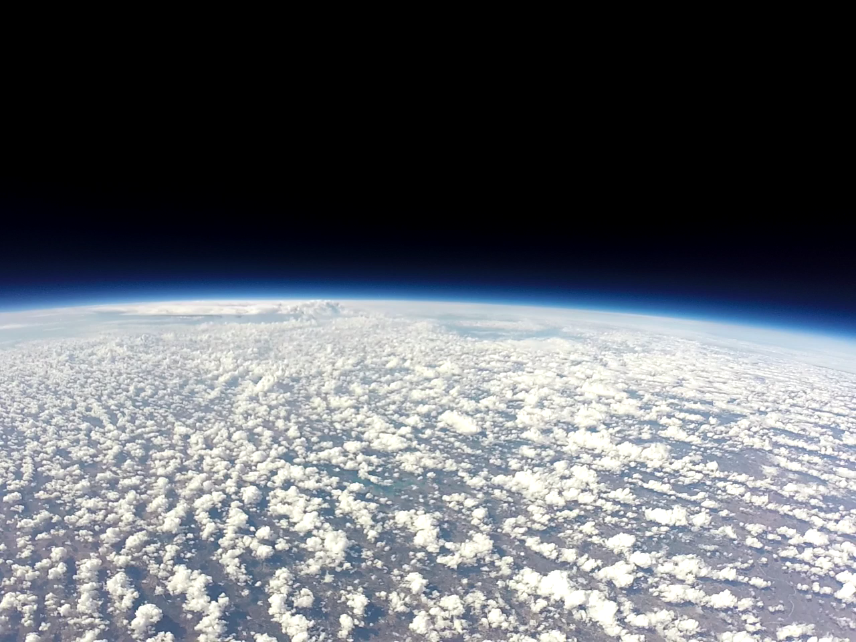
It sounds a little outlandish, but the KuangChi Group is completely serious about turning this idea into a tourist attraction. Technically speaking, the balloon, which would carry a capsule containing the passengers, would only go as high as “near space.” While that’s still within the Earth’s orbit, the balloon would be 15 miles high.
Commercial space flights have long been a dream and, with one expensive exception, have yet to become a reality.
This is an ambitious plan that would offer a once-in-a-lifetime experience for less than the price of a full-blown space trip. That’s assuming, of course, everything goes according to plan. Who knows if that will happen?
Commercial space flights have long been a dream and, with one expensive exception, have yet to become a reality. Still, the commercial space race has been building up for years now, with Virgin Galactic, SpaceX, and other companies hoping to make space travel affordable to the masses.
It’s possible that this plan, in China, could beat the others to the punch. The high-altitude balloon ride is planned to be the centerpiece of a US$1.50 billion space-themed amusement park in Hangzhou. The park, named “Future Valley,” is expected to open in 2017.
The details
The KuangChi Group’s website details what the near-space flight would look like. The capsule is lifted by a helium balloon and cruises at that altitude, for two to three hours, until the helium is gradually released and the descent begins.
This is similar to the technology behind the Red Bull Stratos. This high-altitude helium balloon made headlines back in 2012 when skydiver, Felix Baumgartner, took a capsule 24 miles above the Earth’s surface, jumped off, and managed to land safely.
The KuangChi Group’s plans are, fortunately, far less extreme and promise a gentle landing back on Earth. There’s no word on the price or how far along the technology is. However, there’s no doubt it would be cheaper than some of the other space alternatives out there.
As it stands, a journey to space is out of reach for all but the wealthiest of people.
How to get to space
If you want to get to space right now, you better be willing to pay for it. Presently, you can pay Russia US$20 million for the chance to become a cosmonaut. That happened for the first time in 2001 when a NASA engineer-turned-businessman paid to travel to the International Space Station. Since that pioneering trip, seven more people have taken the journey.
Ever since the onset of that fateful trip, other companies have joined the commercial space race. Probably the best known is Virgin Galactic. Planning has been ongoing for years and 700 people have signed up at a cost of US$250,000 per ticket. After a fatal test crash 2014, test flights were grounded. However, tests are expected to soon resume.
Can it really happen?





Stay updated on the go with our mobile app.
Get latest insights with smoother, more personalized experience through TIA mobile app.